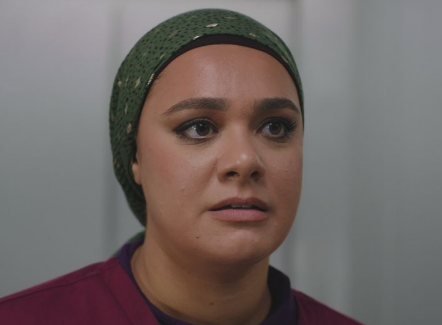
Few places in television are more emotionally volatile than the emergency department, where doctors, nurses, paramedics and patients collide under extraordinary pressure. But while medical emergencies can bring strangers together, family feuds have repeatedly threatened to tear people apart in some of the most dramatic Casualty storylines. Over the years, the ED has witnessed arguments between parents and children, bitter rivalries between siblings, broken relationships and devastating secrets that have spilled directly into the workplace. These conflicts become particularly powerful because the characters cannot simply walk away from one another. They may have to work the same shift, treat the same patients and make life-or-death decisions while carrying deeply personal anger beneath the surface. A family disagreement that might be manageable elsewhere can become explosive inside an emergency department where emotions are already running high. One of the most compelling aspects of these stories is the way professional responsibilities collide with personal loyalties. A doctor may be expected to remain objective while treating someone connected to a bitter family dispute. A nurse may have to comfort a relative moments after an argument. A colleague could suddenly discover that the person standing beside them in resus is someone they have spent years resenting. The tension becomes even greater when family members disagree about medical decisions. Parents may demand one course of treatment while doctors recommend another, or relatives may blame hospital staff for an outcome nobody could control. In those moments, grief and fear can quickly turn into anger. Casualty has always understood that people rarely behave perfectly when they are frightened, and family feuds allow the series to explore that reality in intense ways. Sometimes an argument begins with something small but grows because years of resentment have been waiting for an opportunity to surface. A forgotten promise, an old betrayal or a secret relationship can suddenly become relevant when a family member arrives at the ED in crisis. The emergency department then becomes more than a place where medical problems are treated. It becomes the setting where unresolved family history finally demands attention. Characters who have avoided difficult conversations for years can suddenly find themselves forced to confront one another, often while surrounded by colleagues and patients. That combination of professional pressure and personal pain creates the perfect environment for dramatic storytelling. The biggest family feuds in Casualty have never simply been about who is right or wrong. They have been about love, loyalty, disappointment and the devastating consequences of people refusing to communicate until it is almost too late.
Sibling rivalries can be particularly destructive because they often contain decades of history. Brothers and sisters may know exactly which words will hurt each other, making an argument far more dangerous than an ordinary workplace disagreement. In the ED, those old rivalries can become impossible to hide. One sibling may believe they sacrificed everything for the family while another feels ignored or blamed for problems they did not create. Both can carry completely different memories of the same childhood, and when those memories collide, neither person may be willing to compromise. The situation becomes even more complicated when siblings work in the same medical environment. A disagreement at home cannot simply remain at home because the two characters have to continue working together. They may be expected to trust each other during emergencies even when they cannot stand being in the same room. That creates some of the most uncomfortable scenes imaginable. A tense argument in the staff area can suddenly be interrupted by an emergency call, forcing both characters to put their differences aside and save a patient’s life. For a few minutes, professional instinct may overcome personal anger. But once the crisis ends, the resentment can return. That cycle can become emotionally exhausting for everyone around them. Parents can create another kind of conflict, particularly when they become involved in the careers or relationships of adult children. A parent may believe they know what is best, while the son or daughter desperately wants to make independent choices. In a hospital environment, that disagreement can become particularly painful if the parent is also a senior figure. Professional authority can easily become confused with parental authority, leaving the younger character feeling that they can never escape the role assigned to them within the family. The parent may insist that criticism is intended to protect them, while the child hears only judgment. Eventually, one confrontation can force both sides to admit that the real argument began years earlier. The ED can also become the setting for family members to reveal secrets they have kept hidden for too long. A patient arriving unexpectedly may expose a relationship, a financial problem or a past decision that someone desperately wanted to forget. Suddenly, the entire family dynamic changes. The most dramatic moments often occur when a character discovers that the person they trusted most has been hiding something important. Betrayal can be more painful than anger because it forces characters to question whether their entire relationship was based on a lie. In Casualty, such revelations can have immediate consequences because there is rarely time to process emotions privately. A secret can emerge in one scene and affect a medical decision moments later, placing even more pressure on everyone involved.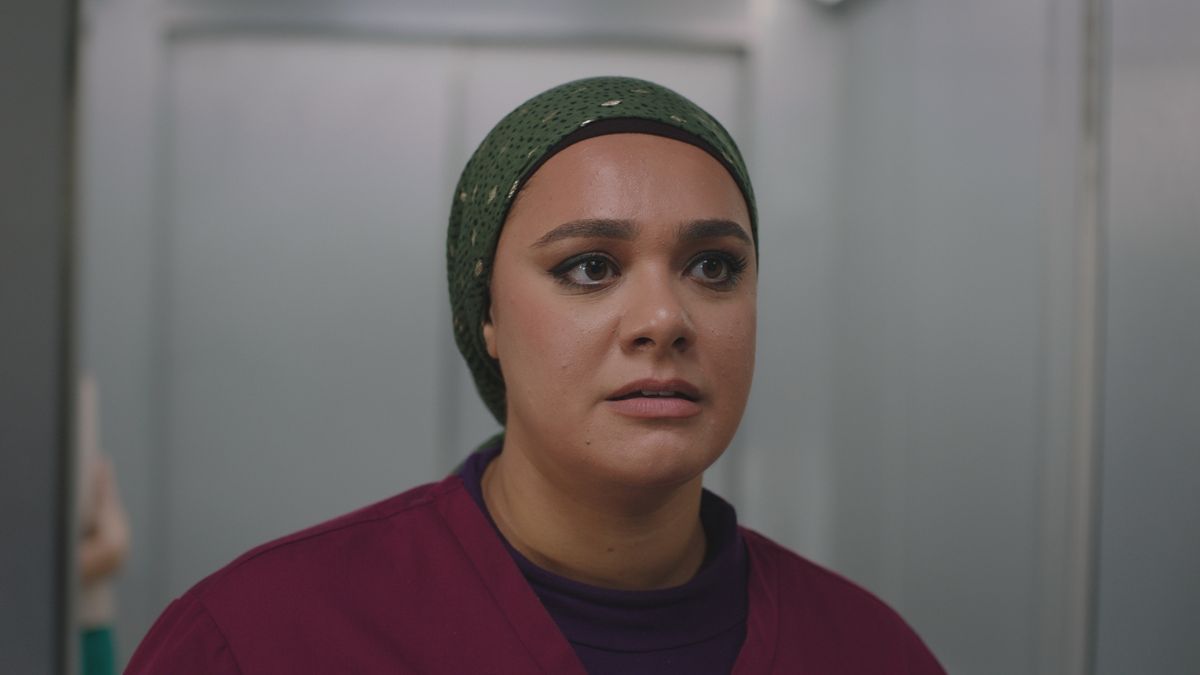
Romantic relationships can also trigger family feuds that spread through the ED. A new partner may be rejected by relatives, creating tension that becomes impossible to avoid when everyone works or socializes in the same environment. A character might believe their family is trying to sabotage their happiness, while relatives could insist they are protecting them from someone they consider dangerous. Neither side may be completely wrong. That moral uncertainty is what makes these conflicts so compelling. The person at the center of the dispute can feel trapped between the family they have known forever and the relationship they are trying to build. The situation becomes even more painful when one family member deliberately interferes. A warning may be issued, a secret may be revealed or a private conversation could be manipulated to create mistrust. Once suspicion enters a relationship, even innocent actions can appear threatening. The ED then becomes filled with awkward encounters, unfinished conversations and characters desperately trying to keep their professional lives separate from personal chaos. Another powerful source of family conflict comes when relatives disagree about responsibility after a medical emergency. If a loved one dies or suffers a serious injury, family members may search for someone to blame because accepting that tragedy can sometimes feel impossible. Doctors and nurses can become targets of anger even when they have done everything possible. Within the family, blame can become even more personal. One relative may accuse another of making the wrong decision, failing to arrive in time or ignoring warning signs. The argument can destroy relationships that were already fragile. Characters may say things in moments of grief that they later desperately regret. Yet Casualty often shows that apologies do not automatically repair emotional damage. Some words cannot simply be forgotten. Trust must be rebuilt slowly, and sometimes it cannot be rebuilt at all. The most heartbreaking family feuds can therefore continue long after the original crisis has ended. A character might return to work believing the situation is over, only to discover that their relationship with a loved one has permanently changed. The professional environment can make that even harder because colleagues may know exactly what happened. Friends at work may be forced to choose whether to offer support or remain neutral. A manager might have to intervene if personal disagreements begin affecting patient care. What began as a private family dispute can therefore become an issue for the entire department. The stakes become enormous when someone’s ability to work effectively is affected by emotions outside the hospital. A character who is normally calm and reliable may suddenly make mistakes because they are distracted by a family crisis. Another may become obsessed with proving that they were right, allowing resentment to consume their professional judgment. These stories demonstrate how difficult it can be to separate personal pain from professional responsibility.
Some of the most memorable family conflicts in Casualty arise when characters finally reach their breaking point. After months or years of tension, one event can push them beyond their ability to remain silent. A confrontation may erupt in the middle of the hospital, with accusations that reveal just how much resentment has accumulated. A character might finally admit that they never felt loved, respected or trusted by their family. Another could confess that they have spent years living with guilt over a decision they made long ago. These revelations can transform the audience’s understanding of the feud. Someone who initially appeared selfish may suddenly be revealed as deeply wounded, while the person who seemed like the victim may be forced to acknowledge their own mistakes. That complexity is one reason family stories work so well within a medical drama. Nobody has to be completely innocent for the audience to understand their pain. Reconciliation can also be powerful when it happens after a major crisis. Two characters who have spent years fighting may find themselves forced to cooperate when another family member’s life is threatened. The experience can remind them that their relationship still matters despite everything that has happened. Sometimes the reconciliation is quiet rather than dramatic. A simple conversation, an apology or a decision to stop blaming one another can carry more emotional weight than a huge confrontation. But Casualty can also deliver darker endings. Not every feud is resolved. Some families may remain divided, particularly when betrayal or loss has created wounds too deep to heal quickly. A character may leave the hospital carrying unresolved anger, while those left behind have to live with the knowledge that they never said what needed to be said. That uncertainty can make a storyline feel more realistic. Real families do not always reach perfect resolutions, and the series has repeatedly explored the uncomfortable truth that forgiveness is a choice rather than an obligation. There is also something especially dramatic about seeing family members attempt to maintain professionalism while their personal relationships collapse. A character may have to hand over a patient to someone they have just argued with. They may need to ask for help from a relative they no longer trust. Or they may have to stand together during a crisis despite everything that has happened between them. Those situations create emotional contradictions that can produce unforgettable scenes. The audience can see the anger, but they can also see the history of love underneath it. That is what makes family feuds so much more powerful than ordinary disagreements. People rarely become furious with someone unless they care deeply about what that person has done. Beneath the shouting is often disappointment, fear or the desperate hope that things could have been different.
Ultimately, the family feuds that have shaken the Casualty emergency department demonstrate why the series remains so effective at combining medical drama with deeply personal storytelling. The ED may be designed to treat physical emergencies, but it has also become a place where emotional wounds are exposed. Siblings can confront decades of resentment, parents can clash with adult children, romantic relationships can divide families and devastating medical crises can turn grief into blame. The pressure of the hospital makes every disagreement more intense because characters cannot simply escape their responsibilities. They must continue treating patients, supporting colleagues and making critical decisions while dealing with emotions that would be overwhelming anywhere else. That is what makes these stories so gripping. The audience is not simply watching an argument. They are watching people struggle with relationships that may define their entire lives. Sometimes the feud ends in reconciliation, with characters finally finding the courage to admit their mistakes. Sometimes it ends in separation, leaving behind painful questions about whether the relationship can ever be repaired. And sometimes a family crisis becomes the event that changes everyone permanently. The most powerful storylines remind viewers that anger is often only the surface of a much deeper emotion. A character who lashes out may actually be terrified of losing someone. A relative who seems controlling may be acting from fear. Someone who refuses to forgive may still be carrying years of pain that nobody ever acknowledged. Casualty thrives when it explores those contradictions, showing that family relationships can be both a source of strength and a source of enormous vulnerability. The emergency department becomes the perfect setting because life-and-death situations have a way of stripping away pretence. Characters can postpone difficult conversations for years, but when a loved one is suddenly lying in a hospital bed, priorities can change in an instant. Old grudges may suddenly seem meaningless, or they may become even more painful because there is no time left to resolve them. That emotional uncertainty creates the drama that has made family-centered Casualty stories so memorable. The next feud could begin with something as simple as a disagreement, but in the ED, no argument stays simple for long. A secret could emerge, a relationship could collapse and a medical emergency could force enemies to stand side by side. And when the pressure becomes unbearable, one question will always remain: will these families finally find a way to forgive each other, or will the next crisis tear them apart forever?