The worst nightmare any parent can imagine is being told that their baby’s life is hanging in the balance, and in Casualty, one mother could soon find herself facing exactly that terrifying reality. What begins as a desperate rush for medical help could quickly become an emotional battle against time, leaving her clinging to hope while doctors and nurses fight to give her child a chance. For a mother, there is something uniquely devastating about watching her newborn struggle while knowing that she cannot simply take the pain away herself. She may be willing to do anything, sacrifice anything and endure anything if it means hearing her baby cry, breathe and survive. Yet inside the emergency department, emotion cannot dictate the treatment. Every decision has to be made carefully, even when every second feels unbearably precious. The mother could find herself asking questions that nobody wants to answer: Will my baby make it? Is there anything else you can do? Why is this happening? The medical team may attempt to reassure her, but there could be moments when even experienced professionals have to admit how serious the situation has become. As the baby’s condition changes, hope could rise one minute and disappear the next, creating an agonising emotional roller coaster. The mother may struggle to remain composed, particularly when she sees the fear on the faces of those treating her child. Yet beneath the panic could be an extraordinary determination. She may refuse to give up, even when the circumstances appear overwhelming. Every encouraging word from a doctor could become a lifeline, while every sudden alarm could send terror through her heart. In a hospital filled with emergencies, this could become one of the most emotionally devastating cases imaginable—not simply because a baby’s life is at risk, but because a mother is forced to confront the possibility of losing the person she has only just begun to love with every part of her being.
As the medical team fights to stabilize the baby, the mother could find herself caught between desperate hope and crushing fear. She may want immediate answers, but the doctors could be working against a rapidly changing situation in which certainty is impossible. The baby might need urgent treatment, specialist intervention or a procedure that carries its own risks. For the mother, medical terminology could become almost impossible to process because all she wants to know is whether her child is going to survive. She could watch the team moving quickly around the baby, trying to understand every expression and every instruction. A calm voice might reassure her that they are doing everything possible, but another part of her could be screaming that “everything possible” may not be enough. That emotional conflict could become the heart of the storyline. The mother may blame herself, wondering whether she missed a warning sign or should have acted sooner. She could replay the moments before the emergency again and again, searching for something she could have done differently. But guilt can be cruel, especially when a parent is already terrified, and the medical staff may need to remind her that she is not responsible for circumstances beyond her control. Meanwhile, the baby’s condition could continue to fluctuate, forcing doctors to make difficult decisions under immense pressure. Every treatment could bring hope, but every setback could send the family spiralling back into fear. Even the smallest improvement could feel like a miracle. A stronger heartbeat, a change in breathing or a reassuring test result could give the mother something to hold onto. Yet nobody can promise that the danger has passed. In Casualty, the most frightening moments often come when hope and uncertainty exist side by side, and this mother could be forced to live inside that unbearable space.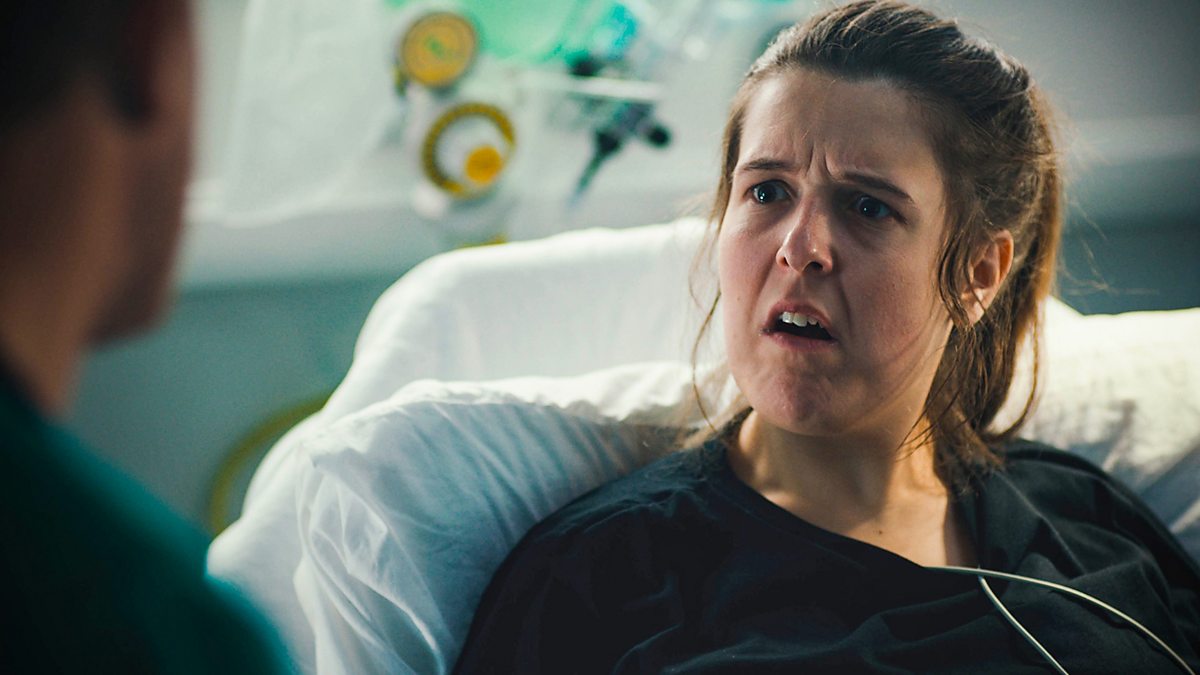
The pressure could become even more intense if doctors discover that saving the baby requires an immediate decision. The mother may suddenly have to listen to options she never imagined she would face, knowing that there may be no perfect choice. If surgery or another major intervention becomes necessary, she could be asked to trust people she barely knows with the life of her child. That trust may be incredibly difficult when fear has taken over. She might desperately want to hold her baby, yet understand that the medical team needs space to work. She could be forced to step back while doctors fight a battle she would give anything to fight herself. That separation could be devastating. Every second spent outside the treatment room could feel like an eternity, with the mother wondering whether her baby is getting stronger or slipping further away. She may find herself praying, bargaining or simply repeating the same words over and over because she has nothing else left to say. The staff, meanwhile, would have their own emotional burden. They must remain focused and professional, even as they understand exactly what is at stake. A nurse might offer the mother a reassuring hand, while a doctor explains that they are doing everything they can. But behind those calm words could be immense pressure. A baby in critical condition leaves no room for complacency, and one unexpected complication could change everything. The mother could also find strength in the smallest gestures from the medical team, realizing that although she feels completely helpless, she is not alone. Someone is fighting alongside her. Someone is watching every monitor, checking every result and searching for another way to save her child. That knowledge may not eliminate the fear, but it could give her enough strength to keep going.
As the crisis reaches its most intense point, the mother could be forced to confront the possibility that love does not always come with control. She can hold her baby, fight for her baby and demand answers, but she cannot guarantee the outcome. That realization could break her heart. If the medical team finally comes rushing toward her with news, she may struggle to read their faces before they even speak. One sentence could change everything. The baby could begin responding to treatment, offering the family a desperately needed glimpse of hope. Or another complication could emerge, pushing the situation into even more dangerous territory. Either way, the emotional consequences could be enormous. If the baby improves, the mother may finally allow herself to cry—not from fear this time, but from relief. Yet she may still be haunted by how close she came to losing her child. If the baby remains critically ill, she could find herself refusing to leave, determined to be there for every moment. Her strength may surprise even the medical professionals caring for her. She could discover that courage does not mean being fearless. It means continuing to stand when fear feels overwhelming. The hospital staff could become emotionally invested as well, particularly if they have spent hours fighting to stabilize the child. A successful outcome would not simply represent a medical victory; it would mean a family gets to go home together. But even if the immediate crisis ends, the story would not necessarily be over. The mother could face a long road of recovery, follow-up treatment and emotional healing. The memory of those terrifying hours could remain with her forever, shaping how she sees every cough, every fever and every moment of silence. Saving the baby’s life could therefore be only the beginning of a much larger journey.
Ultimately, “Can She Save Her Baby’s Life?” could become one of Casualty’s most emotionally powerful questions because the answer is about far more than medicine. It is about a mother confronting the greatest fear imaginable and finding strength in the middle of unimaginable uncertainty. She may enter the hospital desperate for someone to promise that everything will be okay, only to discover that nobody can make that promise. Instead, she has to trust the medical team, trust the treatment and somehow trust herself to keep going. The baby’s fight could become a race against time, with every medical decision carrying enormous consequences and every tiny sign of improvement offering a reason to hope. For the doctors and nurses, the case could test their skills and emotional resilience, forcing them to remain focused when the pressure becomes almost unbearable. For the mother, however, this is not simply a case number or medical emergency. This is her child. Every heartbeat matters. Every breath matters. Every second matters. Whether the baby ultimately pulls through or faces a much longer battle, the experience could change the mother forever. She may leave the hospital realizing that she cannot protect her child from every danger, but she can be present, courageous and relentless when the unimaginable happens. And that could be the emotional truth at the centre of this storyline: sometimes saving someone does not mean having complete control over their fate. Sometimes it means refusing to surrender hope when everything around you is telling you to be afraid. As the machines continue to monitor the tiny life hanging in the balance, the mother may have only one thing left to do—keep believing. Because in a place where seconds can mean the difference between heartbreak and hope, the fight for her baby may not be over until the very last moment.
Can She Save Her Baby’s Life? | Casualty