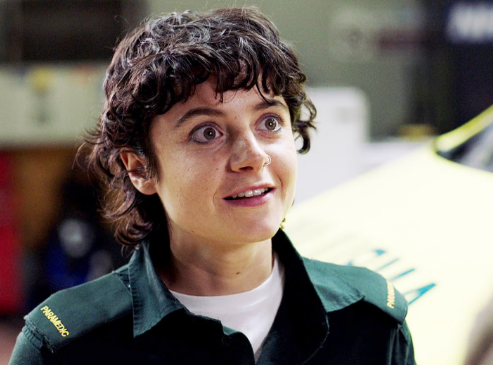
A young carer can become an expert at hiding exhaustion. They learn how to smile when they are frightened, how to say “I’m fine” when every part of them is screaming for help, and how to put someone else’s needs before their own until they barely remember what it feels like to simply be a child. That emotional pressure is at the heart of “Lethal Legacy,” a storyline that promises to push a young carer dangerously close to breaking point. In the unforgiving world of Casualty, where the emergency department is constantly filled with people whose lives have been shattered in an instant, this story offers a different kind of crisis — one that has been building quietly for far longer. The young carer at the center of the drama is not necessarily someone who walks into Holby looking for sympathy. They have survived by being dependable, responsible and strong. They have learned to anticipate problems before they happen, to manage situations that should never have been placed on their shoulders, and to suppress their own fear because someone else needs them. But strength has limits. Every sleepless night, every missed opportunity, every secret kept from friends and every responsibility carried alone creates another crack beneath the surface. Eventually, something has to give. What makes the situation particularly heartbreaking is that the young carer may not even recognize how badly they are struggling. When caring becomes part of everyday life, exhaustion can feel normal. Anxiety can feel like responsibility. Isolation can feel like sacrifice. They may believe that asking for help means abandoning the person who depends on them, even when they desperately need someone to step in. That dangerous mindset creates the perfect storm for an emotional crisis, because the very qualities that make the young carer admirable could also be the things that prevent them from admitting they cannot cope anymore. And as the pressure mounts, the question becomes terrifyingly simple: how much can one young person endure before their carefully controlled world finally collapses?
The danger intensifies when the responsibilities surrounding the young carer begin to interfere with every other part of their life. School, friendships, sleep, personal ambitions and even basic self-care can gradually disappear beneath an endless list of duties. What might begin as helping a loved one can become an overwhelming obligation, particularly when there is little adult support available. The young carer may feel trapped by a cruel choice: continue carrying everything alone or risk consequences they cannot control by admitting they need assistance. That is where “Lethal Legacy” can become particularly devastating, because the title itself hints at something larger than an ordinary family crisis. A legacy does not always mean money, possessions or a family name. Sometimes the most damaging legacy is a pattern of suffering passed from one generation to another — secrets that are never discussed, responsibilities that are never shared and emotional wounds that are repeatedly disguised as strength. The young carer could find themselves carrying burdens that were handed down long before they were old enough to understand them. Perhaps they have grown up believing that being needed is the same as being loved, or that their worth depends on how much pain they can tolerate without complaining. Such beliefs can make even genuine offers of help feel threatening. If someone tries to take responsibility away from them, they may interpret it as criticism rather than kindness. If medical professionals question what is happening at home, they could become defensive because protecting their family has become their entire identity. Yet the emergency department has a way of exposing truths that people desperately try to hide. One accident, one collapse or one moment of panic can suddenly force everything into the open. What makes that possibility so frightening is that the young carer may be pushed into making an impossible decision at precisely the moment when they are least capable of thinking clearly. The consequences could be immediate, personal and potentially life-changing.
Then comes the moment when the young carer is pushed beyond the limit they never believed they would reach. In a show like Casualty, an ordinary day can transform into a nightmare within seconds, and this storyline has all the ingredients for a deeply emotional emergency. A situation that initially appears manageable could spiral rapidly, leaving the young carer facing consequences that cannot simply be undone. Suddenly, the person who has spent so long looking after everyone else may become the one who needs rescuing. That reversal could be devastating. Imagine the shock of watching someone who has always insisted they can cope finally crumble in front of medical professionals. Their exhaustion may be impossible to hide. Their fear may finally break through. Every suppressed emotion — anger, guilt, resentment, love and desperation — could come rushing out at once. And perhaps the most painful revelation is that they may feel guilty for reaching their limit at all. Young carers often carry an enormous sense of responsibility, and that can make failure feel unforgivable. If something goes wrong, they may immediately blame themselves, even when circumstances were far beyond their control. In the emergency department, however, the staff may begin to see what the young person has been unable to see: this was never a burden they should have been carrying alone. Their crisis could force difficult conversations about safeguarding, family responsibility and the hidden struggles faced by young people who become carers. But those conversations will not necessarily provide an easy solution. Helping one person could create upheaval for another. Protecting the young carer could mean confronting painful family truths. And uncovering those truths could expose the legacy that has been shaping their life all along. The emotional power of the storyline lies in that contradiction: the young carer desperately wants to protect the people they love, yet the only way to save themselves may be to finally admit that they cannot keep protecting everyone at their own expense.
As the consequences unfold, the young carer may be forced to confront a question that has been avoided for far too long: what happens when caring for someone else destroys your own chance to grow? It is an uncomfortable question, because love and responsibility can become almost impossible to separate. The young carer might insist that they chose this life, but viewers may recognize that children and teenagers rarely have complete freedom when circumstances force them into adult roles. They can love their families deeply while still feeling angry about what has been taken from them. They can be compassionate and resentful at the same time. They can want to stay beside someone they care about while desperately wanting the freedom to live a normal life. Those conflicting emotions are what could make the aftermath of the crisis so powerful. The young carer may finally receive support, but accepting it could be harder than anyone expects. They may have spent so long believing that needing help is weakness that genuine kindness could leave them confused or frightened. Meanwhile, the adults around them may have to confront their own failures. Why did nobody notice? Why did nobody ask the right questions? How long had this young person been struggling in silence? And perhaps most painfully of all, could someone have intervened before the situation became an emergency? These questions give “Lethal Legacy” a significance far beyond one dramatic incident. The storyline has the potential to shine a light on the invisible young carers who exist outside hospital walls, quietly managing responsibilities that would overwhelm many adults. Their suffering can be hidden precisely because they become so good at appearing capable. They attend school, answer questions, smile for friends and carry on — all while living under enormous emotional pressure. When their breaking point finally arrives, it can look sudden to everyone else, even though it has been years in the making.
Ultimately, “Lethal Legacy” promises to be the kind of Casualty story that hurts because its tragedy feels frighteningly human. The young carer is not simply a victim waiting to be rescued; they are someone who has spent their life trying to protect another person, and that makes their eventual collapse all the more heartbreaking. Their journey raises difficult questions about responsibility, family, sacrifice and the dangerous belief that being strong means never asking for help. If the storyline follows through on its emotional potential, the most powerful moments may not come from the medical emergency itself, but from what happens afterward — when the noise fades, the adrenaline disappears and the young carer is finally left to confront everything they have been carrying. There may be tears, anger and painful revelations. There may be consequences that cannot be avoided. Relationships could change forever as hidden truths emerge, and the family may have to decide whether to repeat the patterns of the past or finally break them. Most importantly, the young carer may have to learn that their life matters too. They deserve sleep without guilt, friendships without secrecy, dreams without shame and a future that is not defined entirely by someone else’s needs. That realization may not come easily. It could involve painful conversations and difficult choices, but it may also represent the beginning of something the young carer has never truly allowed themselves to imagine: freedom. And that is what makes the story so emotionally compelling. Behind the emergency, the fear and the devastating consequences is a simple human cry for someone to notice. Someone to listen. Someone to say that they do not have to carry everything alone. When a young person has spent so long being everyone else’s strength, perhaps the most powerful act of all is finally allowing someone to be strong for them.
A Young Carer Is Pushed To The Limit… | Lethal Legacy | Casualty