
A secret workplace romance could quickly become a dangerous emotional battlefield in Casualty: Lethal Legacy when two colleagues discover that their private relationship has become impossible to hide, only for an unexpected third person to enter their lives and turn a quiet affair into a devastating love triangle. At Holby City Hospital, where staff members regularly face life-or-death situations together, intense emotions can develop in the most unexpected places. Two characters may initially find comfort in one another during exhausting shifts, difficult cases and moments when the pressure becomes almost unbearable. Their relationship could begin innocently enough, perhaps with late-night conversations after work or a growing sense that they understand each other better than anyone else. But as their connection becomes stronger, they may realize that workplace romance comes with risks far beyond ordinary relationship problems. They have to continue seeing each other professionally, maintain their composure around colleagues and pretend that nothing is happening whenever someone walks into the room. That secrecy could make their relationship even more intense. Every stolen glance could carry meaning, every private message could become something that must be deleted and every unexpected encounter could create panic that their secret is about to be exposed. At first, the couple may believe they can control the situation. They might establish rules about keeping their personal lives separate from their hospital duties, promising that neither will allow their emotions to interfere with patient care. But emotions rarely follow rules. One of them could begin wanting something more serious while the other remains frightened about what revealing the relationship could mean. Then a third person could enter the picture. Perhaps this newcomer has history with one of the doctors, or perhaps they develop an unexpected connection during a particularly difficult period. What begins as professional friendship could slowly become something more. The original couple may suddenly find themselves trapped in a situation they never anticipated. One person could feel betrayed, another could feel torn and the third may have no idea that they have walked into the middle of a secret relationship. The emotional stakes would rise quickly because the hospital provides almost no escape. Unlike an ordinary love triangle, these characters cannot simply avoid one another. They must continue working together, treating patients and facing emergencies while their private lives become increasingly complicated. The pressure could eventually become impossible to contain.
The arrival of the third person could expose weaknesses that already existed within the secret romance. One partner may begin questioning whether the relationship was ever going to become public, especially if the other continues insisting that the timing is not right. The excuses could start to feel hollow. Every promise to reveal the truth “later” might become another reason for resentment. The person who feels neglected could begin wondering whether they are being treated as a temporary escape rather than a genuine partner. Meanwhile, the third character could develop real feelings without understanding the full circumstances. They may be attracted to the doctor because of qualities they admire: confidence, compassion, intelligence or the ability to remain calm under pressure. Their relationship might begin with innocent conversations and gradually deepen into something neither expected. The doctor could initially try to maintain boundaries, but emotional vulnerability may make resistance increasingly difficult. After sharing a traumatic experience at work, the two could find themselves relying on each other for support. That moment could create a bond that feels impossible to ignore. The secret partner may notice the growing closeness and become suspicious. A seemingly harmless conversation could trigger jealousy, while a delayed response to a message could lead to accusations. The original couple might finally have their first major argument about the third person. One could insist that nothing inappropriate has happened, while the other argues that emotional betrayal can be just as painful as physical betrayal. Their disagreement could reveal that trust has already begun to disappear. The doctor may promise to set boundaries, but the third person’s presence could continue creating tension. At work, colleagues might start noticing the awkward atmosphere. Someone could make an innocent joke about the three characters always ending up together, unaware of how close they are to exposing the truth. The couple would have to remain careful, but every attempt to hide their feelings could make the situation more obvious. Eventually, one of them might make a serious mistake during a stressful shift because they are distracted by the relationship drama. A senior colleague could notice and question what is happening. Suddenly, the romance would no longer be simply a private matter. Their professional judgment could be called into question, threatening careers as well as relationships.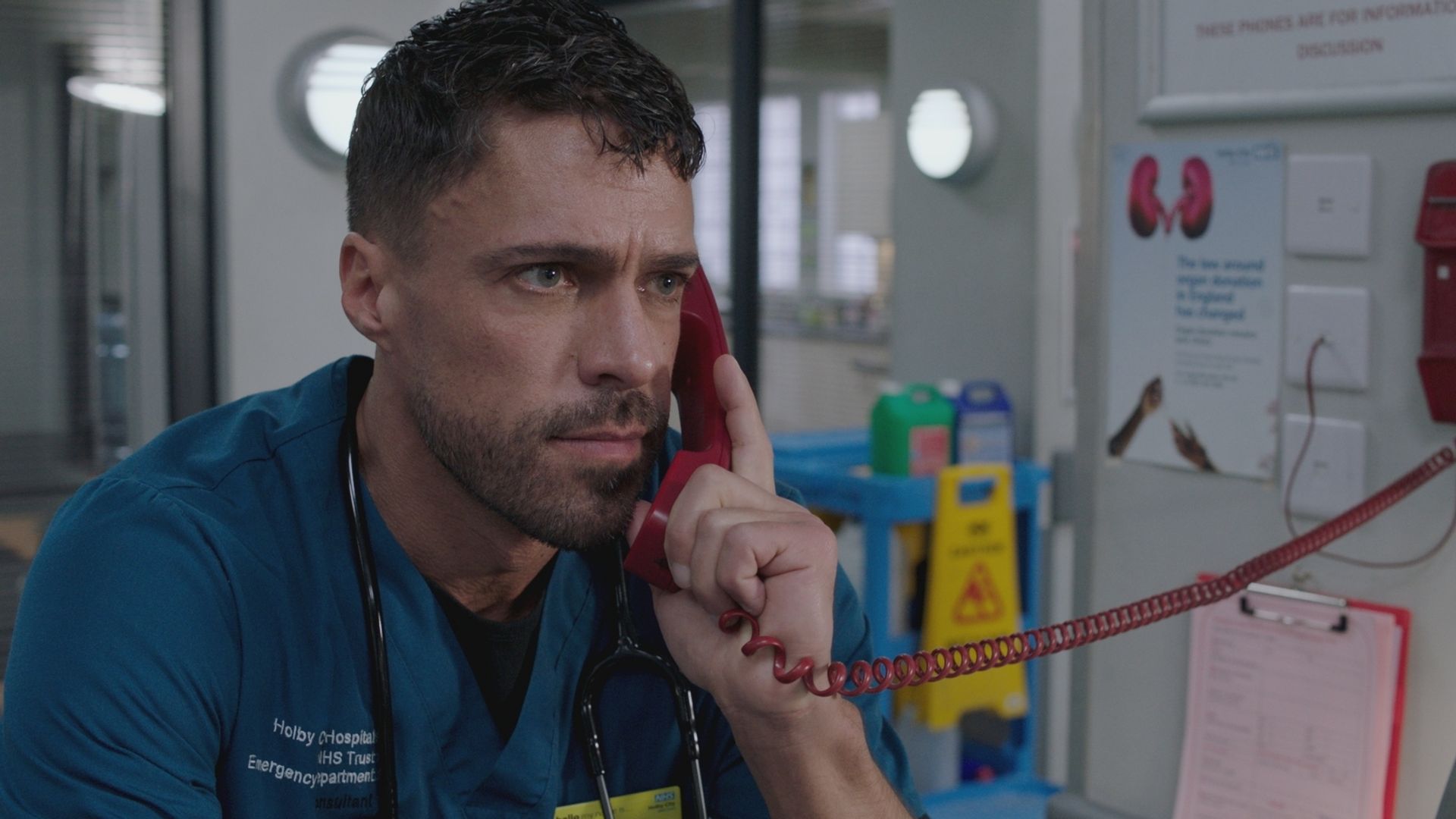
The love triangle could become even more painful when the truth finally begins to emerge. The third person might discover an intimate message, overhear a private conversation or accidentally witness a moment that reveals the relationship. Their reaction could be one of shock and humiliation. They may feel that they have been manipulated, even if the doctor never deliberately intended to deceive them. The confrontation could be explosive. The third person could demand to know why they were allowed to develop feelings if the doctor was already involved with someone else. The doctor might struggle to explain, admitting that the situation became complicated but insisting that their feelings were genuine. That explanation may not be enough. The betrayed character could accuse them of using emotional confusion as an excuse for dishonesty. Meanwhile, the secret partner could also feel betrayed. They may have assumed that their relationship, despite its secrecy, was exclusive and meaningful. Discovering that their partner developed feelings for someone else could destroy whatever trust remained. The hospital could suddenly become an emotional minefield. Every shift could force the three characters into uncomfortable encounters, while colleagues begin sensing that something serious has happened. The pressure could affect patient care, friendships and professional relationships. A close colleague might urge the doctor to make a decision before the situation becomes even more destructive. But choosing between two people may not be as simple as it sounds. The doctor could genuinely care about both, making the decision emotionally devastating. One relationship may represent security and shared history, while the other represents excitement and the possibility of a fresh start. The doctor could be tempted to choose whichever relationship feels easier, but that decision might only postpone the inevitable pain. The third person could eventually refuse to participate in the triangle any longer, telling the doctor that they deserve someone who is willing to choose them openly. That ultimatum could force the doctor to confront the consequences of secrecy. At the same time, the original partner could decide that they have reached their own limit. Rather than waiting to be chosen, they may walk away. That decision could leave the doctor facing the painful realization that they could lose both relationships. The emotional climax could come during a hospital emergency, where the three characters are forced to work together despite their personal conflict. A critically ill patient could require them to put everything aside and cooperate. For a few tense minutes, professional duty would overcome personal resentment. Yet when the crisis ends, the unresolved relationship drama would still be waiting.
The consequences of the triangle could then spread beyond the people directly involved. Rumors may begin circulating through the hospital, with different colleagues hearing different versions of the story. Some might sympathize with the person who was betrayed, while others could defend the doctor and argue that matters of the heart are complicated. Senior management could become concerned if the relationship has created a conflict of interest or affected workplace performance. The doctor may be called into a formal meeting and forced to acknowledge that personal decisions have professional consequences. They could insist that their patient care has always remained their priority, but management may warn that boundaries exist for a reason. Meanwhile, the third person could struggle with embarrassment and anger. They may consider requesting a transfer or leaving the hospital entirely to escape the constant reminders of what happened. A friend could encourage them not to allow someone else’s dishonesty to determine their future. Gradually, they may begin rebuilding their confidence. The original partner could also start moving forward, perhaps realizing that the relationship had become unhealthy long before the third person appeared. They may recognize that secrecy created an imbalance that made genuine trust almost impossible. The doctor, meanwhile, would have to confront the hardest question of all: what did they actually want? Choosing neither person could become the most honest decision. They might finally admit that they were not ready for either relationship to become what the others wanted. That confession could hurt everyone, but it would also end the cycle of uncertainty. Alternatively, the doctor could make a clear choice and accept the consequences. If they choose the original partner, the third person could be devastated but eventually move on. If they choose the newcomer, they may have to accept that the original relationship is over permanently. Either outcome would carry emotional consequences. The most powerful possibility, however, could be that the third person refuses to wait for either of them and walks away with dignity. Their decision could transform the triangle from a story about betrayal into one about self-respect. The experience may have hurt them deeply, but it could also teach them that they deserve a relationship that does not require secrecy, competition or constant uncertainty. For the doctor, watching them leave could become the moment when the reality of their choices finally hits home.
Ultimately, a secret workplace romance turning into a love triangle could give Casualty: Lethal Legacy a gripping storyline filled with emotional tension, professional danger and painful consequences. What begins as a private connection between two colleagues could gradually become impossible to control as their feelings deepen and another person enters the picture. The secrecy that once made the romance exciting could eventually become the very thing that destroys it. Every hidden message, private meeting and unexplained absence could create another crack in the foundation of the relationship. When the third person develops genuine feelings, the situation would become even more complicated because nobody could simply dismiss the emotions involved. The doctor might care about both people, but refusing to make a decision could ultimately hurt everyone. The eventual discovery of the secret could trigger confrontations, damaged friendships and professional consequences, particularly if the relationship begins affecting judgment at work. Holby City would become more than the setting for their romance; it would become a constant reminder of the choices they made. The most heartbreaking part of the storyline could be that there is no perfect solution. Someone will inevitably be hurt, and the characters will have to accept that love does not erase responsibility. The original partner may discover that they deserve honesty rather than secrecy. The third person may realize that they should never have to compete for someone’s affection. And the doctor at the center of the triangle may finally understand that avoiding difficult choices is still a choice. If they choose one relationship, they must accept the loss of the other. If they choose neither, they must accept being alone. Whatever happens, the aftermath could reshape all three characters. One may leave the hospital, another could begin a new chapter and the doctor may remain behind carrying the consequences of everything that happened. The story could end with an ordinary hospital shift continuing around them, patients arriving and staff rushing through the corridors as if nothing has changed. But for these three people, everything would be different. A romance that began in secrecy would have exposed hidden feelings, damaged trust and forced them to confront uncomfortable truths about what they really wanted. In Casualty, where life can change in a single emergency, the greatest shock may be realizing that the most dangerous situations are not always medical. Sometimes the most devastating wounds are created by love, secrecy and the choices people make when they believe they can keep their hearts separate from the consequences.