
A deeply uncomfortable situation could erupt into a major Casualty storyline when a hospital worker finds themselves being harassed by their lover’s son, turning what should have been a complicated relationship into a frightening struggle involving family loyalty, professional boundaries and the pressure of keeping a secret. At first, the situation may appear to be nothing more than awkward tension between two people who have never fully accepted one another. The son could resent his father’s new relationship, believing that the romance has changed his family forever. He may refuse to welcome the new partner and instead make it clear that he does not approve. What begins with cold remarks or hostile encounters could gradually become much more serious. The victim may attempt to ignore the behavior, hoping that it will eventually stop, but every new incident could make the situation harder to dismiss. Because the people involved are connected through a romantic relationship, the victim might worry that speaking out will destroy the family or force their lover to choose between them and his son. That fear could encourage silence, allowing the harassment to continue. At the hospital, the victim may try to maintain a professional appearance, refusing to let private problems affect their work. Yet the emotional strain could begin following them into every shift. A message arriving unexpectedly could cause anxiety, while seeing the young man in the hospital could immediately change their mood. Colleagues might notice that something is wrong and ask questions, but the victim could initially insist that everything is fine. The pressure would become even more intense if the son begins deliberately appearing in places where he knows the victim will be. He may confront them about the relationship, accuse them of interfering with his family and demand that they leave his father alone. The victim could attempt to explain that their relationship is between two consenting adults, but the son may refuse to listen. He could believe that his anger gives him the right to interfere. The victim might then face an agonizing decision: tell their lover exactly what is happening or continue keeping quiet to avoid making the conflict worse. Either choice could carry consequences. If they speak up, their lover may struggle to believe that his son is capable of such behavior. If they remain silent, the harassment could escalate. The emotional heart of the story would therefore be the victim’s growing realization that protecting everyone else’s feelings may be putting their own wellbeing at risk.
The situation could reach a turning point when the son crosses a line that can no longer be explained away as ordinary family tension. He might send an aggressive message, confront the victim publicly or attempt to intimidate them into ending the relationship. The victim could be shaken but determined not to give him the reaction he wants. They may tell him clearly that his behavior is unacceptable and that he needs to stop. Instead of backing down, however, he could become even more determined. He might insist that his father would be better off without the relationship and accuse the victim of manipulating him. Those accusations could be especially painful because they attack not only the relationship but also the victim’s character. The victim may begin questioning whether their lover understands how serious the situation has become. When they finally tell him everything, the conversation could be emotionally explosive. The lover might initially defend his son, explaining that he is struggling with the changes in his family. But the victim could refuse to accept that explanation as an excuse. They may tell him that grief, anger or jealousy can explain someone’s behavior, but they do not justify harassment. That distinction could force the lover to confront a reality he has been avoiding. He may realize that by refusing to acknowledge the problem, he has allowed the situation to become worse. His loyalty to his son could clash directly with his responsibility to protect the person he loves. The conversation could end with the victim demanding that he take the situation seriously. They may tell him that they cannot continue the relationship if he expects them to tolerate intimidation. The lover could be devastated by the possibility of losing them, but he may also be frightened by what confronting his son could do to their family. Meanwhile, the victim’s colleagues at Holby City could begin noticing the emotional toll. A normally confident professional might suddenly become distracted, anxious or reluctant to leave the hospital alone. A close friend could eventually insist that they cannot keep pretending nothing is happening. That conversation could encourage the victim to document the incidents and seek formal advice. The possibility of involving hospital authorities could raise the stakes because the conflict has now crossed from a private family dispute into something with potential professional consequences.
The internal affairs aspect of the storyline could become particularly compelling when the victim decides that they need to protect themselves formally. If the harassment begins affecting the workplace, management may have to investigate. Messages, witness accounts and security footage could become important pieces of evidence. The victim may feel uncomfortable providing them, especially if doing so could expose their lover’s son to serious consequences. They could worry that people will accuse them of overreacting or deliberately trying to punish someone they dislike. But a trusted colleague might remind them that documenting harassment is not revenge. It is protection. The investigation could uncover details that make the situation more disturbing than anyone realized. Perhaps the son has been contacting other people about the victim, spreading damaging claims or attempting to isolate them from their lover. He may insist that he was only trying to protect his father, but the evidence could reveal a pattern of deliberate intimidation. The victim’s lover could be shocked when he learns the full extent of what has been happening. He may confront his son and demand an explanation. The son could finally admit that he has been acting out of anger and fear, believing that his family was being taken away from him. That confession might make the situation emotionally complicated. The victim could understand why he feels hurt without accepting responsibility for his behavior. His father might tell him that his feelings are valid, but the way he has acted is not. The confrontation could become one of the most powerful moments of the story because it forces the family to acknowledge a truth everyone has avoided. The relationship has changed, and nobody can force it back to the way it was. The son may need professional support to process his emotions, while the victim needs safety and respect. Yet even after the truth is exposed, trust may be difficult to rebuild. The victim could wonder why their lover did not recognize the warning signs sooner. They may question whether he will truly stand beside them if another crisis occurs. The lover could apologize, but the victim may explain that words alone are no longer enough. He needs to demonstrate through his actions that their safety and dignity matter. That could mean setting firm boundaries with his son, refusing to excuse unacceptable behavior and accepting that consequences are necessary.
As the story moves toward its emotional climax, the victim could face one final confrontation that tests everything they have learned. The son may attempt to make one last appeal, insisting that he never intended for things to go this far. He could ask the victim to understand how frightened he was of losing his father. The victim might listen but refuse to minimize what happened. They could tell him that he had every right to feel angry, but he did not have the right to make another person feel unsafe. That distinction could finally begin to sink in. The son might apologize, although forgiveness may not come immediately. The victim could explain that rebuilding trust will take time and that the relationship with his father cannot be controlled by threats or pressure. Meanwhile, the lover could make a difficult decision about his family. He may decide that supporting his son means helping him face the consequences of his actions rather than protecting him from them. That could be painful but necessary. The victim might begin considering whether they still want the relationship after everything that has happened. Their feelings for their lover could remain strong, but love alone may no longer be enough. They need to know that their partner will protect their boundaries when family conflict becomes overwhelming. A quiet conversation could eventually give them the answer they need. The lover may admit that he should have listened sooner and that his hesitation allowed the harassment to continue. He could promise that the same mistake will never happen again. The victim may not immediately accept the promise, but they could agree to take things one step at a time. At work, colleagues could gradually see the victim regain confidence. They may return to their normal duties, focusing on patients and allowing themselves to feel like themselves again. Yet the experience could leave a lasting mark. The victim may become more aware of the importance of speaking up when something feels wrong, even when the person causing the problem is connected to someone they love. The son, meanwhile, could begin a difficult process of accountability and emotional recovery. His actions may have caused enormous damage, but the story could show that recognizing wrongdoing is the first step toward changing.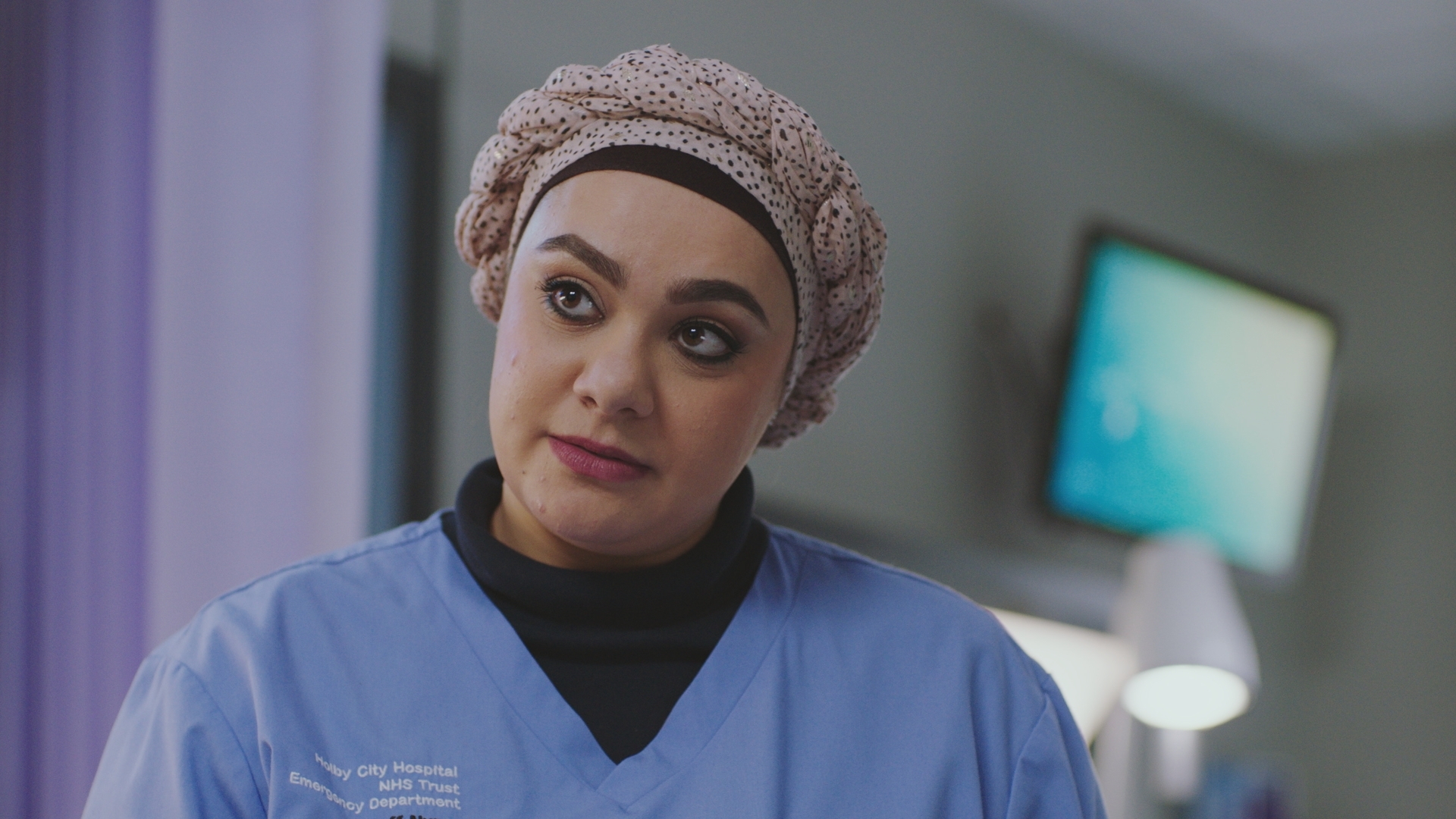
Ultimately, a Casualty storyline about being harassed by your lover’s son could become a powerful exploration of family conflict, emotional manipulation, boundaries and the importance of refusing to normalize harmful behavior. The drama would not simply depend on shocking confrontations. Its greatest strength could come from showing how harassment gradually affects a person’s confidence, relationships and ability to feel safe. The victim might initially remain silent because they want to protect their lover and avoid destroying his relationship with his son. But that silence could come at a terrible personal cost. As the behavior escalates, they would have to recognize that nobody should be expected to tolerate intimidation simply because the person responsible is part of a family. The lover would also face his own difficult journey. He might initially struggle to accept that his son is behaving inappropriately, especially if he believes the young man’s actions are motivated by pain. But eventually he would have to understand that compassion does not mean excusing harmful behavior. Supporting his son could mean helping him confront the consequences and encouraging him to seek appropriate help. The internal investigation could provide an important turning point because it would transform a private dispute into something that could no longer be ignored. Evidence could reveal the seriousness of the situation, while colleagues could provide the victim with the support they desperately need. The eventual confrontation between father, son and partner could be painful, but it could also establish boundaries that should have existed from the beginning. The victim may decide to continue the relationship, but only if their partner proves that he is willing to protect their wellbeing. Alternatively, they could decide that too much trust has been lost and walk away. Either outcome could be emotionally powerful because the most important victory would be the victim reclaiming control over their own life. The experience could remind viewers that love should never require someone to sacrifice their safety or dignity. In the intense world of Holby City, where doctors and nurses regularly fight to save others, this storyline could show another kind of courage: the courage to admit when something is wrong and demand that it stop. The final image could see the victim returning confidently to work, no longer allowing fear to dictate their choices. The family may still have a long road ahead, but the silence surrounding the harassment would finally be broken. And once the truth has been confronted, every person involved would have to decide what comes next—not by pretending nothing happened, but by accepting responsibility and choosing a healthier future.