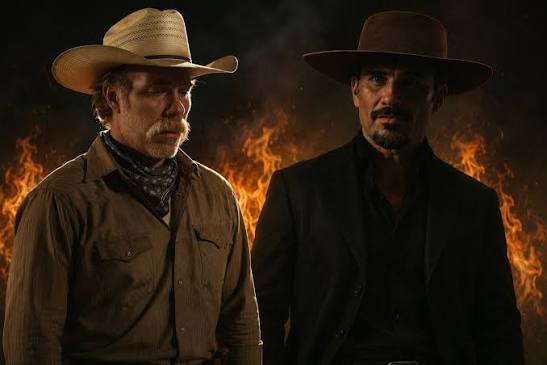
To millions of viewers watching Paramount’s hit series Dutton Ranch, the modern Texas cowboy existence looks like a magnificent, mythic dream.
Sweeping cinematic shots capture horseback riders cutting through the morning mist, thunderous cattle drives crossing boundless prairies, and stoic men in dark felt hats embodying an unyielding code of frontier honor.
When the franchise expanded key storylines into the vast heartland of Texas, filming on legendary, working cattle operations like the historic 6666 Ranch, it brought an incredible level of visual majesty and regional pride to television screens worldwide.
Star Cole Hauser, who plays the formidable Rip Wheeler, has frequently spoken about the grueling physical authenticity required on set—from baking in triple-digit heatwaves to spending eight hours a day in the saddle at Taylor Sheridan’s intensive “Cowboy Camp.”
Yet, for real-world Texas cowboys, ranchers, and agricultural historians who spend their lives actually working cattle across the Lone Star State, watching Dutton Ranch is an exercise in dual realities.
While the series achieves a level of gritty, technical accuracy rarely seen in modern Hollywood productions, it also takes massive, dramatic liberties with the day-to-day realities of 21st-century cattle management. Here is a close look at what Dutton Ranch gets absolute right about the Texas cowboy life—and where the show trades real-world ranching for prime-time fiction.
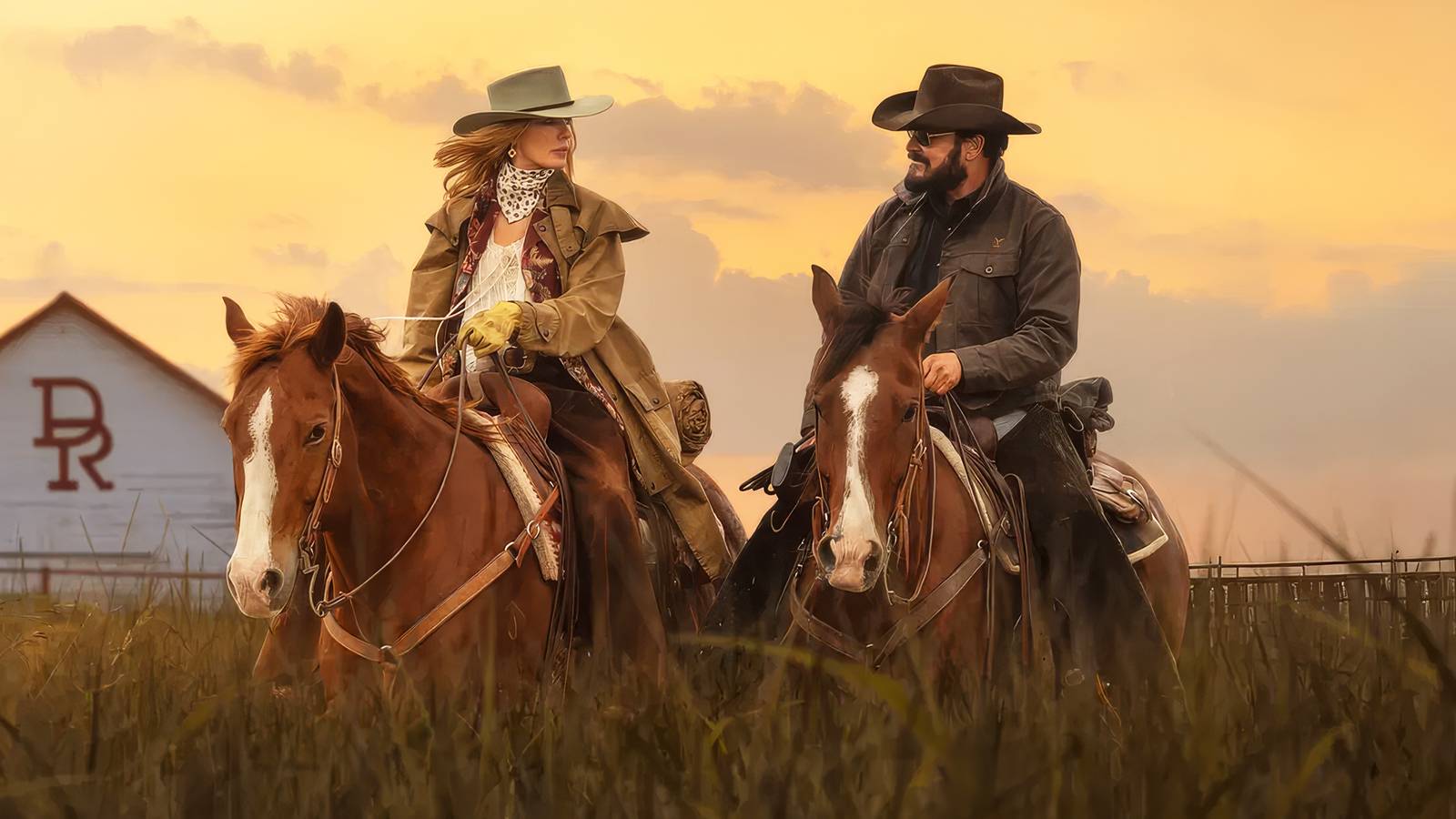
WHAT IT GETS RIGHT
1. Unforgiving Physical Demands and Environmental Extremes If there is one thing Dutton Ranch captures with uncompromising accuracy, it is the sheer, punishing physical reality of working outdoors in Texas. The show doesn’t sanitize the weather. When characters are shown sweating through denim shirts in 110-degree summer heat, choking on thick trail dust, or riding through sudden, freezing ice storms, that isn’t movie magic—that is daily life on a Texas ranch. The physical fatigue, muscle soreness, and constant battle against dehydration are absolute truths for anyone working livestock in the region.
2. Exceptional Horsemanship and Livestock Handling Thanks to Taylor Sheridan’s insistence that actors perform their own riding and cattle work, the technical horsemanship on display is remarkably authentic:
-
True Cutting and Roping Mechanics: The mechanics of cutting cattle out of a herd, reading a horse’s body language, and throwing a heel loop are executed with legitimate precision.
-
Respect for Working Horses: The show accurately portrays top-tier quarter horses not as passive transportation, but as highly trained, multi-thousand-dollar athletic partners whose well-being is vital to the ranch’s survival.
-
The Tools of the Trade: From high-grade saddles and custom spurs to leather chaps and wild rags, the equipment used by Rip and the bunkhouse crew is historically and functionally spot-on for working cowboys in the Southwest.
3. The Culture of the Bunkhouse The tight-knit, fiercely loyal, yet playful dynamic within the bunkhouse is surprisingly faithful to real ranching culture. Working on a massive Texas cattle operation is an isolating life. Cowboys eat together, sleep under the same roof, and rely entirely on one another for physical safety when handling volatile 1,200-pound animals miles away from medical help. The camaraderie, practical jokes, and unspoken brotherhood depicted in the series genuinely mirror the social fabric of traditional working outfits.
WHAT IT GETS WRONG
1. The Outlaw Vigilante Justice and “The Brand” The most obvious point of departure from real life is the show’s heavy reliance on extrajudicial violence, vigilante killings, and the dark mythology of “branding” human beings.
-
Real-World Law and Order: In modern Texas, cattle operations are strictly bound by state and federal law, overseen by specialized law enforcement entities like the Texas and Southwestern Cattle Raisers Association (TSCRA) Special Rangers. The idea that a ranch foreman could routinely execute rival hands, hide bodies in canyons, or brand cowboys to enforce lifetime servitude is pure television noir fiction.
-
The Symbol of the Brand: In the real agricultural world, a brand is a legal mark of property ownership applied exclusively to livestock—never a secretive mark of criminal brotherhood stamped onto human skin.
2. The Economics of Modern Cattle Ranching While Dutton Ranch correctly highlights the severe financial pressures facing modern agricultural producers—such as skyrocketing equipment costs, land taxes, and volatile beef prices—it often glosses over the actual administrative and technological reality of modern ranching:
-
Technology over Western Dramatics: Today’s top Texas cattle outfits rely heavily on modern technology. Herd management involves detailed computer spreadsheets, satellite pasture mapping, genetic testing, electronic ear tags, and precision ATV usage alongside traditional horseback work.
-
Boardrooms and Regulations: Real ranch management involves far more time analyzing commodity futures, negotiating grazing leases, and navigating USDA regulations than engaging in dramatic, high-stakes brawls in local taverns.
3. Constant High-Drama Shootouts and Turf Wars In the world of Dutton Ranch, every property line dispute, cattle theft, or corporate interaction seemingly escalates into a high-octane gunfight or a physical brawl. In modern Texas, land disputes and cattle theft are handled through courtrooms, brand inspectors, and legal injunctions. While livestock theft still occurs, it is investigated by trained livestock detectives using paper trails and DNA testing, not settled by foremen engaging in middle-of-the-night shootouts on the highway.
The Verdict: A Cinematic Homage to an Enduring Spirit
At its core, Dutton Ranch was never intended to be an instructional documentary for agricultural colleges. It is an romanticized, high-stakes Western drama designed to entertain a global audience hungry for stories of frontier independence, rugged individualism, and deep connection to the land.
Where the show excels is in its deep, genuine respect for the spirit of the cowboy craft. By forcing its cast to sweat in the Texas sun, learn real horsemanship, and honor the grit required to work livestock, the series pays a breathtaking visual tribute to one of America’s oldest and most iconic professions.
For real-world Texas cowboys, the show’s exaggerated violence and soap-opera plot twists may elicit a knowing chuckle over morning coffee. But when the camera pans across a wide Texas horizon at dawn, showing a cowboy riding hard to turn a runaway herd, even the most seasoned real-life ranchers will admit: Dutton Ranch gets the soul of the high country right.