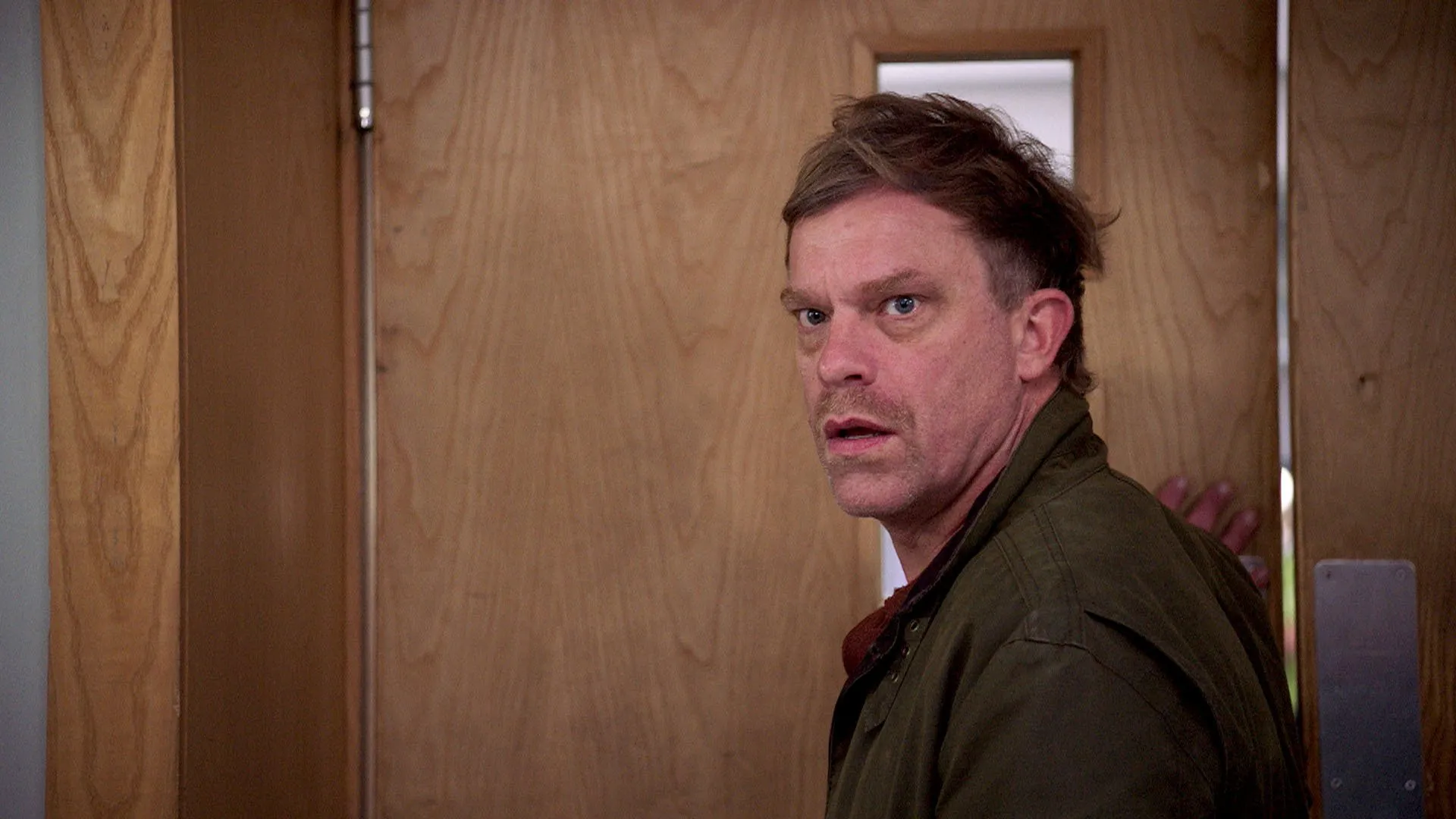
A father’s love can be fierce, but in the emergency world of Casualty, even the strongest protective instinct can become dangerous when anger takes control. When a devastated dad discovers that his daughter has been attacked, the shock quickly turns into a burning determination to confront the person responsible. What follows is an emotionally charged storyline filled with fear, rage, guilt and the desperate desire to protect someone who means everything to him. For a parent, there can be few things more unbearable than seeing their child frightened or injured, particularly when another person is responsible. The father’s first instinct is not to think about consequences, police procedures or whether confronting the attacker is sensible. He simply wants answers. He wants the attacker to understand the damage that has been done. Most importantly, he wants his daughter to know that she is not alone. Yet that determination creates a dangerous line for him to cross. Casualty has repeatedly explored the complicated aftermath of violence, showing that an attack rarely affects only the person who suffers it. Families, friends, colleagues and medical professionals can all become caught in the emotional fallout. Previous storylines have shown characters struggling after traumatic assaults, including Teddy Gowan’s harrowing confrontation with his attacker after suffering sexual assault. In that storyline, Teddy’s trauma left him haunted by flashbacks and consumed by rage before he finally confronted the person responsible, only to find the encounter deeply damaging. That emotional pattern makes this new father-daughter drama especially compelling. The daughter may desperately need safety and support, but her father’s understandable anger could unintentionally create another crisis. As the confrontation approaches, viewers are left wondering whether he can remain the protector she needs—or whether his fury will push him into doing something that could change the family’s lives forever.
The daughter’s ordeal becomes even more heartbreaking because an attack can leave wounds that are impossible to see. She may receive medical treatment for physical injuries, but the psychological damage can be far more difficult to understand and treat. Every sound, every unfamiliar face and every reminder of what happened could bring the fear rushing back. Her father sees the pain in her eyes and feels completely helpless, because protecting his child is something he has always believed he could do. Now he is confronted with the cruel reality that he could not prevent what happened. That sense of helplessness can easily transform into anger. He may replay the events in his mind, wondering where he was, what he could have done differently and whether he somehow failed her. None of those questions have easy answers, but guilt rarely cares about logic. The father could become convinced that confronting the attacker is the only way to regain control. Yet his daughter may have completely different feelings. She may not want to see the attacker again. She may fear that her father’s actions will make the situation worse. She may simply want the nightmare to stop. This creates the emotional heart of the story: the father believes he is fighting for his daughter, while she may need him to understand that fighting does not necessarily mean seeking revenge. Casualty has often placed vulnerable patients at the centre of stories where the truth is difficult to reveal. In an earlier assault storyline involving Alicia Munroe, the character struggled with the aftermath of sexual assault and initially found it difficult even to discuss what had happened, demonstrating how trauma can make victims feel isolated and reluctant to speak. That same emotional complexity hangs over this storyline. The daughter needs someone to listen without judgment, believe her without hesitation and allow her to decide what happens next. Her father’s protective instincts are understandable, but the real test of his love may be whether he can put her needs above his own overwhelming desire for justice.
Then comes the confrontation, and the atmosphere changes completely. When the father finally comes face-to-face with the person he believes destroyed his daughter’s sense of safety, every emotion he has been suppressing threatens to explode. There may be no dramatic speech at first—just a look, a tense silence and the unmistakable understanding that both men know exactly why they are standing there. The attacker may attempt to dismiss what happened, offer excuses or even behave as though the confrontation is nothing more than an inconvenience. That could be the moment when the father loses control. His anger is not simply about what happened that day; it is about every sleepless night his daughter has endured, every frightened moment she has experienced and every time he has watched her struggle to return to normal. The temptation to lash out could become overwhelming. Yet one wrong move could transform him from a grieving parent into a criminal suspect. That is where the storyline can deliver its most powerful tension. The father wants to protect his daughter, but if he attacks the attacker, he could create another trauma for the very person he is trying to defend. Police involvement could follow. The family could be questioned. The daughter could suddenly find herself at the centre of an investigation when she desperately wants to reclaim control of her own life. This is the kind of moral conflict Casualty handles particularly well: there is no simple distinction between good and bad when grief and rage collide. The father is not necessarily a violent man, but he is a frightened parent pushed to an emotional breaking point. The attacker may believe that the worst is already over, while the father knows that his daughter is still living with the consequences. Every second of their confrontation therefore carries enormous danger. Will the father walk away before his anger takes over, or will one final provocation push him beyond the point of no return?
Back at Holby ED, the consequences of the confrontation could become just as intense as the confrontation itself. Medical staff are accustomed to treating physical emergencies, but emotional emergencies can be just as difficult to manage. If the father returns injured, distressed or facing police questions, the family’s private crisis suddenly becomes a public one. His daughter could blame herself for what happened, even though none of it was her fault. She might fear that her father has made everything worse. At the same time, he could finally realise that his attempt to protect her has been driven partly by his own need to make sense of something that cannot be undone. That realisation could break him. A parent can spend years believing they will always be able to keep their children safe, but trauma shatters that illusion. The father may have wanted to be his daughter’s shield, only to discover that what she truly needs is someone willing to stand beside her while she rebuilds her confidence. The hospital environment provides the perfect setting for that emotional reckoning. Surrounded by patients fighting their own battles, the father is forced to confront his. He cannot erase the attack. He cannot return his daughter to the person she was before it happened. But he can choose what happens next. He can listen. He can support her decisions. He can make sure she knows that the shame belongs entirely to the attacker, never to her. That message could become more powerful than any act of revenge. Casualty has previously shown how violence can ripple through an entire community, whether through assaults, attacks or major incidents, with characters often left struggling long after the immediate danger has passed. The father’s confrontation therefore becomes more than a showdown between two men. It becomes a battle between revenge and recovery, between anger and compassion, and between the instinct to punish and the responsibility to heal.
Ultimately, this storyline promises to deliver one of the most emotionally charged kinds of Casualty drama: a parent pushed to the edge because the person he loves most has been hurt. His confrontation with the attacker may be frightening, explosive and deeply satisfying in the moment, but the real victory will not come from violence. It will come from helping his daughter reclaim the life that was threatened by the attack. The father must eventually understand that protecting her does not mean deciding everything for her. It means giving her the strength and freedom to make her own choices. That could be the hardest lesson of all. His anger is understandable, and viewers may sympathise with every ounce of fury he feels, but acting on that fury could cost the family dearly. The daughter, meanwhile, faces her own difficult journey. She must find a way to live beyond the fear, rediscover trust and understand that what happened to her does not define who she is. The attacker may have taken away her sense of security for a time, but he does not have to control her future. That is where the emotional power of the story ultimately lies. The confrontation can be dramatic, but recovery is the battle that truly matters. Casualty has repeatedly demonstrated that trauma does not disappear when an emergency ends, and Teddy’s previous storyline showed how even confronting an attacker can leave a survivor feeling helpless and consumed by rage. For this protective father, the challenge will be learning that love is not measured by how violently he responds to a threat, but by how faithfully he remains beside his daughter afterward. He may enter the confrontation believing he needs to fight for her, only to discover that what she needs most is his patience, his trust and his unwavering presence. And when the anger finally fades, the family will still have to face the difficult road ahead—one filled with painful memories, difficult conversations and the hope that, somehow, they can emerge stronger together.
Protective Dad Confronts Daughter’s Attacker! | Casualty