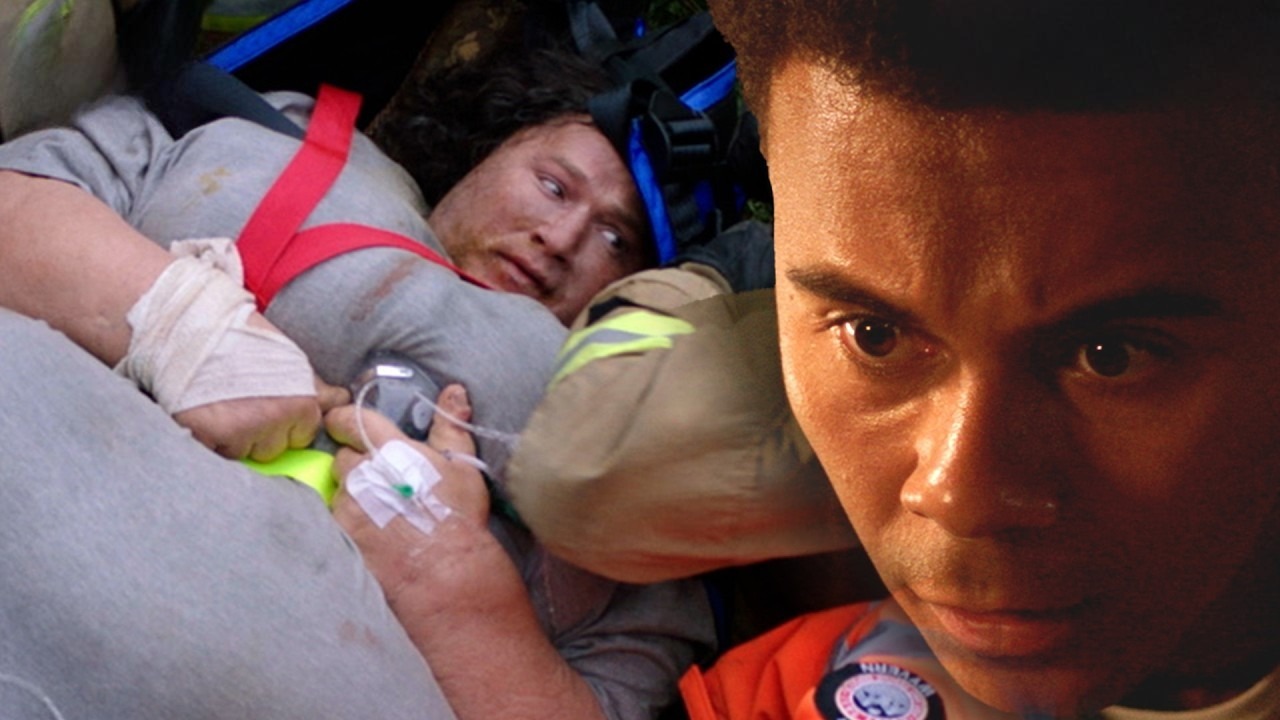
Casualty: A Diabetic Patient Refuses Life-Saving Help In A Terrifying Medical Crisis
Casualty is no stranger to putting its characters in impossible situations, but some emergencies are frightening precisely because there is no easy answer. When a diabetic patient arrives in crisis and refuses potentially life-saving treatment, the pressure inside the emergency department reaches another level.
What begins as a medical emergency quickly becomes a battle over trust, consent and responsibility. For the medical team, the instinct is simple: save the patient. But when the patient refuses to cooperate, even the most experienced professionals can find themselves facing a devastating dilemma.
A Medical Emergency Takes A Dangerous Turn
The emergency department is built around one fundamental principle: act quickly when a life is at risk. Yet medicine becomes far more complicated when the person at the centre of the crisis does not want the help being offered.
A diabetic patient in serious distress presents exactly that kind of challenge.
With their condition deteriorating, every decision matters. The medical team must assess the situation, understand what is causing the crisis and determine how urgently intervention is required. But the patient’s refusal immediately changes the dynamic.
Instead of simply treating an emergency, the staff must also establish whether the patient understands the seriousness of their condition and the potential consequences of refusing treatment.
That creates a tense situation in which time is just as dangerous as the illness itself.
When A Patient Says No
For medical professionals, watching someone reject treatment can be incredibly difficult.
The instinct to intervene is powerful, particularly when doctors and nurses believe the patient could die without immediate care. But emergency medicine is not simply about doing whatever is necessary. Patients who have the capacity to make their own decisions generally have the right to refuse treatment, even when those decisions appear deeply concerning to the people trying to help them.
That conflict gives the storyline much of its emotional weight.
The team cannot simply ignore the patient’s wishes. At the same time, they cannot casually walk away from someone whose health may be deteriorating rapidly.
Every conversation therefore becomes crucial.
A calm explanation could make the difference between cooperation and further resistance. But as the pressure increases, keeping emotions under control becomes harder for everyone involved.
The Doctors Face An Impossible Dilemma
The crisis forces the medical team to balance professional responsibility with the patient’s autonomy.
They need to establish what the patient understands, whether the refusal is informed and whether there are other factors influencing the decision. Fear, confusion, pain or previous experiences with healthcare could all complicate the situation.
For the staff, this means that simply repeating medical instructions is not necessarily enough.
They have to communicate.
They have to listen.
And they have to find a way to reach someone who may be frightened or unwilling to trust them.
That creates an intensely human side to the emergency. Beneath the medical terminology is a person struggling to make sense of a terrifying situation, while the professionals around them are desperately trying to prevent the worst possible outcome.
Diabetes Adds Another Layer Of Danger
Diabetes can require careful, ongoing management, which makes a serious crisis particularly concerning when treatment is refused.
The emergency department must consider the patient’s symptoms, medical history and current condition while responding to the immediate threat. What may initially look like a manageable problem can become increasingly serious if the underlying issue is not addressed.
That uncertainty keeps everyone on edge.
The medical team may know what they believe needs to happen next, but knowing the correct medical response does not guarantee that they can carry it out.
This is where Casualty can turn a medical storyline into a powerful character drama.
The central question is no longer simply whether the patient can be treated.
It becomes whether the team can earn enough trust to persuade the patient to accept help.
Emotions Begin To Take Over
As the patient’s condition becomes more concerning, the atmosphere inside the ED is likely to become increasingly tense.
Doctors and nurses are trained to remain focused under pressure, but they are still human. When a patient refuses potentially life-saving assistance, frustration and fear can collide.
One wrong word could make the patient withdraw further.
One moment of impatience could destroy an already fragile relationship.
That emotional tension gives the storyline its dramatic edge. The professionals cannot allow their own fear to dictate their actions, yet they also cannot pretend the situation is routine.
For those treating the patient, the responsibility is enormous.
They may later have to live with whatever happens next.
The Patient’s Refusal Raises Bigger Questions
One of the most compelling elements of the storyline is the question of why the patient refuses help.
Is it fear?
Is it mistrust?
Is there a personal reason behind the decision?
Or does the patient genuinely believe that refusing treatment is the right choice?
The answer could dramatically change how the medical team approaches the situation.
Rather than presenting the patient as simply difficult or unreasonable, the crisis opens the door to a much deeper exploration of personal choice and vulnerability.
That is where the emotional stakes become even higher.
A medical emergency can expose hidden fears that might otherwise remain buried.
The ED Must Keep Moving
While one patient’s crisis dominates the attention of the team, the rest of the emergency department cannot simply stop.
Other patients still need treatment.
Other emergencies continue to arrive.
And staff members must somehow divide their attention between competing demands.
That pressure is a familiar part of Casualty and helps make the storyline feel even more intense. The medical team does not have the luxury of focusing on one problem indefinitely.
They have to make decisions.
They have to delegate.
And they have to trust one another.
The patient’s refusal therefore becomes not only a personal challenge but a test of teamwork and professional judgment.
When Saving A Life Isn’t Simple
The storyline ultimately raises one of the most difficult questions in emergency medicine: what happens when the person you are trying to save does not want to be saved?
There is no simple emotional answer.
For the patient, refusing treatment may feel like an expression of control at a moment when everything else seems frightening and uncertain.
For the medical team, however, every passing moment could bring the consequences closer.
That difference in perspective creates a powerful dramatic conflict without requiring a conventional villain.
Nobody has to be deliberately cruel.
Nobody has to be completely wrong.
They simply see the same crisis from very different positions.
The Emotional Fallout Could Be Just As Powerful
Whatever happens during the emergency, the consequences are unlikely to end when the immediate medical crisis is over.
For the patient, the experience could change their relationship with healthcare and force them to confront difficult choices about their condition.
For the medical staff, the incident could become another reminder of how unpredictable emergency medicine can be.
Even when they do everything possible, outcomes are never entirely within their control.
That is one of the reasons medical dramas continue to resonate with audiences. The stakes are not only about whether someone survives. They are about the emotional consequences of every decision made along the way.
What Happens Next?
The diabetic patient’s refusal of life-saving help puts the Casualty team in an extraordinarily difficult position.
As the emergency develops, the biggest question is whether communication can break through the patient’s resistance before it is too late.
The doctors and nurses may have the medical knowledge required to respond to the crisis, but the most important tool could ultimately be trust.
And if that trust cannot be established, the consequences could be devastating.
For Casualty, this is exactly the kind of storyline that transforms a medical emergency into gripping television. It is a story about illness, but also about independence, fear, responsibility and the difficult boundary between helping someone and respecting their right to make their own choices.
The clock may be ticking inside the ED, but the real battle is far more complicated than simply keeping a patient alive.
Sometimes, the hardest part of saving a life is convincing someone to let you try.