The past has never truly stayed buried on Criminal Minds.
For the Behavioral Analysis Unit, closing an investigation may bring an official conclusion, but it does not erase the memories left behind. Years of studying complicated behavior have given the BAU extraordinary insight into the human mind. They have also left Emily Prentiss, David Rossi, Jennifer “JJ” Jareau, Penelope Garcia, Tara Lewis and Luke Alvez carrying experiences that cannot simply be filed away.
Season 19 takes that reality and turns it into the foundation for an increasingly personal chapter.
Old files begin resurfacing. Familiar behavioral patterns appear in unexpected places. New investigations seem to carry uncomfortable echoes of cases the BAU believed were finished long ago.
The immediate question is obvious: are these similarities coincidence, imitation or evidence of something larger?
But Criminal Minds: Evolution has another question waiting underneath.
What happens when the people responsible for studying the past are forced to relive it?

Old Files Bring New Questions
The BAU has accumulated an enormous psychological archive over the years.
Every investigation contains patterns, interviews, theories and conclusions. Normally, those records help the team understand future cases by providing a reference point for behavior they have encountered before.
Season 19 complicates that advantage.
When familiar patterns begin appearing again, experience can initially feel reassuring. Rossi may recognize a behavioral signature. JJ may remember a detail from an earlier investigation. Garcia can search years of digital information for connections that would otherwise remain invisible.
But recognition creates another possibility.
Someone may know the BAU’s history.
If that is true, the team cannot simply ask why old patterns are returning.
They must ask why those particular patterns were chosen.
Suddenly, the BAU’s institutional memory becomes part of the mystery itself.
Rossi Knows the Past Never Completely Disappears
Few characters understand that better than David Rossi.
Joe Mantegna’s veteran profiler represents decades of BAU history, making him an invaluable resource whenever a current investigation resembles something from another era.
Rossi remembers how profiling has changed.
He remembers old theories.
More importantly, he remembers people.
That experience can help the BAU recognize connections younger investigators might overlook, but it also carries emotional weight.
An old case is not merely paperwork to Rossi.
It may remind him of a decision he made, a colleague he once worked beside or an answer that came too late to provide the closure everyone wanted.
Season 19 can use that history to challenge one of Rossi’s defining characteristics: his confidence in experience.
Sometimes knowing exactly what happened before does not make confronting its echo any easier.

Prentiss Must Decide When History Can Be Trusted
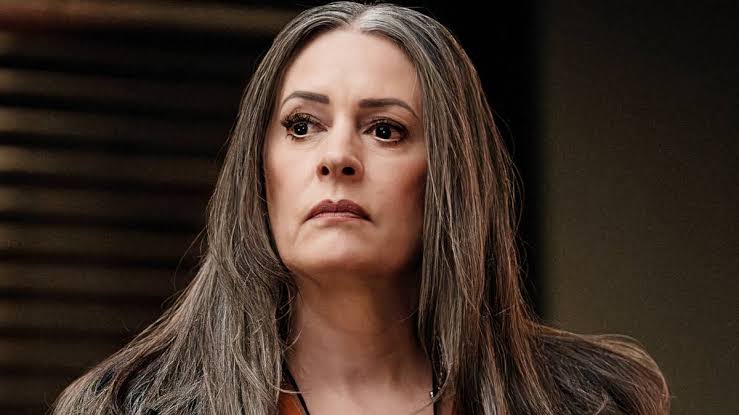
Emily Prentiss faces a different challenge.
As unit chief, Paget Brewster’s character cannot allow familiarity to become assumption.
A new investigation may resemble something from the BAU’s past without actually following the same psychological logic.
That distinction matters.
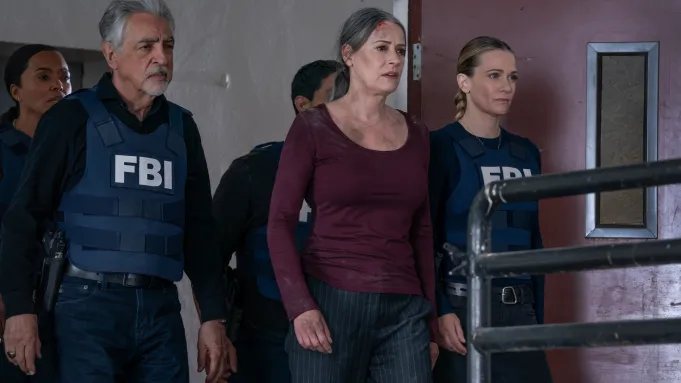
Prentiss must listen when Rossi recognizes an old pattern while remaining open to Tara challenging that interpretation. She must consider JJ’s instincts, Garcia’s findings and Alvez’s observations without allowing the team to become trapped by its own history.
Leadership becomes a balancing act between experience and reinvention.
The BAU knows a great deal.
But sometimes believing you already understand a situation can be more dangerous than admitting you do not.
Prentiss must ensure the team remembers that.
JJ Carries Emotional History Into Every New Investigation
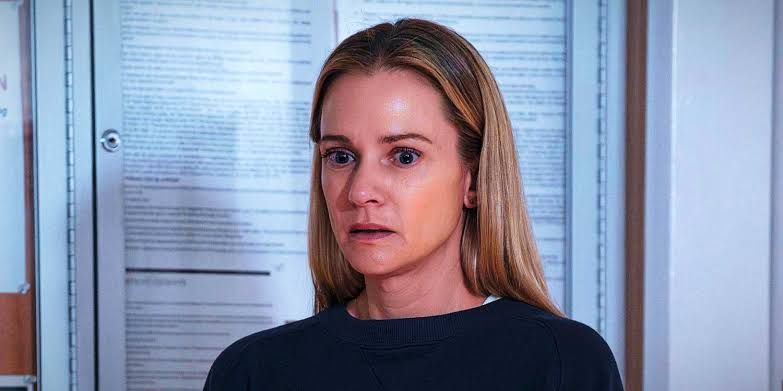
For Jennifer Jareau, the past has always been personal.
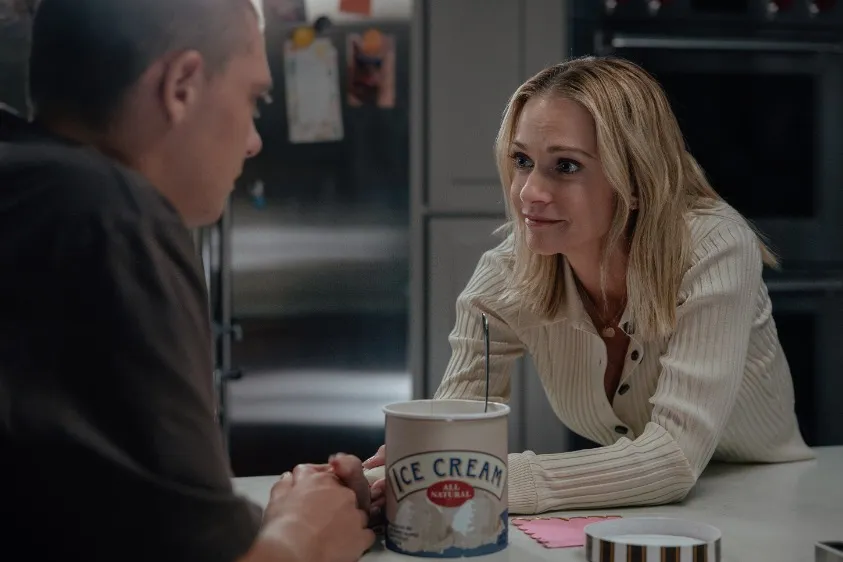
A.J. Cook’s character has spent years balancing an emotionally demanding profession with the responsibilities and relationships waiting beyond the BAU.
Season 19 makes that separation increasingly difficult.
JJ has changed because of everything she has experienced.
That does not make her weaker.
It makes her more perceptive.
She understands how quickly certainty can disappear and how profoundly one event can reshape an ordinary life.
That awareness can make JJ particularly effective when speaking with people caught inside difficult circumstances.
But empathy comes with a cost.
Every investigation can remind her of something she has experienced herself.
Season 19 therefore gives JJ a difficult task: use everything the past has taught her without allowing it to determine how she sees the future.

Garcia Discovers That Information Has Memory
Penelope Garcia has always been the BAU’s gateway into an enormous digital world.
Kirsten Vangsness’ character can take fragments of information and uncover connections that transform an investigation.
But old data can carry its own dangers.
Archived records do not disappear.
Neither do online discussions, forgotten accounts or digital traces left behind years earlier.
If someone has studied the BAU’s past, Garcia may be the first person capable of proving it.
That possibility makes her work more psychologically complicated.
She is no longer simply searching for information about the current investigation.
She may be examining the digital ghosts of cases the team hoped never to revisit.
Garcia’s emotional openness also makes those discoveries especially meaningful. She remembers the human cost behind the files on her screens.
To everyone else, a database may contain information.
To Garcia, it contains people.
Tara Lewis Challenges the Familiar Profile
Dr. Tara Lewis brings a crucial perspective whenever the evidence seems almost too recognizable.
Aisha Tyler’s character understands that similar behavior does not necessarily mean identical motivation.
Two people can make comparable choices for entirely different psychological reasons.
That makes Tara essential when Season 19 begins connecting current investigations to older BAU cases.
While Rossi may recognize history, Tara can ask whether the psychology underneath it has changed.
Is someone repeating a pattern because they share the same motivation?
Are they imitating something they have studied?
Or do they want the BAU to believe the connection is stronger than it really is?
Those questions prevent familiarity from becoming certainty.
And in an investigation built around echoes of the past, uncertainty may be exactly what keeps the team from following the wrong profile.
Luke Alvez Has to Act Without Perfect Answers
For Luke Alvez, psychological uncertainty creates an immediate practical problem.
Adam Rodriguez’s character frequently operates where analysis becomes action.
He can listen to theories from Rossi, Tara and JJ, but eventually the BAU has to make a move.
What happens when those theories point in different directions?
Alvez must trust the team while remaining alert to the possibility that someone is deliberately manipulating the evidence.
His loyalty makes the situation even more personal.
Luke has become deeply connected to the BAU family.
If an investigation begins targeting emotional pressure points rather than simply challenging the team professionally, his instinct will be to protect the people around him.
That instinct is powerful.
Season 19 asks whether it can also be predicted.
The Job Does Not End When the Case Closes
This may be Season 19’s most important theme.
The original Criminal Minds often moved from one investigation to another, but Evolution has increasingly emphasized that emotional consequences do not follow procedural television schedules.
People remember.
Agents remember too.
Rossi cannot erase decades of difficult cases.
JJ cannot separate herself completely from everything she has experienced.
Garcia cannot simply stop caring because an investigation is officially over.
Prentiss carries responsibility for decisions made under enormous pressure.
Tara and Alvez bring their own experiences into whatever comes next.
A closed file therefore represents an administrative ending.
Emotionally, the story may continue for years.
Trust Becomes the BAU’s Best Defense
If old investigations begin influencing new ones, the BAU needs something stronger than institutional memory.
It needs trust.
That has always been the team’s greatest advantage.
Prentiss trusts Rossi’s experience but knows when to challenge him.
Rossi respects JJ’s instincts.
Garcia understands her colleagues well enough to notice when something is wrong.
Tara can question an interpretation without undermining the person who offered it.
Alvez knows when analysis needs to become action.
Those relationships have developed across years of shared experiences.
An opponent may study BAU files.
They may understand profiling terminology.
They might even predict how an individual agent usually responds.
What is far harder to reproduce is the instinctive communication between people who have worked together long enough to become family.
Season 19 Turns the BAU’s History Into Its Biggest Test
That is what makes the premise of Season 19 so compelling.
Criminal Minds is not simply returning to old ideas.
It is asking what those ideas mean to characters who have lived with them for years.
The past becomes evidence.
Memory becomes both an advantage and a burden.
And experience becomes something the BAU must constantly question rather than blindly trust.
The team will continue doing what it has always done: analyze behavior, search for patterns and follow the evidence toward the truth.
But Season 19 suggests that finding the truth may no longer be enough.
The profilers must also confront what their work has taken from them — and what has somehow survived.
After everything they have faced, the BAU remains together.
Changed, certainly.
More cautious, perhaps.
But still connected by the unusual family they built inside a profession defined by uncertainty.
Old files can be reopened.
Familiar patterns can return.
The past can cast a long shadow over the present.
Yet the BAU has something the darkness surrounding its investigations has repeatedly failed to understand.
These profilers do not carry that history alone.
And in Criminal Minds Season 19, that bond may once again become the most important part of the profile.