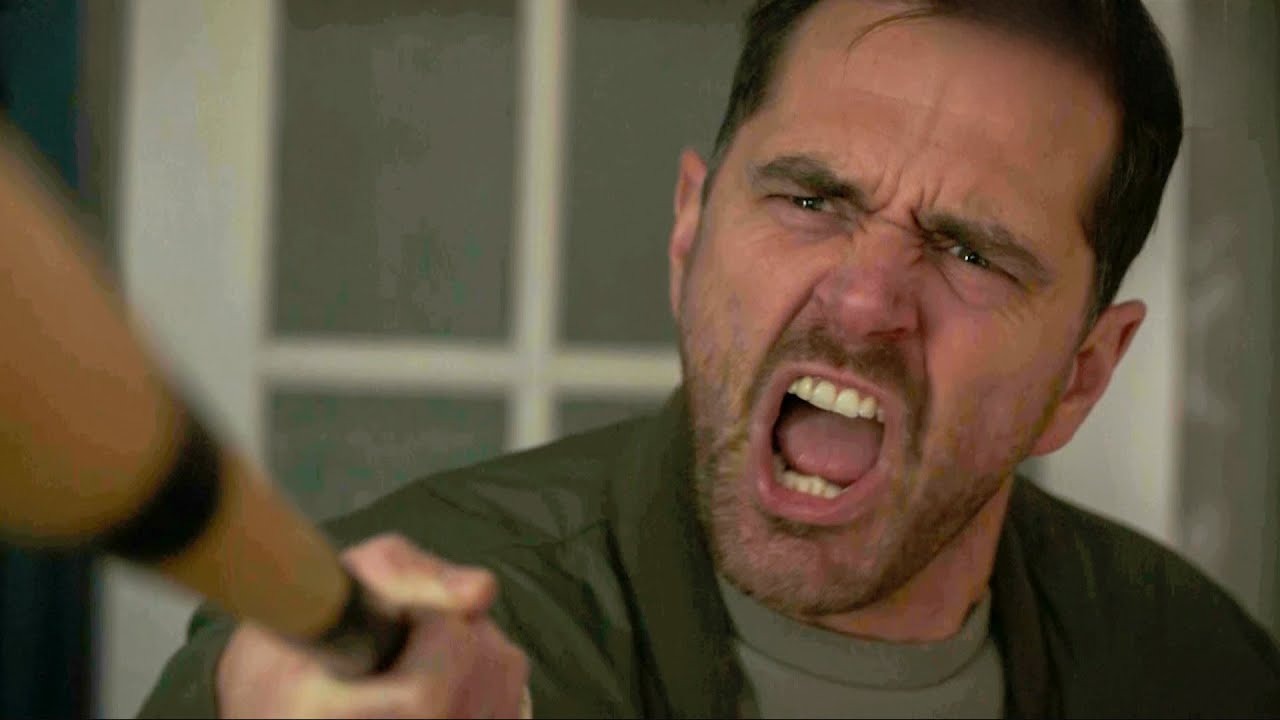
Casualty: Confronting His Attacker As Storm Damage Turns A Rescue Into A Personal Battle
Storm damage can turn an ordinary emergency into a fight for survival in seconds, and Casualty knows exactly how to make those moments feel personal. When a dangerous situation brings one of the medical team face-to-face with the person responsible for his suffering, the line between professional duty and personal anger becomes dangerously thin.
What begins as another crisis created by severe weather could quickly develop into something far more emotional. With lives at risk, tempers running high and an attacker refusing to disappear into the chaos, the pressure on everyone involved could become almost unbearable.
A Storm Turns A Difficult Situation Into A Nightmare
The aftermath of a violent storm is never simply about clearing debris or treating minor injuries. Damaged buildings, unstable structures and unpredictable conditions can create new dangers long after the worst of the weather has passed.
For the emergency responders caught in this situation, there may be little time to stop and think. Their priority is to reach those who need help, even when the environment around them remains dangerous.
But this particular emergency carries an additional complication.
Someone connected to the crisis may still be nearby — and confronting that person could force a firefighter, paramedic or member of the medical team to deal with emotions that have been building beneath the surface.
He Finally Comes Face-To-Face With His Attacker

The title of this Casualty story says it all: confronting an attacker changes the nature of the emergency.
For someone who has already been hurt, seeing the person responsible can trigger anger, fear and disbelief all at once. The instinct to demand answers may be overwhelming, particularly when there has been little opportunity to process what happened.
Yet confronting an attacker is never as simple as asking why.
The person on the other side may react unpredictably, potentially turning an already dangerous situation into an even greater threat. What should be a moment of accountability could instead become another fight for control.
That tension gives the storyline a powerful emotional edge.
Professional Duty Collides With Personal Anger
One of the strongest themes Casualty regularly explores is the conflict between what people feel and what their jobs demand from them.
Emergency workers are trained to stay focused during moments of extreme pressure. They are expected to assess injuries, protect patients and make decisions based on what is safest.
But they are human.
If the person standing in front of them is responsible for something deeply traumatic, maintaining that professional distance becomes much harder.
The confrontation could force the character to decide whether he wants revenge, answers or simply the chance to finally stand up to the person who caused him harm.
Those are very different goals — and confusing them could have serious consequences.
The Storm Becomes A Symbol Of The Emotional Chaos
The physical destruction caused by the storm provides the perfect backdrop for the emotional turmoil unfolding around the characters.
Buildings can be repaired. Roads can eventually be cleared. Damaged property can be replaced.
Emotional wounds are far more complicated.
The storm’s destruction could mirror what the character is experiencing internally. His sense of security may have already been damaged, and confronting his attacker could bring all those feelings back to the surface.
Instead of offering closure, the encounter may force him to relive the fear and anger he has been trying to control.
That could make the aftermath just as important as the confrontation itself.
Colleagues Could Be Forced To Step In
A confrontation of this nature is unlikely to remain a private matter for long.
If emotions escalate, colleagues could find themselves caught between protecting their teammate and preventing the situation from becoming even more dangerous.
That creates another layer of tension.
They may understand exactly why he is angry, but understanding someone’s pain does not necessarily mean allowing them to act on it. The people around him may have to remind him that confronting an attacker does not mean abandoning the principles that define him as an emergency professional.
Their intervention could become crucial if the situation spirals.
The Attacker Could Have More To Lose
The person being confronted may also realize that the balance of power has changed.
Whatever control the attacker once believed he had could disappear when his victim refuses to back down. That reversal could create an explosive dynamic, particularly if the attacker attempts to intimidate, manipulate or provoke him.
But the more the attacker pushes, the more difficult it could become for everyone to predict what happens next.
Could the confrontation reveal something about the original incident?
Could there be another motive behind the attack?
And could the storm damage have brought these two people together at precisely the worst possible moment?
Those questions could turn a single confrontation into a much larger mystery.
Survival Is Only The Beginning
Even if the immediate danger ends without further tragedy, the emotional consequences may continue.
For the victim, confronting his attacker could provide a sense of control that he has been missing. But it could also leave him questioning whether he handled the situation correctly.
There is a complicated difference between standing up for yourself and allowing anger to dictate your actions.
That distinction could become one of the most important elements of the storyline.
The character may have survived the original attack, but surviving the psychological aftermath could prove to be an entirely different challenge.
The Hospital Could Feel The Fallout
Back at the hospital, colleagues may notice that something has changed.
Emergency departments are places where personal struggles rarely remain completely hidden. A character who suddenly becomes withdrawn, angry or unusually distracted could find it difficult to separate his private emotions from his professional responsibilities.
That could affect relationships with coworkers and potentially create new tensions within the team.
Some colleagues may encourage him to talk. Others could worry that the confrontation has put him at greater risk.
The result could be an emotional storyline that extends well beyond the original emergency.
Casualty Shows The Human Side Of Heroism
What makes this kind of story especially effective is that it does not need to portray heroism as simple.
Being brave does not mean being fearless.
Being a professional does not mean having no emotions.
And surviving something terrible does not mean immediately moving on.
By placing a deeply personal confrontation inside the chaos of a storm emergency, Casualty can explore the complicated reality behind the people who spend their lives helping others.
They can save lives while still struggling with their own pain.
One Confrontation Could Change Everything
The most significant consequence may not be what happens during the confrontation, but what happens afterward.
The character could emerge stronger, more determined and finally ready to reclaim control of his life. Alternatively, the encounter could expose wounds that still need to be addressed.
Either way, he may no longer be able to pretend that the past has disappeared.
The attacker may have believed the confrontation would give him another opportunity to intimidate his victim. Instead, it could become the moment when that victim finally refuses to be defined by what happened to him.
What Happens Next On Casualty?
The storm may eventually pass, but the emotional damage could remain.
As the emergency team deals with the aftermath, questions about accountability, personal safety and emotional recovery could become increasingly important. The confrontation may be over, but its consequences could continue to affect relationships, careers and decisions in the episodes ahead.
For Casualty, that is where the real drama begins.
Because sometimes the most difficult rescue is not saving someone from a collapsed building or a dangerous storm.
Sometimes it is helping someone reclaim the part of themselves that was damaged long before the emergency sirens began.