Maggie and OA Acting Like Siblings for 3 Minutes and 16 Seconds | FBI Humor
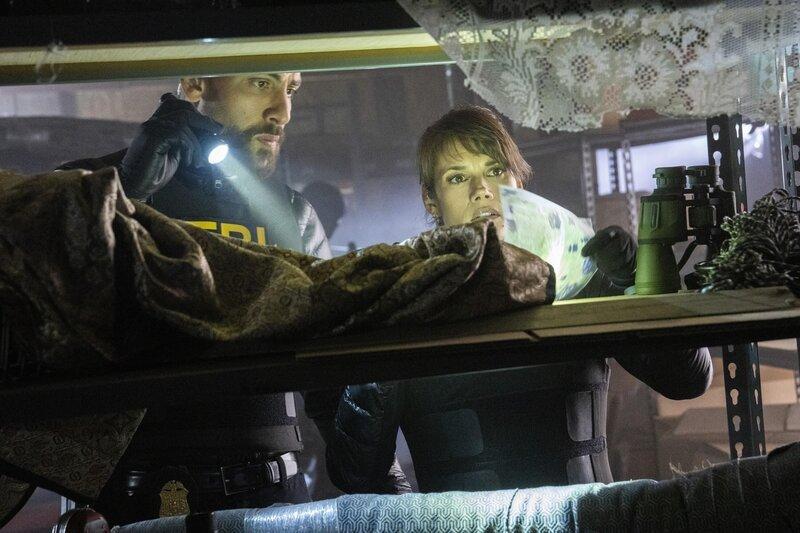
For a series built around investigations, dangerous assignments and high-pressure decisions, FBI has always understood the value of giving its characters small moments that remind viewers they are people before they are agents. Few partnerships demonstrate that better than Maggie Bell and Omar Adom “OA” Zidan. After working together for years, Maggie and OA have developed the kind of relationship where a look, a sarcastic comment or a perfectly timed reaction can make them seem less like coworkers and more like siblings who have known each other forever.
Missy Peregrym and Zeeko Zaki are a major reason the dynamic works. Maggie and OA rarely need lengthy conversations to demonstrate how comfortable they have become around each other. Their chemistry often appears in the spaces between the serious moments: conversations in the car, reactions during briefings, disagreements about how to approach a situation or those occasions when one of them realizes the other is about to do something stubborn.
Maggie frequently gives OA the expression of someone who already knows exactly what he is going to say and has decided she disagrees before he finishes saying it. OA can respond with an equally familiar look that suggests he has experienced this conversation many times before.
That is where the sibling comparison becomes so entertaining.
They can challenge each other without making the partnership feel unstable.
Maggie can question OA’s decision because she trusts him enough to be direct. OA can push back against Maggie because he knows she would rather hear an uncomfortable truth than receive empty agreement. Their disagreements therefore rarely feel like evidence that their partnership is falling apart.
They feel like evidence that the partnership is strong enough to survive disagreement.
One of the funniest recurring elements is how quickly Maggie and OA can move between professional seriousness and personal teasing. They might be discussing an investigation one moment before a small comment suddenly produces an eye roll or amused reaction from the other.
Then the situation becomes serious again, and both immediately return to work.
That transition is important because FBI does not need to transform Maggie and OA into comedy characters to make them funny. The humor works precisely because it appears naturally inside an otherwise serious relationship.
OA’s reactions are especially effective.
Sometimes Maggie doesn’t even need to say anything particularly funny. OA’s expression communicates everything. He can look skeptical, confused or mildly exasperated in a way that makes the interaction feel like two siblings silently arguing in front of everyone else.
Maggie has her own version.
She can give OA a look that essentially says, “Are you really doing this right now?”
And OA usually understands immediately.
That shorthand could only develop after years of working together.
Their partnership began very differently. When FBI introduced Maggie and OA, they were two experienced agents learning how the other operated. Trust existed professionally, but the deeper familiarity viewers recognize today had to develop through countless investigations.
They have since witnessed each other under extraordinary pressure.
OA has seen Maggie during some of the most emotionally difficult periods of her life.
Maggie has watched OA confront situations connected to his identity, his past and his personal relationships.
Both have experienced moments when professional confidence wasn’t enough.
Those experiences changed their partnership.
Eventually, asking “Are you okay?” stopped sounding like something one coworker politely asks another. When Maggie asks OA, she genuinely needs to know the answer. When OA realizes Maggie is struggling, he notices details other people might overlook.
That is the serious foundation underneath all of the sibling-style humor.
They tease because they trust.
They argue because they care.
And they can occasionally annoy each other because neither believes one disagreement is going to destroy what they have built.
Maggie’s stubbornness provides plenty of material. She has a tendency to keep pushing when she believes something needs to be done, even when people around her might prefer she slow down. OA knows that side of her extremely well.
Sometimes he challenges it.
Sometimes he accepts that changing Maggie’s mind is probably impossible.
And sometimes his expression alone suggests he has decided to conserve his energy for the next argument.
OA can be equally stubborn.
His convictions are strong, and when he believes something matters, he is unlikely to abandon his position simply because someone disagrees. Maggie understands this, which means their conversations can occasionally resemble two people attempting to determine which one gets to be the responsible sibling.
Usually, neither qualifies.
That dynamic becomes especially entertaining around the rest of the FBI team.
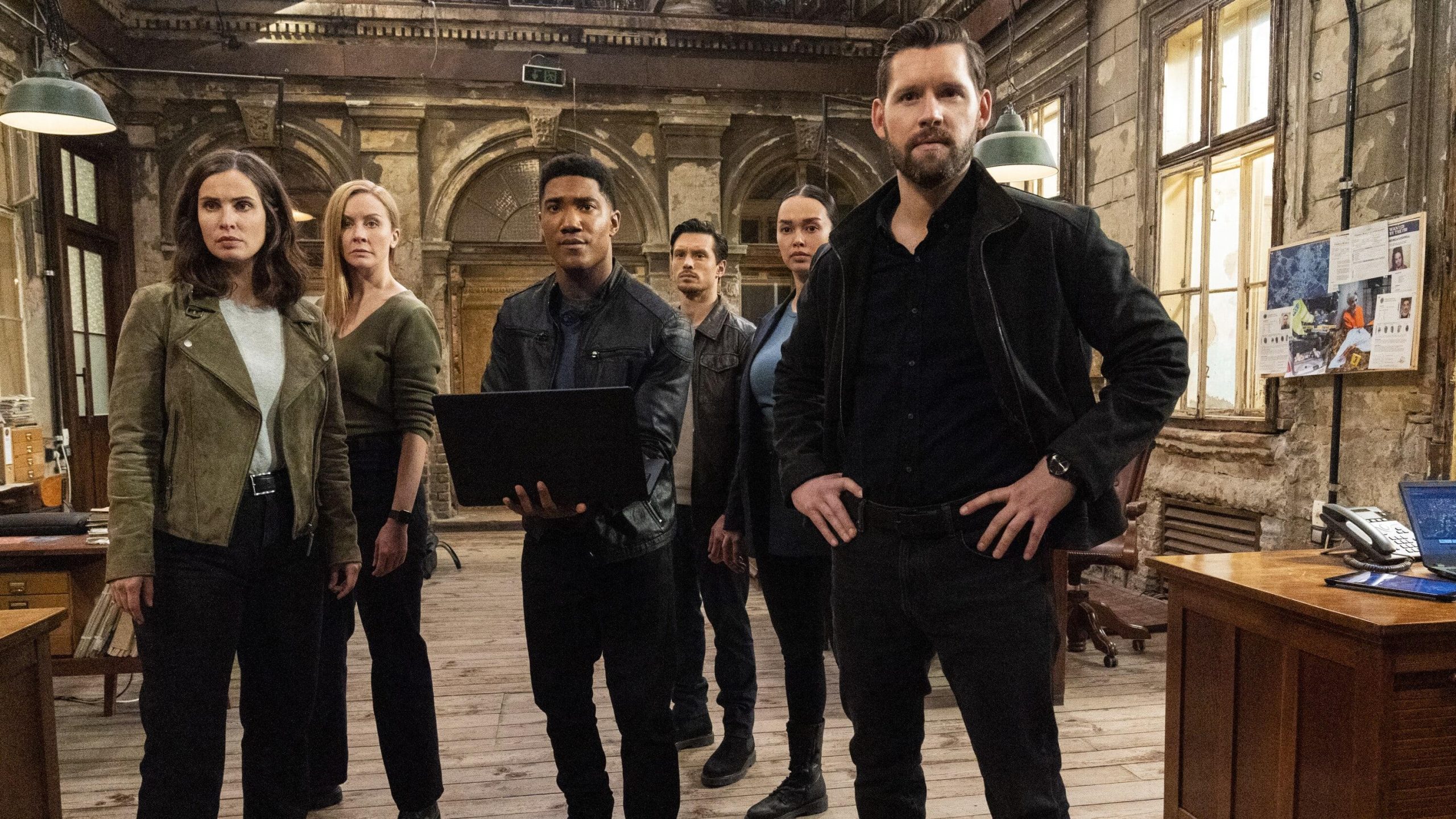
Jubal Valentine has spent enough time around Maggie and OA to understand their partnership. Isobel Castille likewise knows that the pair can disagree intensely and still function perfectly once an operation begins.
Scola and other agents can sometimes find themselves observing the Maggie-and-OA dynamic from the outside, where it becomes even easier to see how familiar they are with each other.
Yet one of the most important aspects of their relationship is what FBI has not needed to do with it.
The series does not need to force Maggie and OA into a conventional romance to justify their closeness.
Their partnership already matters.
Television often treats deep emotional intimacy between male and female characters as something that must eventually become romantic. Maggie and OA demonstrate that another kind of relationship can be equally compelling.
They are partners.
They are friends.
At times, they behave like family.
And occasionally, they absolutely act like siblings who have been trapped together in a car for several hours.
That last version is where a “3 minutes and 16 seconds of Maggie and OA acting like siblings” compilation becomes particularly fun.
Imagine the rhythm of those moments.
Maggie gives OA a look.
OA realizes he is being judged.
OA says something anyway.
Maggie responds with dry disbelief.
OA looks offended for approximately two seconds.
A new development arrives.
Both immediately become serious federal agents again.
Then five minutes later, the process starts over.
What makes those interactions memorable isn’t necessarily the dialogue itself. It is the familiarity underneath it.
Maggie knows OA’s habits.
OA knows Maggie’s.
Neither can easily fool the other.
If Maggie says she is completely fine when she clearly isn’t, OA is unlikely to accept the answer.
If OA attempts to dismiss something that is bothering him, Maggie can recognize that too.
Their ability to read each other has practical value during investigations, but it also creates many of their best character moments.
A glance across a room can communicate a warning.
A raised eyebrow can become an entire conversation.
A sarcastic remark can release the tension after an exhausting day.
And an argument can end without either character needing to apologize dramatically because both already understand where the other was coming from.
That is the difference between simple television banter and a relationship that feels lived-in.
Missy Peregrym and Zeeko Zaki have had years to develop those rhythms, and it shows.
Their scenes no longer feel like two performers trying to demonstrate that their characters are close.
Maggie and OA simply behave like people who are close.
That authenticity also makes the serious moments stronger.
When OA worries about Maggie, viewers understand why.
When Maggie refuses to leave OA facing something alone, viewers understand why.
When one becomes protective of the other, it does not suddenly appear because the episode requires an emotional moment.
The groundwork has already been established through years of smaller interactions.
Including the ridiculous ones.
Especially the ridiculous ones.
Because real relationships aren’t built exclusively during enormous crises.
Sometimes they’re built through teasing someone about an annoying habit.
Sometimes they’re built through sitting together in a car for hours.
Sometimes they’re built through knowing exactly what expression your partner is about to make before you finish your sentence.
And sometimes they’re built through realizing that the person beside you has become family without either of you ever officially deciding that happened.
Maggie and OA have reached that point.
Their partnership is one of FBI’s most durable relationships because it can handle almost every tone the show requires. They can carry an emotionally difficult episode. They can operate together during a tense investigation. They can disagree about serious moral questions.
And then they can spend thirty seconds looking at each other like siblings arguing over who started it.
That combination keeps the relationship fresh.
After years together, Maggie and OA don’t need another enormous twist to prove how important they are to each other.
Sometimes three minutes and sixteen seconds of eye rolls, teasing, silent judgment and perfectly timed reactions can explain the entire relationship better than a dramatic speech ever could.
They may officially be FBI partners.
But every once in a while, Maggie Bell and OA Zidan look remarkably like a brother and sister who just happen to carry badges.