Special Agents Work Together To Find a Sniper [CLIP] | FBI | TNT
FBI is at its best when an investigation forces the entire team to work as a single unit, and a case involving a hidden sniper creates exactly that kind of pressure. Instead of giving Maggie Bell, OA Zidan and their colleagues the luxury of slowly assembling evidence, the agents have to identify an unknown attacker while confronting the possibility that another incident could occur before they understand who they are looking for.
The tension begins with uncertainty. Investigators know they are dealing with a serious threat, but knowing that someone is responsible and knowing where to find that person are two completely different things. Every witness statement, camera angle and piece of physical evidence could potentially move the investigation forward, but a wrong assumption could also send the team in the opposite direction.
That makes coordination essential.
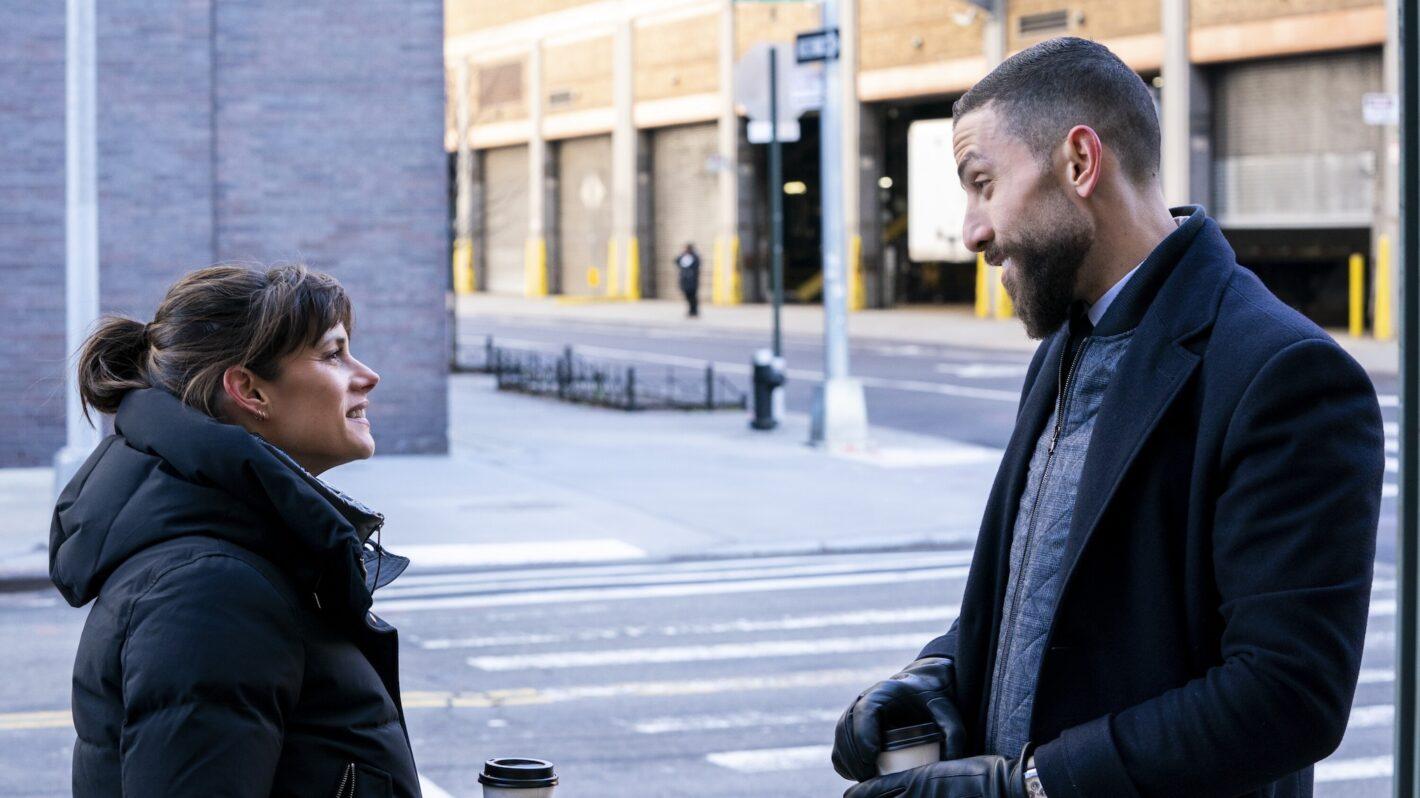
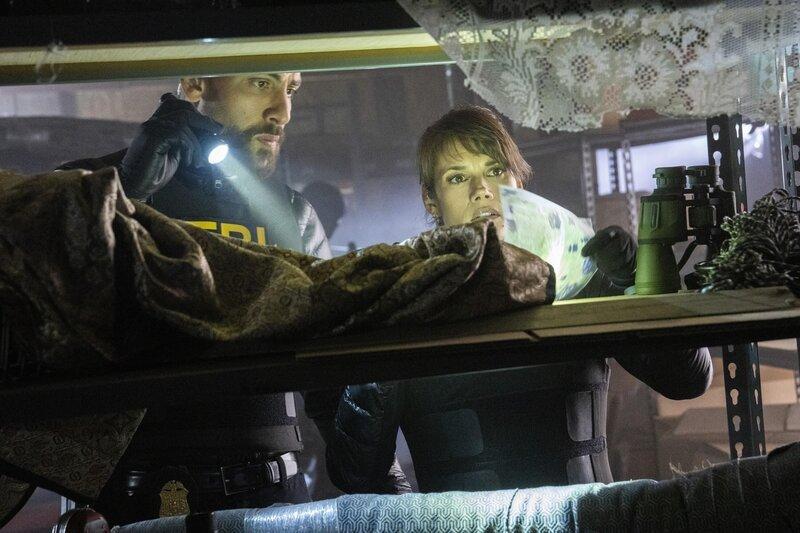
Maggie and OA naturally become central to the field investigation. Their years as partners give them an advantage because they rarely need lengthy explanations to understand what the other is thinking. Maggie can pursue one part of a lead while OA immediately recognizes what information they still need, allowing them to divide responsibilities without losing sight of the larger investigation.
Their different personalities also help.
Maggie is persistent and instinctive. When something about a witness or timeline does not make sense, she tends to keep pushing until she understands why.
OA brings a different kind of focus. He is disciplined, observant and often particularly effective at recognizing when emotion is beginning to interfere with an investigation.
Together, those qualities make them difficult to mislead.
But this isn’t a case Maggie and OA can solve alone.
Jubal Valentine becomes crucial from the Joint Operations Center, where seemingly unrelated pieces of information can be connected. While field agents interview witnesses and follow physical leads, Jubal and the analysts can examine timelines, communications and other available evidence to determine whether the team’s assumptions actually fit.
That relationship between the field and the JOC is one of FBI’s defining strengths.
A clue discovered by Maggie might initially appear insignificant.
OA could recognize its connection to something a witness said.
The information can then be sent back to Jubal.
Within minutes, another agent or analyst might discover that the detail connects to a person already appearing somewhere else in the investigation.
Suddenly the team has a direction.
Isobel Castille has another responsibility entirely.
While everyone else concentrates on finding the person responsible, Isobel has to consider the larger consequences. Does the incident represent an isolated attack? Is someone deliberately targeting particular individuals? Could there be another location at risk?
Those decisions matter because federal resources cannot simply be deployed everywhere simultaneously.
The team has to determine where the greatest danger exists.
That creates the kind of pressure FBI repeatedly uses effectively: the agents are not merely trying to solve what has already happened. They are trying to understand what might happen next.
Maggie and OA consequently have to treat every conversation as potentially important.
A witness who remembers a vehicle.
Someone who noticed unusual activity.
A person connected to one of the victims.
A timeline that doesn’t quite match.
None of those details automatically identifies the attacker, but together they can begin narrowing the possibilities.
Scola and the other agents become equally valuable once multiple leads have to be pursued simultaneously. One pair cannot interview everyone, check every location and follow every developing lead. The investigation succeeds only when the team trusts each other enough to separate and then rapidly combine what they discover.
That is the real meaning behind “special agents work together.”
It isn’t simply several FBI agents appearing in the same scene.
Each person has a specific role.
Field agents obtain information.
Analysts organize it.
Jubal coordinates.
Isobel makes broader operational decisions.
And once enough pieces align, the team can move from reacting to the threat to actively closing in on the person responsible.
The investigation also demonstrates why Maggie and OA’s partnership remains so important to the series.
They can disagree about a lead without wasting time turning the disagreement into a personal conflict. If Maggie believes someone is withholding information, OA can challenge her interpretation. If OA notices something she has overlooked, Maggie adjusts.
Neither needs to be right every time.
They simply need to reach the right answer together.
That distinction becomes especially important during a case where fear can produce unreliable information.
Witnesses may remember events differently because everything happened quickly.
People may become convinced they saw something they only partially observed.
Others may omit details because they are frightened or because they don’t initially understand their significance.
The agents therefore have to separate what people believe happened from what the evidence actually supports.
As the investigation narrows, the atmosphere changes.
Early in the case, almost everything is uncertain.
Later, individual clues begin reinforcing each other.
A timeline matches.
A connection becomes clearer.
A potential motive starts making sense.
And suddenly the person the FBI has been searching for no longer feels invisible.
This is where the entire team has to remain disciplined.
Discovering a likely suspect does not automatically mean the danger is over. The agents still have to locate the person and bring the situation under control while minimizing further risk to the public.
The clip’s suspense comes from that race.
Maggie and OA know what is at stake.
Jubal knows time matters.
Isobel knows one incorrect decision could have serious consequences.
Nobody gets to operate independently simply because they believe they have figured everything out.
They communicate.
They verify.
They move together.
That teamwork is ultimately more important than any single dramatic moment.
FBI frequently deals with enormous threats, but the show’s strongest episodes emphasize that investigations are rarely solved because one brilliant agent suddenly discovers everything. They are solved because many people contribute pieces of information until the larger picture becomes visible.
Maggie might find the clue that changes the direction of the case.
OA might recognize why it matters.
Jubal might connect it with another lead.
An analyst might locate the missing piece.
Scola might reach the next witness.
Isobel might authorize the decision that allows everyone to act.
Each contribution matters.
The sniper investigation is therefore an effective demonstration of why the team works.
They have different personalities and different responsibilities, but when the situation becomes urgent, those differences become strengths rather than obstacles.
Maggie and OA remain at the center because their partnership represents the same principle on a smaller scale.
Neither agent needs to solve everything alone.
Maggie trusts OA.
OA trusts Maggie.
Both trust the people supporting them from the JOC.
And the entire team understands that finding the person responsible before the situation escalates depends on everyone doing their part.
That is what makes this kind of FBI sequence compelling without needing exaggerated twists.
The danger establishes the urgency.
The investigation creates the mystery.
But the teamwork provides the payoff.
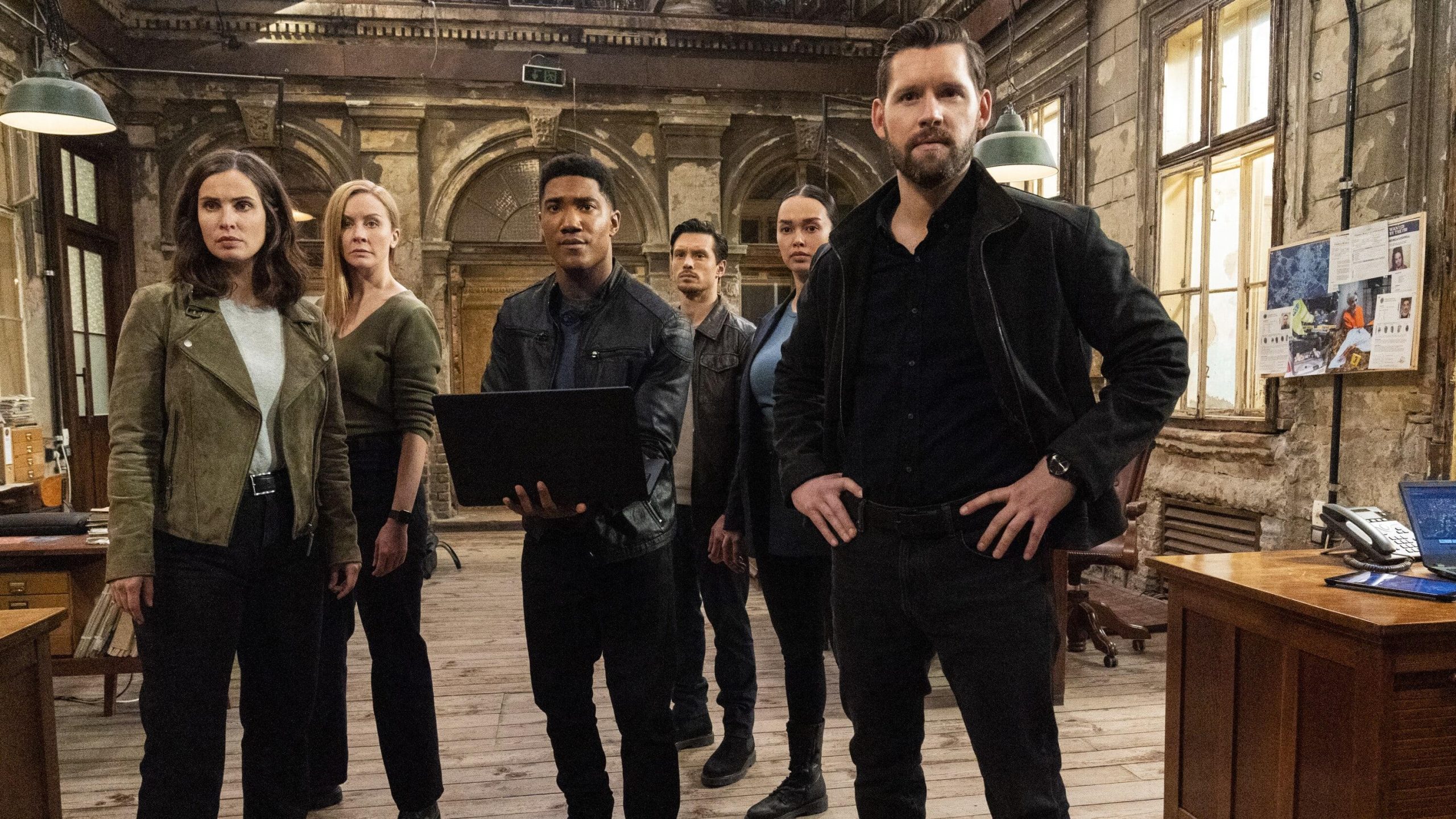
When Maggie, OA, Jubal, Isobel and the rest of the team begin combining their information, an apparently impossible search gradually becomes something they can solve.
And that remains one of FBI’s most satisfying formulas: one serious threat, dozens of scattered clues and a team capable of turning those fragments into an answer before time runs out.