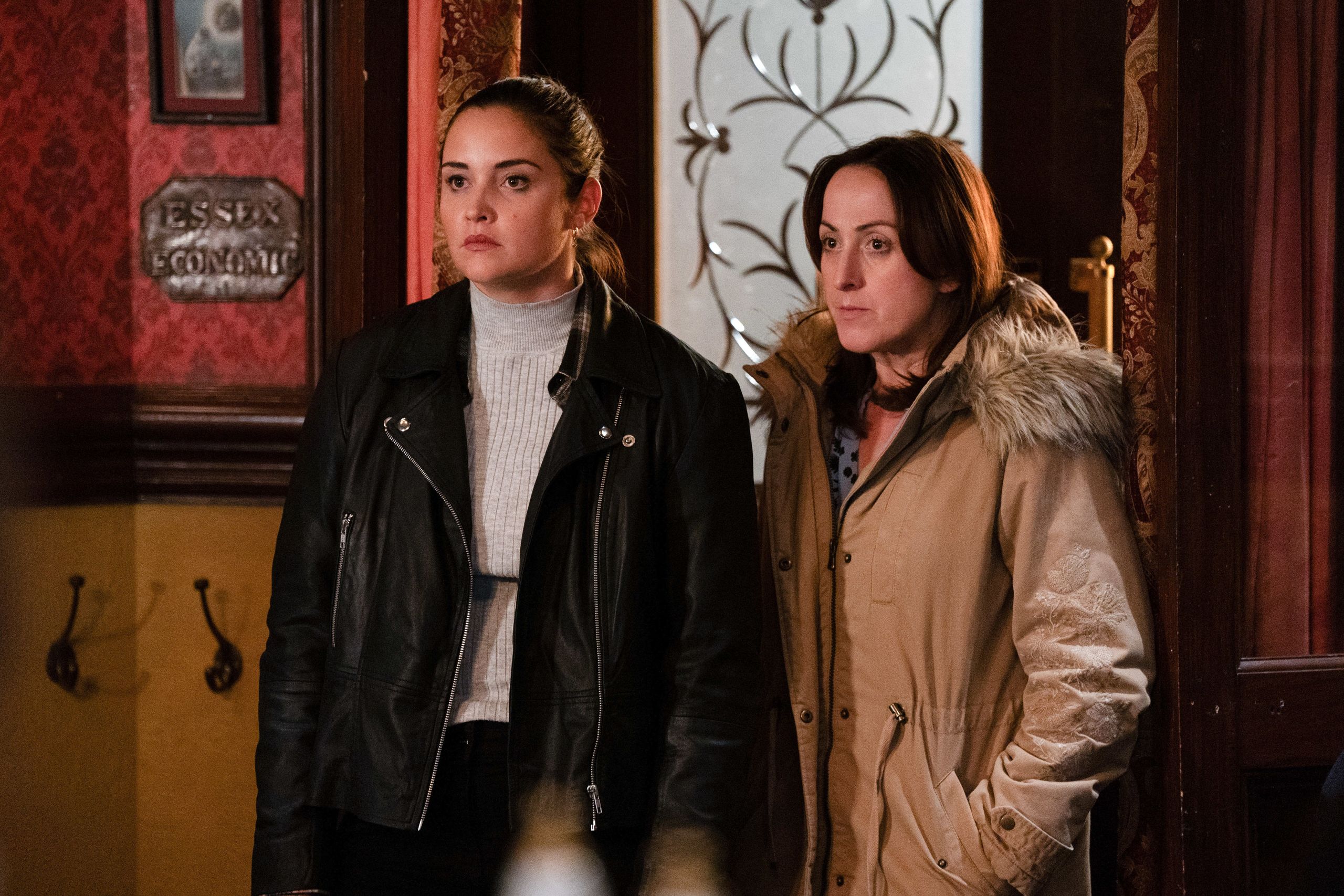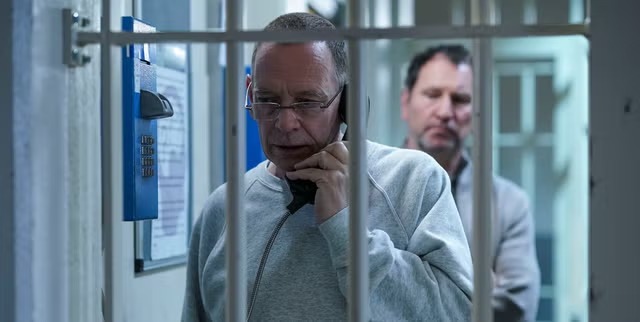
A sensational EastEnders storyline could see Ian Beale facing the most devastating consequences of his life after a shocking confrontation with Gray Atkins allegedly ends with Ian being sentenced to 15 years in prison. The possibility of such a dramatic twist would send shockwaves through Walford, particularly because Ian has spent decades at the centre of some of the Square’s biggest scandals, family conflicts and personal crises. However, the claim should be treated as a fictional or speculative storyline rather than confirmed news.
There is no reliable evidence establishing that Ian Beale has actually been sentenced to 15 years following an attack on Gray Atkins. Even so, imagining how such a storyline could unfold highlights the enormous dramatic potential of bringing these two troubled characters into direct conflict. Gray’s history has already left a lasting mark on Walford, and any confrontation involving him would immediately carry serious emotional weight. Ian, meanwhile, has never been a character who quietly accepts threats or humiliation. If Gray somehow returned to the centre of the story and became involved in a confrontation with Ian, the situation could escalate rapidly.
Ian might initially believe that he can talk his way out of trouble, but Gray could push him beyond his limits. An argument could begin over an old grievance, a family secret or something that threatens Ian’s future. As tempers rise, Ian could make a decision that changes everything. If Gray were seriously injured during the confrontation, Ian could suddenly find himself facing questions from the police and the people closest to him. The shock would spread quickly across Walford. Cindy could struggle to understand what has happened, while Peter, Bobby or other members of Ian’s family could be forced to confront the possibility that Ian has crossed a line from which there is no easy return. The alleged 15-year sentence would then become the ultimate symbol of Ian losing control of his own destiny.
A man who has spent years trying to protect his family, business interests and reputation could suddenly lose his freedom because of one terrible moment. That contrast would make the storyline particularly powerful. Ian could insist that he never intended for the confrontation to go this far, but the courts would have to consider the evidence rather than his intentions. As details emerged, Walford residents could begin taking sides. Some might argue that Ian was defending himself, while others could believe that he should have walked away before violence became unavoidable. The resulting debate could divide the Square and place Ian at the centre of another unforgettable EastEnders crisis.
The courtroom drama could become even more intense if the prosecution presented evidence suggesting that Ian’s actions were not simply the result of a momentary loss of control. Perhaps witnesses claim that Ian threatened Gray before the confrontation, or evidence emerges showing that the two men had been involved in a bitter dispute for weeks.
Ian’s legal team could attempt to demonstrate that Gray was the aggressor, arguing that Ian feared for his safety. That defence could become complicated if important evidence contradicts his account. CCTV footage, witness statements or messages could reveal a different version of events, leaving Ian increasingly desperate to convince the court that he did not intend to cause serious harm. The emotional pressure would be enormous. Ian might watch as people he loves testify about his character, some defending him while others admit that they have struggled with his behaviour.
Cindy could find herself caught between supporting Ian and accepting that he may have made a terrible mistake. Their relationship could be pushed to breaking point as she asks whether Ian has finally gone too far. Other Walford residents could also have strong opinions. Characters who have known Ian for decades might remember both his good qualities and his more manipulative tendencies. Some could insist that he deserves another chance, while others might argue that repeated mistakes have finally caught up with him. The possibility of a 15-year sentence would make every courtroom appearance feel like a countdown.
Ian could desperately hope for a lighter punishment, only to discover that the judge views the circumstances as extremely serious. The prosecution could emphasize the severity of Gray’s injuries and the potential consequences of Ian’s actions, while the defence could highlight Ian’s family responsibilities and the possibility that he acted under extreme pressure. The verdict could then become one of the most emotionally charged moments of the storyline. Ian might enter court believing there is still a chance to save his future, only to hear the judge deliver a sentence that leaves him devastated.
Fifteen years would mean losing a huge portion of his life. His children could grow older without him, family milestones could pass while he remained behind bars, and the business and relationships he spent years building could change beyond recognition. Ian’s reaction could be heartbreaking because the reality of the sentence would finally become impossible to ignore. He might look toward his family and realize that the consequences extend far beyond himself. The dramatic question would no longer be whether Ian can escape punishment. It would be whether he can find a way to rebuild his identity after losing everything he once believed defined him.
Gray’s role in the storyline could create another layer of tension because his own complicated history would make the situation anything but straightforward. If Gray returned to Walford and became involved in a confrontation with Ian, other characters would inevitably question why he was there and what led to the clash. His past could become relevant to the investigation, particularly if Ian’s lawyers argue that Gray had a history of threatening or intimidating people.
That could create uncertainty around the evidence. Was Ian genuinely acting in self-defence, or did he allow anger to turn a confrontation into something much more serious? The answer could depend on what happened in the moments before the attack. EastEnders could deliberately keep viewers guessing by revealing information piece by piece. One episode might make Ian appear guilty, while another could expose evidence that suggests Gray was responsible for escalating the situation. The uncertainty would make the courtroom storyline even more gripping.
Meanwhile, Walford would struggle with the fallout. Cindy could be furious that Ian put the family through such a crisis, while simultaneously feeling unable to abandon him. Peter could question whether his father deserves his support, especially if the evidence appears increasingly damaging. Other residents might gossip about the case, turning Ian’s private tragedy into one of the Square’s biggest public controversies. For Ian, that loss of privacy could be unbearable. He might become increasingly isolated as people who once visited him begin distancing themselves. The possibility of spending 15 years in prison could also force Ian to reflect on his past.
He could remember previous mistakes and wonder whether his life might have been different if he had made different choices. Those memories could create a more vulnerable side to the character. Instead of the confident businessman viewers have often seen, Ian could become a frightened man confronting the possibility that his future has disappeared. The storyline could explore themes of accountability, regret and whether someone can change after making a devastating mistake.
Even if Ian insists that the attack was not intentional, he would still have to live with its consequences. Gray’s condition, the court’s decision and his family’s reaction could all determine what happens next. If Gray survives and testifies, his evidence could prove crucial. If he is unable to provide a statement, the prosecution might have to rely heavily on other evidence. Either way, the case could become a defining moment for both characters.

The sentencing itself could become one of the most dramatic sequences ever imagined for Ian Beale. After months of fear, arguments and uncertainty, Ian could finally stand before the judge and hear the decision that will determine the rest of his life. His lawyer might make one final emotional appeal, describing Ian’s family responsibilities and insisting that the attack occurred during an intense confrontation. The prosecution could argue that the severity of Gray’s injuries demands a significant punishment. Then the courtroom could fall silent as the judge announces the sentence.
Fifteen years. The words could leave Ian completely stunned. He might look toward his family, desperately searching for reassurance, but there may be nothing anyone can say. Cindy could break down, while Peter or another family member struggles to hold back tears. Ian could be taken away, turning back for one final look at the people he loves. That moment could symbolize the end of one chapter and the beginning of another. Outside the courtroom, Walford residents could react with disbelief. Some might argue that the sentence is deserved, while others could believe Ian has been punished too harshly. The debate could continue for weeks as the characters struggle with the consequences. Cindy might have to decide whether she can remain loyal to Ian throughout his long imprisonment.
His children could face difficult questions about their relationship with him. The family business could be placed under pressure, creating another crisis. Meanwhile, Ian himself would have to adapt to prison life and the reality that he cannot simply manipulate circumstances to get what he wants. For a character whose story has always involved survival, this could become his greatest challenge. He might initially fall into despair, blaming Gray, the police, the court or even his own family for what happened. Eventually, however, he could be forced to confront his own responsibility.
That could lead to an unexpected transformation. Ian might decide to use his time in prison to understand how his choices brought him to this point. Alternatively, resentment could consume him, creating the possibility of another dark chapter when he eventually becomes eligible for release. Either direction would give the storyline lasting consequences. The sentencing would not simply remove Ian from Walford; it could fundamentally change the character.

Ultimately, the claim that Ian Beale has been sentenced to 15 years after a shocking attack on Gray Atkins should be regarded as a dramatic speculative storyline rather than confirmed EastEnders news. Yet as a fictional scenario, it has all the ingredients of a major Walford crisis: violence, family conflict, courtroom suspense, betrayal and the possibility of a life-changing punishment. Ian’s long history in the Square would make his downfall particularly significant. He has survived countless scandals, family disputes and personal disasters, but a serious criminal conviction could be the one crisis from which he cannot simply walk away. Gray’s involvement would make the situation even more complicated because viewers would be forced to consider both men’s histories and motives.
Was Ian defending himself, or did anger push him too far? Did Gray provoke the confrontation, or did Ian create the danger through his own choices? Those questions could remain unanswered until the courtroom finally delivers its verdict. A 15-year sentence would then send Ian into an entirely new chapter, separating him from his family and forcing him to confront the consequences of his actions. Cindy could be left heartbroken, his children could struggle to understand what happened and Walford could become divided over whether Ian deserves sympathy.
The emotional aftermath could last far longer than the courtroom proceedings themselves. Ian would have to learn that some mistakes cannot be undone simply by apologizing or trying to regain control. If the character eventually returns to the Square after serving his sentence, he could be almost unrecognizable compared with the man who left. Perhaps prison would make him more reflective and determined to rebuild his relationships. Or perhaps bitterness would consume him, creating new conflicts when he finally returns home.
Either possibility would offer powerful storytelling. For now, however, the alleged 15-year sentence remains unverified. The real value of the premise lies in imagining how one shocking confrontation could completely transform Ian’s life and send consequences through the entire Beale family. In Walford, one moment of anger can become a lifetime of regret, and if Ian ever finds himself facing such a fate, the question would not simply be whether he can survive prison—it would be whether the people he loves will still be waiting for him when he finally comes home.