Dylan Keogh has always been the kind of person who keeps moving, even when the emotional wounds underneath the surface threaten to overwhelm him. In Casualty, however, the pressure of Dylan’s past becomes impossible to ignore as trauma therapy begins opening doors he may have spent years desperately trying to keep shut. The journey is not simply about remembering what happened; it is about confronting memories that have the power to change the way he understands himself and the people around him. As therapy begins to take Dylan into increasingly uncomfortable territory, fragments of his past emerge with frightening intensity. What initially appears to be an attempt to process old pain quickly becomes something far more disturbing when memories begin connecting to the mysterious events surrounding the “Lethal Legacy” storyline. Dylan may have believed that he understood the experiences that shaped him, but therapy forces him to question whether he has truly remembered everything.

The human mind can protect itself in extraordinary ways, particularly after overwhelming experiences, and Dylan’s fragmented recollections suggest that some truths may have remained buried for a reason. Every session becomes a battle between wanting answers and fearing what those answers might reveal. For someone accustomed to being the calm professional who helps others through moments of crisis, becoming the patient is an entirely different experience. Dylan cannot simply rely on medical knowledge to control what happens next. He has to sit with uncertainty, vulnerability and memories that refuse to remain safely in the past. The emotional impact is immense because the audience is invited to see a side of Dylan that is rarely exposed. Beneath his confidence lies someone carrying profound psychological scars, and those scars are beginning to reopen.
As Dylan continues his therapy, the memories become increasingly unsettling, raising questions about what really happened and why certain details have remained hidden for so long. At first, the recollections may appear disconnected: a sound, a face, a location or a fleeting image that seems meaningless on its own. But gradually, those fragments begin forming a darker picture.
Dylan finds himself struggling to distinguish between what he knows, what he remembers and what his traumatized mind may have concealed. The experience is emotionally exhausting, particularly because every breakthrough brings another frightening question. Rather than providing immediate relief, remembering may initially make Dylan feel even less secure. The more he uncovers, the more he may begin wondering whether someone deliberately kept the truth from him or whether his own mind created a protective barrier around memories too painful to confront. The possibility that his past is connected to a lethal legacy makes the situation even more dangerous. Dylan is not simply exploring old trauma for personal closure; what he discovers could have consequences for people around him. His professional instincts tell him to examine the evidence logically, but his emotional response threatens to overwhelm that clinical distance. There are moments when the smallest detail could trigger a powerful reaction, leaving Dylan shaken by something he cannot immediately explain. Those moments demonstrate how trauma can linger long after the original danger has passed. A person can build an entire life around surviving an experience while still carrying its consequences in unexpected ways. For Dylan, therapy becomes a confrontation with that reality. He must decide whether he is prepared to keep digging, knowing that the truth could be more painful than the uncertainty.
The most disturbing element of Dylan’s journey is the possibility that the memories he unlock could alter his understanding of someone he trusted. As the “Lethal Legacy” mystery deepens, familiar faces and old relationships may suddenly appear in a different light. Dylan could begin noticing connections that previously seemed insignificant, forcing him to revisit moments he thought he understood. The danger is that once suspicion takes hold, it becomes difficult to separate genuine evidence from fear. Dylan knows the importance of facts, yet his emotional history makes this investigation deeply personal. He cannot simply walk away from the memories once they surface. Every revelation has the potential to expose another layer of deception, and the possibility of betrayal could prove devastating.
Perhaps the most frightening question is whether Dylan was unknowingly connected to events that have continued affecting others long after he believed they were over. If his trauma is tied to a wider legacy, then therapy may have done more than help him remember—it may have given him the missing piece needed to understand a much larger threat. That discovery could put Dylan in an impossible position. Speaking the truth could protect others, but it could also make him a target. Remaining silent might feel safer, but it would leave the disturbing questions unanswered. His struggle becomes even more compelling because Dylan has spent so much of his life helping people in desperate situations. Now he may be the one who needs someone to stand beside him. His vulnerability creates a powerful emotional contrast, particularly when the person everyone expects to remain strong is finally forced to admit that he is frightened.
The therapy storyline also gives Casualty the opportunity to explore the complicated reality of recovery without reducing Dylan’s trauma to a simple mystery-solving device. His memories are not merely clues; they are painful experiences that have shaped his personality, his relationships and the way he responds to danger.
Every breakthrough carries an emotional price. Dylan may experience anger, confusion, grief and even guilt as he begins confronting what has been buried inside him. He may wonder whether he should have remembered sooner or whether he could somehow have prevented what happened. Those questions could become particularly painful if other people were affected by the same events. Yet therapy may also give Dylan something he has been missing: the opportunity to understand that surviving trauma is not the same as being responsible for it. His journey could therefore become one of the most emotionally significant stories surrounding the “Lethal Legacy” plot. The disturbing memories may initially feel like a threat, but confronting them could ultimately become a path toward reclaiming control. That does not mean the process will be easy. There may be setbacks, moments when Dylan wants to abandon therapy and revelations that leave him questioning everything. But each step forward could bring him closer to understanding both his past and himself. The people around Dylan may also struggle to know how to help him. Some could encourage him to keep going, while others may fear what his discoveries could mean. That tension creates another layer of drama, because Dylan’s recovery is unfolding at the same time as a potentially dangerous mystery.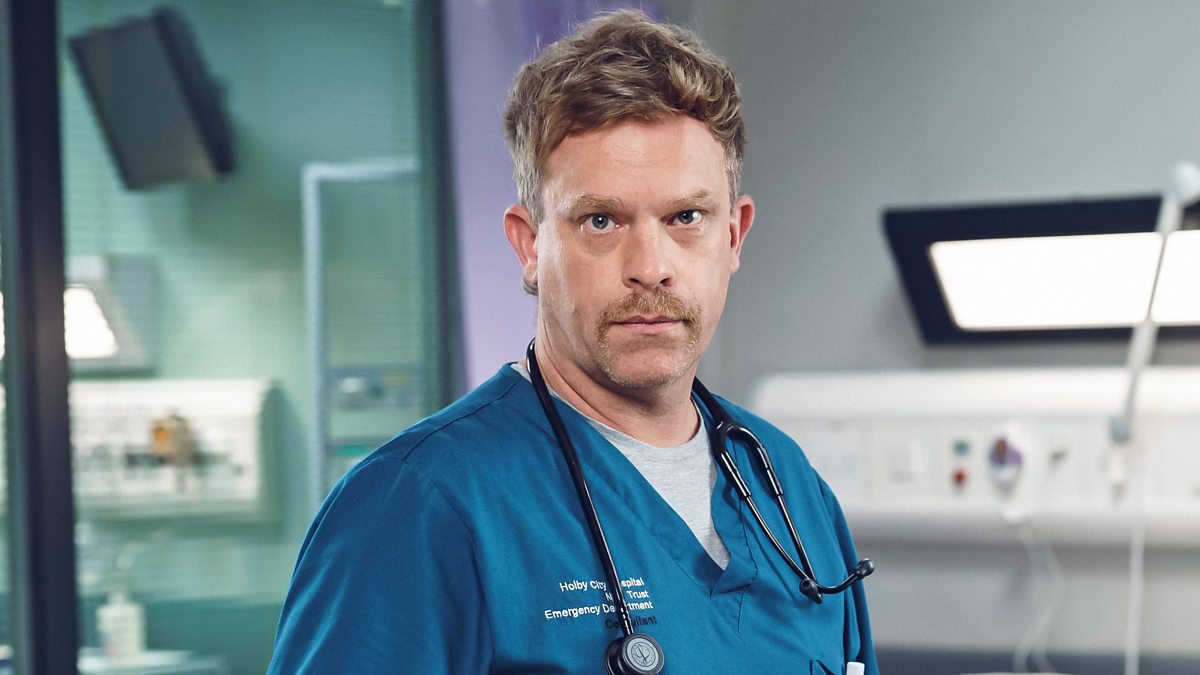
Ultimately, Dylan’s trauma therapy could prove to be far more than a personal journey—it could become the key to unlocking the darkest secrets of the “Lethal Legacy” storyline. The memories emerging from the depths of his mind may explain events that have never made sense, reveal connections that were hidden in plain sight and force Dylan to confront people or circumstances he would rather leave behind. But the greatest battle may not be against an external enemy. It may be Dylan’s struggle to accept what happened without allowing the past to define the rest of his life. As disturbing memories return, he faces the terrifying possibility that his own history contains answers he never wanted to find. Yet those answers could also provide the power he needs to protect himself and others.
The drama becomes particularly intense because every revelation carries two possibilities: it could finally set Dylan free, or it could pull him deeper into danger. His medical expertise may help him understand trauma, but experiencing it personally is something no textbook could prepare him for. As the pieces begin falling into place, viewers can expect the emotional stakes to rise alongside the mystery. Dylan may have entered therapy hoping to heal old wounds, only to discover that the past is still alive and capable of reaching into the present. The truth waiting for him could be painful, frightening and potentially lethal. But if Dylan can face those memories rather than running from them, he may emerge stronger than before. In a storyline filled with secrets, fear and emotional devastation, his journey promises to remind viewers that sometimes the most dangerous ghosts are the ones hidden inside our own memories—and once they finally awaken, there may be no way to put them back to sleep.