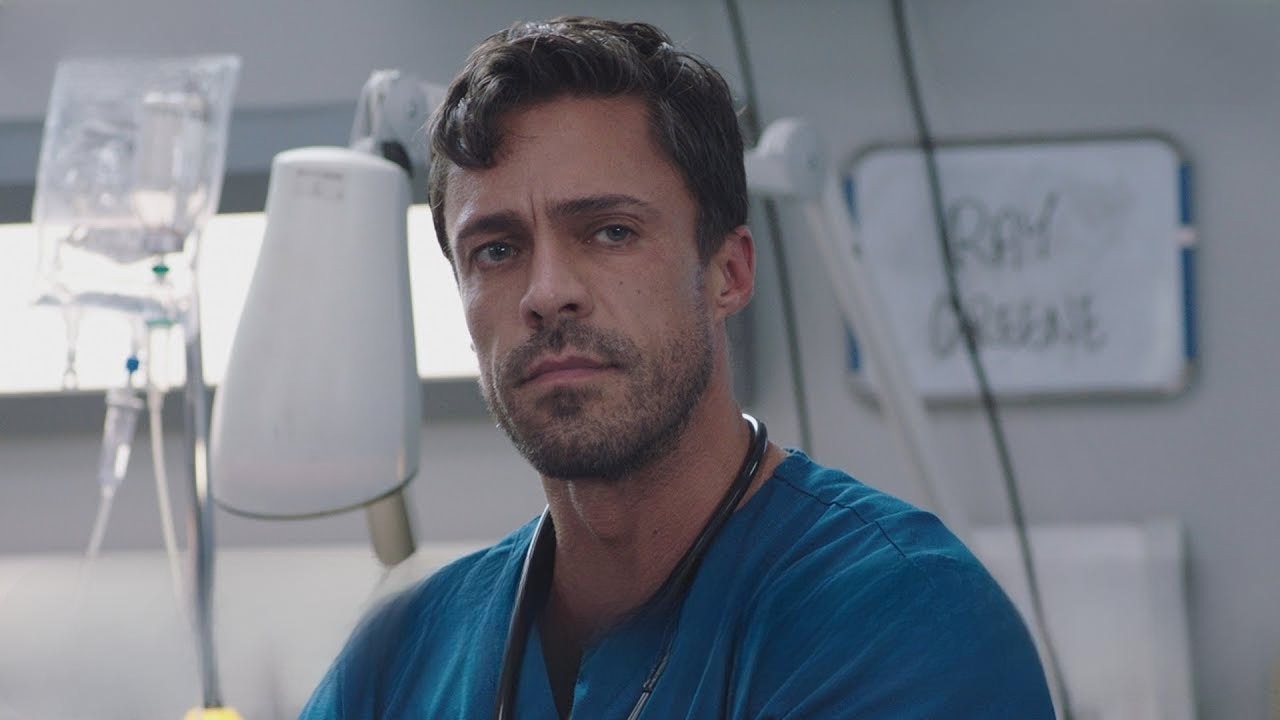
Casualty: Sam Nicholls Faces A Defining Test In Season 26, Episode 10
Casualty has never been afraid to place its characters under extraordinary pressure, and Sam Nicholls is no exception. In Season 26, Episode 10, the long-running BBC medical drama turns the spotlight on Sam, delivering a story that explores the emotional strain of life inside Holby City Hospital and the difficult choices that can follow when professional responsibility collides with personal emotion.
Rather than simply using Sam as another pair of hands in the emergency department, the episode gives the character room to become part of a larger emotional story. As the pressure builds, questions surrounding trust, responsibility and resilience become increasingly important.
For Sam, the challenge is not simply about getting through another difficult shift. It is about discovering how much pressure one person can carry before something finally has to give.
Sam Nicholls Takes Center Stage
At the heart of the episode is Sam Nicholls, whose presence brings a different emotional energy to the unfolding drama.
Working in an emergency department means constantly dealing with situations that demand immediate decisions. There is little time to step back, process emotions or consider the consequences. Patients need treatment, colleagues need support and every decision can carry serious implications.
That environment makes Sam’s story particularly compelling.
The character is forced to operate under circumstances where professional instincts and personal reactions can pull in different directions. It creates the kind of tension that Casualty has consistently used to explore the human side of medicine.
Sam is not simply dealing with what happens in front of them. The character must also deal with what those events mean afterward.
And sometimes, the emotional consequences are more difficult than the medical emergency itself.
The Pressure Of Life Inside Holby City

One of the strengths of Casualty is its ability to show that hospital drama is rarely confined to the treatment room.
Doctors, nurses and other medical professionals may be trained to remain calm during a crisis, but that does not mean they are immune to fear, frustration or doubt. Every patient brings a different story, and every case can leave a mark.
For Sam, those pressures become especially significant as the episode develops.
The demands of the job create an environment where even a seemingly manageable situation can quickly become emotionally overwhelming. A difficult patient, a complicated decision or tension between colleagues can all contribute to a mounting sense of pressure.
That allows the episode to explore something bigger than the immediate storyline: what happens when a healthcare professional has to keep functioning even when they are struggling internally?
When Professional Duty Becomes Personal
Sam’s storyline also highlights one of the most effective themes in medical drama — the conflict between professional duty and personal emotion.
In theory, medical professionals must separate themselves from the people they treat. In reality, that boundary can be much harder to maintain.
Patients are not just medical cases. They are parents, children, partners, friends and individuals facing some of the most frightening moments of their lives.
That reality can make it difficult for characters such as Sam to remain emotionally detached.
The episode uses that tension to deepen Sam’s character. The more emotionally involved the situation becomes, the harder it is to rely purely on professional instincts.
And when a character begins questioning whether they have made the right decision, the consequences can reach far beyond one individual patient.
Relationships Under Strain
As Sam’s story unfolds, the episode also reinforces how closely connected the characters at Holby City are.
Hospital relationships are complicated because colleagues must work together even when personal disagreements remain unresolved. There is no luxury of walking away from a difficult conversation when another emergency is waiting.
That dynamic gives Casualty its distinctive sense of pressure.
For Sam, relationships with colleagues can become just as important as the medical crisis itself. Support can make an impossible situation feel manageable, while conflict can make an already stressful environment even more difficult.
The episode therefore allows the character dynamics to develop naturally alongside the medical story.
What matters is not simply what Sam does, but how other people react to those choices.
The Emotional Cost Of Being Strong
One of the most interesting elements of Sam’s storyline is the question of resilience.
Characters in Casualty are frequently expected to remain strong. They have to make decisions quickly, deal with tragedy and then return to work because another patient is already waiting.
But strength has limits.
The episode suggests that being capable does not mean being unaffected. Sam can perform professionally while still carrying emotional weight beneath the surface.
That contrast creates a more complex portrait of the character.
Instead of presenting Sam as someone who can simply overcome every obstacle, the story allows room for uncertainty and vulnerability. Those qualities make the character more relatable — and make the eventual consequences of the episode feel more meaningful.
A Crisis That Could Change Sam

Episodes like this can have an impact that extends beyond their closing moments.
A difficult experience inside the emergency department can change the way a character approaches future patients, colleagues and personal relationships. Even when the immediate crisis has been resolved, the emotional consequences may remain.
For Sam, the events of Season 26, Episode 10 have the potential to become an important point of reflection.
Will the character become more cautious? More determined? More emotionally guarded?
Or could the experience ultimately strengthen Sam’s understanding of why the job matters?
Those questions give the storyline weight beyond the individual episode.
Why Sam’s Story Matters
What makes Sam Nicholls’ story work is its ability to connect the larger themes of Casualty with one character’s personal journey.
The medical emergencies provide the immediate drama, but the emotional consequences are what keep viewers invested.
Sam represents the human side of the hospital — someone expected to make difficult decisions while dealing with the same uncertainty and emotional pressure that affects everyone else.
That is where Casualty is often at its most effective.
The drama does not simply ask whether a patient will survive. It asks what the experience will do to the people who were there.
The Bigger Impact On Casualty
Season 26, Episode 10 demonstrates why character-driven storytelling remains so important to Casualty.
The hospital may be filled with emergencies, but the most memorable stories often come from the emotional choices made between them.
Sam’s storyline brings together professional pressure, complicated relationships and the psychological consequences of working in an environment where every decision matters.
It also reminds viewers that behind the medical procedures and hospital corridors are characters with their own fears, hopes and limits.
For Sam, the experience becomes more than another day at work. It becomes a test of character.
What Happens Next For Sam Nicholls?
The biggest question following the episode is how Sam will carry these experiences forward.
The immediate crisis may eventually pass, but its impact does not necessarily disappear with it. In a drama like Casualty, today’s difficult decision can become tomorrow’s emotional burden.
Sam’s future therefore remains particularly interesting.
Will the character find a way to turn the experience into renewed confidence, or will it expose vulnerabilities that become increasingly difficult to ignore?
Whatever comes next, Season 26, Episode 10 gives Sam Nicholls a story with genuine emotional stakes.
And that is ultimately what makes Casualty endure: the emergencies may change from week to week, but the human consequences continue long after the hospital doors close.