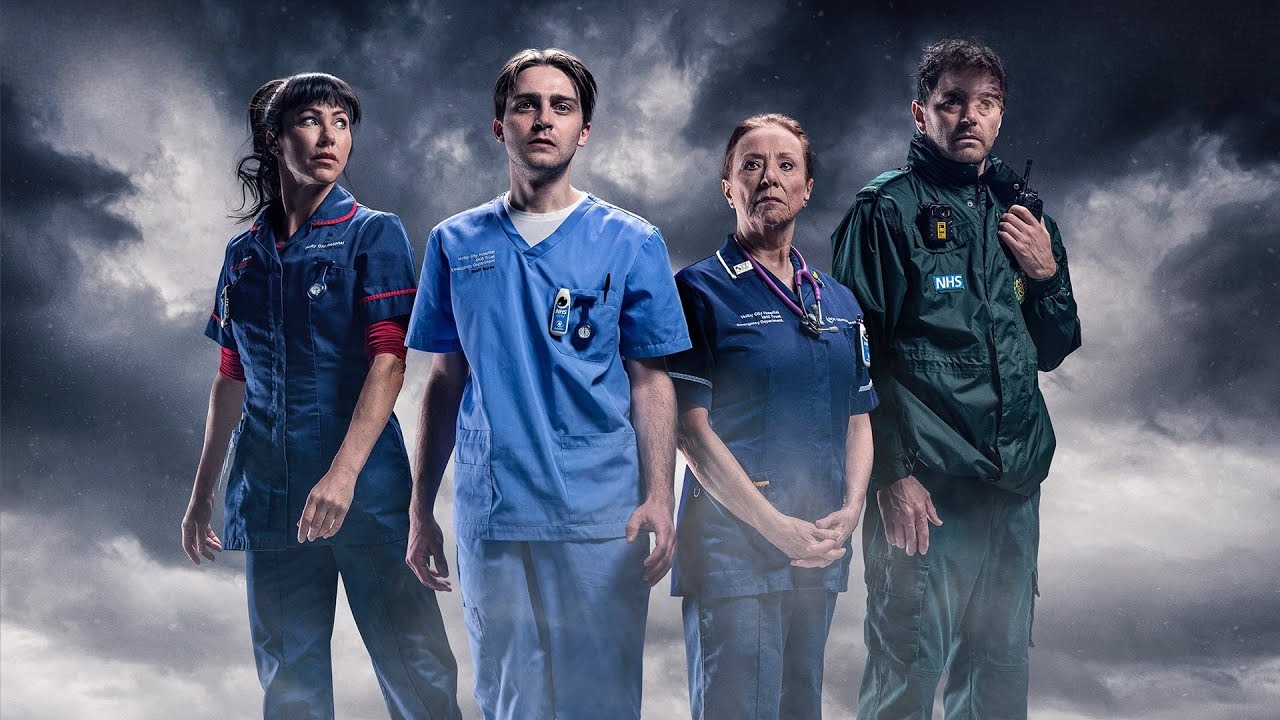
Casualty: Storm Damage Brings A New Wave Of Chaos To The ED
When a storm strikes, the damage is rarely limited to broken buildings and flooded streets. In Casualty, a BBC medical drama known for putting its characters at the center of life-or-death emergencies, extreme weather can become the catalyst for an entirely different kind of crisis.
The trailer for “Storm Damage” promises an episode in which the forces of nature create an immediate threat, pushing the emergency department and its staff into another high-pressure situation. As conditions worsen, familiar routines are disrupted, difficult decisions have to be made and the line between professional responsibility and personal fear becomes increasingly blurred.
For the doctors, nurses and emergency workers at the heart of the drama, the storm is only the beginning. The real consequences may continue long after the weather clears.
A Storm Turns Everything Upside Down

The emergency department is built around preparation. Staff members are trained to respond quickly, prioritize patients and remain calm when circumstances become chaotic.
But a major storm can challenge even the most experienced medical team.
“Storm Damage” places that familiar environment under extraordinary pressure. Severe weather has the potential to create accidents, injuries and unexpected emergencies, while simultaneously making it harder for people to reach medical care.
That combination immediately raises the stakes.
Instead of dealing with one isolated emergency at a time, the hospital could find itself facing a chain reaction of problems. Every new patient brings another story, another decision and another potential complication.
For the staff, there may be no opportunity to slow down.
When The Weather Becomes A Medical Emergency
The most frightening aspect of a storm is its unpredictability.
A situation that initially appears manageable can deteriorate within minutes. A journey that should have been routine can become dangerous. A minor injury can suddenly become something much more serious when help is delayed.
That is where Casualty traditionally finds its strongest drama.
The medical emergencies are important, but the emotional stories surrounding them often carry just as much weight. Patients arrive frightened and vulnerable, while relatives may struggle to understand how quickly their circumstances have changed.
The hospital becomes a place where strangers are forced together by events they cannot control.
And during a storm, that sense of helplessness can become even more intense.
The Staff Face Pressure From Every Direction
For the medical team, remaining professional is easier said than done.
Doctors and nurses may have their own worries about the storm, their families or people waiting for them outside the hospital. Yet once they enter the emergency department, their responsibilities remain the same.
Patients still need treatment.
Decisions still need to be made.
And lives may still depend on those decisions.
That creates one of the episode’s most compelling tensions. The people expected to remain calm are human beings themselves. They can be exhausted, frightened and emotionally overwhelmed, but they cannot simply walk away when the pressure becomes too much.
The storm therefore becomes more than a backdrop. It tests the resilience of the people who are expected to keep everyone else safe.
Personal Problems Could Become Impossible To Ignore
Extreme circumstances have a way of exposing emotions that characters normally manage to keep under control.
A crisis can force people to confront fears they have been avoiding. It can also bring unresolved disagreements back to the surface.
For characters already dealing with complicated personal lives, the storm could make those problems significantly harder to contain.
There is a familiar Casualty dynamic at work here: professional emergencies happen alongside deeply personal struggles. Someone can be trying to save a stranger’s life while simultaneously worrying about what is happening in their own world.
That contrast gives the drama its emotional edge.
The question is not simply whether the staff can survive another difficult shift. It is whether they can continue carrying their personal burdens while performing under extraordinary pressure.
Patients Become Caught In The Chaos

At the center of any Casualty disaster storyline are the patients.
A storm can turn ordinary lives upside down in an instant. People who expected to spend an ordinary day at home or on the road can suddenly find themselves needing emergency treatment.
For those patients, the hospital represents safety.
But even there, nothing is guaranteed.
As more emergencies arrive, medical staff must decide who needs immediate attention and who can safely wait. Those choices can create difficult emotional consequences, particularly when anxious relatives demand answers.
The pressure becomes a balancing act between urgency, limited resources and human compassion.
And when the stakes are this high, even a decision made with the best intentions can have painful consequences.
The Emotional Damage May Outlast The Physical Damage
The title “Storm Damage” carries an obvious meaning, but it also opens the door to a more emotional interpretation.
Buildings can be repaired.
Roads can be cleared.
Power can eventually be restored.
But emotional damage is rarely so easy to fix.
For characters caught in the aftermath, the experience could leave lasting consequences. A frightening emergency may change how someone views their own life. A difficult decision could affect a professional relationship. A near tragedy could force a character to confront just how fragile everything has become.
That is often where Casualty moves beyond disaster drama and becomes character-driven storytelling.
The storm may last for hours.
Its consequences could last much longer.
Teamwork Becomes More Important Than Ever
When circumstances become overwhelming, individual heroics can only go so far.
The emergency department depends on teamwork. Doctors, nurses, paramedics and support staff each have different responsibilities, but during a major crisis those roles have to work together.
Communication becomes essential.
Trust becomes essential.
And mistakes become far more dangerous.
“Storm Damage” provides an opportunity to explore that pressure from multiple perspectives. Experienced members of the team may be expected to take charge, while others could find themselves facing situations they have never encountered before.
For everyone involved, the storm becomes a test of whether they can function as a unit when normal procedures are pushed to their limits.
A Crisis That Could Change Relationships
Disaster stories are rarely only about physical survival.
They can also change relationships.
People may reveal unexpected sides of themselves when placed under pressure. Someone who appears confident could suddenly show vulnerability. Another character might step forward when everyone else is struggling.
Those moments can have consequences beyond the immediate emergency.
A crisis can strengthen friendships and professional partnerships, but it can also expose weaknesses that were previously hidden. When the danger disappears, characters may have to deal with what they said, what they did and, perhaps most importantly, what they failed to do.
That emotional fallout could become one of the episode’s most significant stories.
Why “Storm Damage” Could Be A Major Casualty Story
What makes a storyline like this particularly effective is the combination of spectacle and emotion.
The storm provides the immediate danger, but the characters provide the reason audiences care.
Viewers are not simply watching people react to bad weather. They are watching medical professionals attempt to protect vulnerable patients while managing their own fears, responsibilities and relationships.
That gives the episode several layers of tension.
There is the obvious question of who will be injured.
Then there is the question of who will be pushed too far.
And beyond that lies the bigger question: what happens after the storm has passed?
What Happens Next?
The trailer for “Storm Damage” sets up a tense chapter for Casualty, with extreme weather threatening to overwhelm the normal rhythm of the emergency department.
But the greatest impact may not come from the storm itself.
It may come from the choices characters are forced to make while the crisis unfolds.
Some patients could leave the hospital changed forever. Relationships could be tested. Professional boundaries could be pushed to their limits. And for the staff who spend their lives responding to emergencies, the experience could remind them that there are some disasters no amount of preparation can completely prevent.
When the skies finally clear, the damage may still be there.
And in Casualty, surviving the emergency has never necessarily meant escaping the consequences.