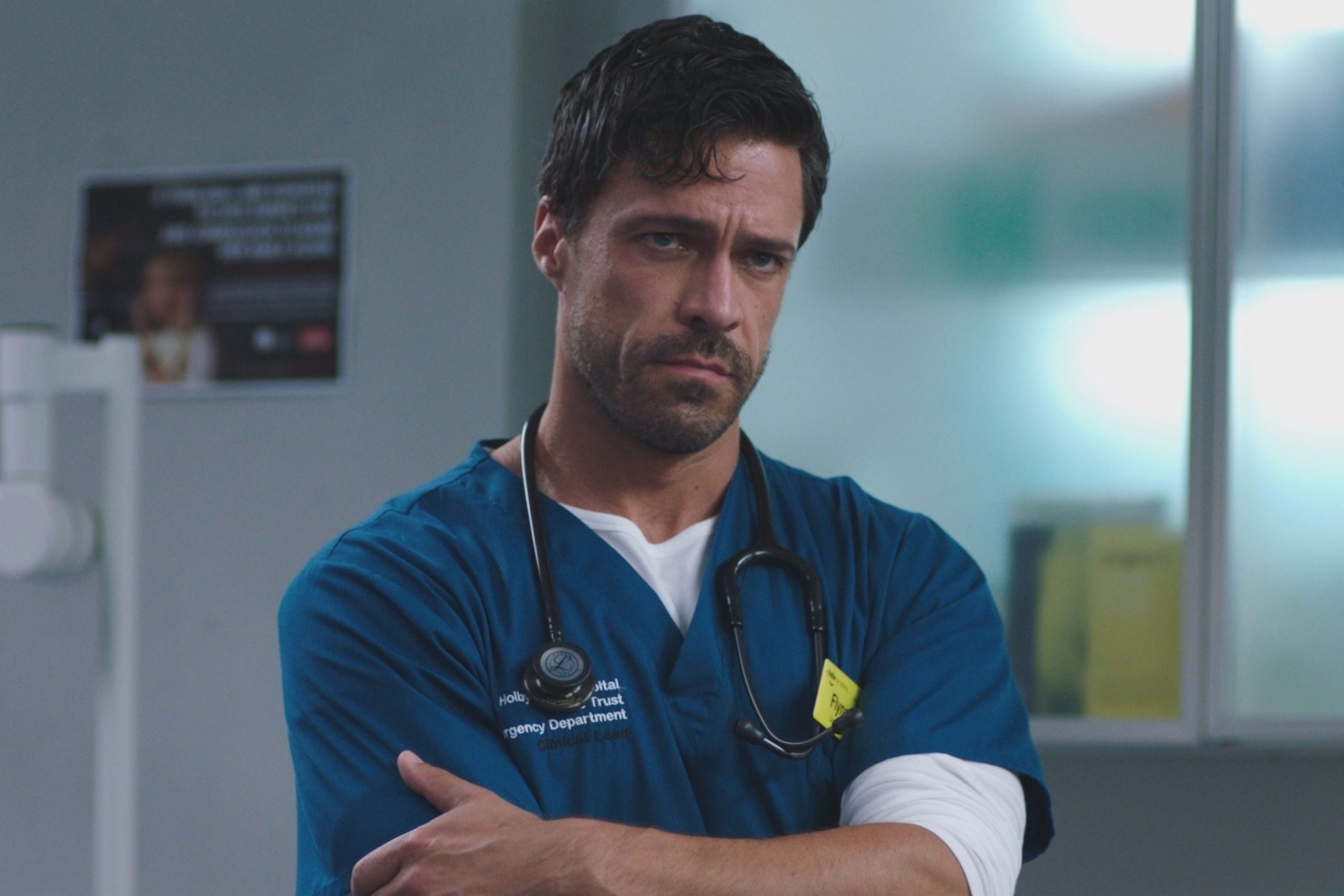
A routine journey turns into a nightmare when a young boy finds himself behind the wheel of a car that suddenly plunges into a river in a shocking Casualty storyline that promises fear, desperation and a race against time. For the emergency department staff, few calls are more terrifying than reports of a vehicle disappearing beneath the water, because every second can mean the difference between life and death. Casualty has always excelled at turning ordinary moments into devastating medical emergencies, and a river rescue gives the series the perfect setting for a tense, emotionally charged drama. As the alarm is raised, the question becomes brutally simple: is anyone trapped inside, and can the emergency teams reach them before the water wins? The danger is not limited to the initial impact. Cold water, rapidly rising panic, injuries sustained in the crash and the possibility of being trapped inside a sinking vehicle create a terrifying chain reaction. A person submerged in cold water can deteriorate frighteningly quickly, making the rescue itself only the beginning of the battle. Casualty has repeatedly used road accidents and water emergencies to place its characters under extraordinary pressure, including past storylines involving vehicles entering rivers and patients needing urgent rescue. One historical episode, for example, featured Josh rescuing a boy after his father’s car rolled into a river. This latest scenario, however, carries an especially disturbing emotional weight because the driver is so young. Instead of being a distant tragedy witnessed by strangers, the incident becomes a story about a vulnerable child suddenly facing consequences far beyond his understanding. As the vehicle disappears into the water, the people arriving at the scene know they cannot afford hesitation. Somewhere beneath the surface, a life may be hanging on by seconds, and the smallest mistake could turn a rescue into a devastating loss.
What makes the storyline even more gripping is the mystery surrounding how the boy ended up driving the car into the river in the first place. Was it a terrible accident caused by a moment of confusion, or was there something happening beforehand that nobody understood? Casualty thrives on these unanswered questions because the medical emergency often exposes a much deeper personal crisis. The boy may initially appear to be the person responsible, but as the story unfolds, viewers could discover that he was frightened, pressured or placed in an impossible situation. That distinction matters because the aftermath will not simply involve treating physical injuries. Police questions, family guilt and emotional trauma could follow long after the water has been drained from the vehicle. For the medical team, however, there is no time to judge. Their priority is survival. The moment the call comes through, paramedics and emergency responders would have to assess the dangers surrounding the river, determine whether the vehicle is accessible and coordinate a rescue under extremely difficult conditions. Even once the boy is brought to safety, the medical team could face complications associated with immersion, trauma and shock. Casualty has frequently shown how quickly an apparently survivable accident can become a medical crisis. In an earlier storyline, a submerged-car rescue involved a young girl who had been underwater for several minutes, with the emergency team desperately trying to stabilise her after she was brought out. The script highlighted the terrifying effects of cold water and the frantic efforts to restore her condition. That kind of realism is precisely what makes a river accident so powerful on screen. The audience knows that the rescue does not end when someone is pulled from the water. The real fight may only be beginning. And for the boy at the centre of this story, waking up in the emergency department could bring a second wave of terror when he realises what has happened and understands that his family, rescuers and doctors are all fighting to keep him alive.
The emotional consequences could be just as devastating as the physical injuries. Imagine the moment the boy’s family arrives at the hospital and sees the emergency department mobilised around him. They may have spent agonising minutes wondering whether he was alive, and now they must wait for doctors to reveal the extent of his injuries. That waiting can be unbearable, especially when nobody knows exactly what happened before the car entered the river. Questions will inevitably follow. Why was the boy in the car? Who was supposed to be responsible for him? Could the accident have been prevented? And most painfully of all, did someone miss a warning sign? Casualty often turns medical emergencies into examinations of family relationships, and this storyline could expose tensions that were already simmering beneath the surface. A parent might blame themselves. Another relative could insist that the accident was unavoidable. The boy himself might struggle with guilt, believing that everything is his fault even if circumstances were far more complicated. Meanwhile, the medical staff could find themselves emotionally invested in his survival. For the doctors and nurses, saving a patient is their professional responsibility, but repeated exposure to tragedy does not make the human consequences disappear. A successful rescue can bring enormous relief, yet it can also leave everyone shaken. The boy may eventually regain consciousness only to discover that his life has changed forever. He may have physical injuries requiring months of recovery, but the psychological impact could last much longer. Nightmares, fear of water, panic around cars and overwhelming guilt could become part of his future. That is where Casualty can make the story particularly heartbreaking: the dramatic river rescue may be only one chapter in a much longer journey of recovery.
And while the boy fights for his life, the rescuers themselves could be pushed to their limits. A submerged vehicle presents a dangerous and unpredictable environment, meaning every person involved must balance the desperate need to save a life with the risks of entering the water. The tension could build as rescuers struggle against time, visibility and the rapidly deteriorating conditions around the vehicle. On the riverbank, loved ones may be screaming for answers while emergency workers remain focused on the task in front of them. Inside the emergency department, the atmosphere could become equally frantic once the boy arrives. One doctor may concentrate on his breathing, another on possible injuries, while nurses prepare equipment and monitor every change in his condition. Such scenes are where Casualty’s emotional power often reaches its peak because the medical language and clinical urgency exist alongside raw human fear. The audience is not simply watching a procedure; they are watching a family waiting to learn whether their child will survive. And there could be another twist waiting beneath the surface. The circumstances of the crash may eventually reveal information that changes everything. Perhaps the boy was trying to escape a frightening situation. Perhaps someone else was responsible for leaving him near the vehicle. Or perhaps the entire tragedy began with a seemingly harmless decision that spiralled catastrophically out of control. Until those answers emerge, everyone involved is left confronting the same haunting question: how could an ordinary moment have ended with a car at the bottom of a river?
Ultimately, the river crash promises to be more than another spectacular emergency for Casualty. It is a story about vulnerability, responsibility and the terrifying speed with which life can change. A young boy driving a car into a river creates an instantly shocking image, but the true drama lies in what happens after the vehicle disappears beneath the surface. Will the rescuers reach him in time? Will the doctors be able to overcome the injuries caused by the crash and immersion? And when the immediate danger passes, will the boy and his family ever be able to recover emotionally from what happened? Casualty has a long tradition of placing its characters in situations where survival comes down to seconds, and its history includes dramatic river and submerged-car emergencies that demonstrate just how devastating these incidents can become. This storyline has all the ingredients for a gripping episode: a frightening accident, a vulnerable young patient, desperate rescuers, worried relatives and unanswered questions that could continue long after the ambulance doors close. The most heartbreaking possibility is that even a successful rescue may not mean everything returns to normal. Surviving the river could be only the first battle. The boy may have to confront fear, guilt and memories that refuse to disappear, while his family faces difficult questions about how the accident happened. For the medical team, meanwhile, the case could become one they remember long after the shift ends. In Casualty, the most powerful stories are often those where the emergency itself lasts only minutes but the consequences last for years. As the water closes over the car and the race to save the boy begins, viewers are left with one terrifying thought: sometimes the difference between tragedy and survival is measured not in hours, but in seconds.
Boy Drives Car Into A River! | Casualty