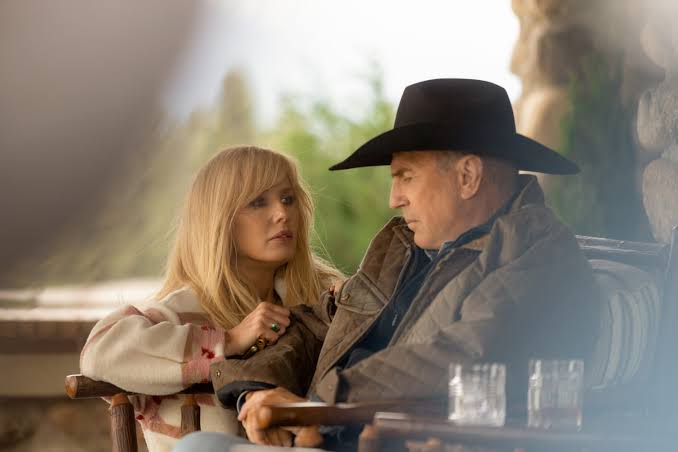
From the moment Taylor Sheridan first mapped out the dusty, blood-stained borders of the Yellowstone Dutton Ranch, the narrative rested on a singular, fierce premise: one family’s uncompromising stand to protect its land against the encroaching tide of modern civilization.
For years, the flagship Yellowstone series operated as a high-stakes family tragedy—a sprawling, contemporary Shakespearean drama centered on Kevin Costner’s formidable patriarch, John Dutton, and his volatile adult children, Beth and Jamie.
It was a storytelling model defined by tight bloodlines, insular loyalty, and an unshakeable belief that the dirt belonged exclusively to those who bore the Dutton surname.
However, as the franchise transitioned into its high-profile expansion series, Dutton Ranch, a subtle yet profound narrative evolution began to take shape.
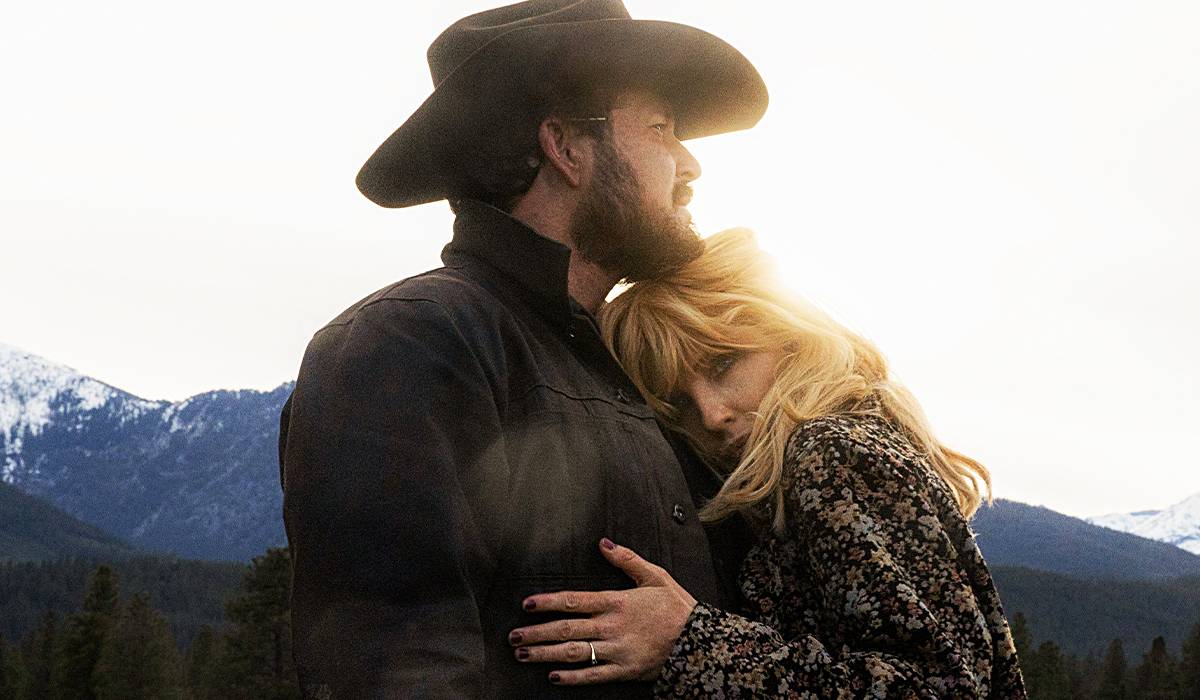
Season 1 demonstrated that the high country is no longer merely a backdrop for individual family warfare. Through the fierce stewardship of Beth Dutton (Kelly Reilly) and Rip Wheeler (Cole Hauser), alongside a vibrant, expanded focus on the branded cowhands, local reservation leaders, and regional allies, the ranch began to transcend its original owners. It became a living, breathing ecosystem—a symbol of survival, labor, and heritage that belongs to an entire community of people who bleed for it daily.
Now, as production moves forward on Season 2, television analysts and dedicated fans are confronting an exciting narrative question: Could the upcoming season formally transform Dutton Ranch from a focused family spin-off into a grand, multi-generational American Western saga?
Moving Beyond the Bloodline: The Bunkhouse as a Cultural Pillar
The most significant evidence of Dutton Ranch’s expanding canvas lies in its elevated treatment of the branded cowhands—the loyal, battle-scarred men and women who inhabit the bunkhouse.
In the early days of the original series, the bunkhouse served primarily as comedic relief or as a pool of anonymous, branded enforcers executing dangerous orders in the dead of night. Over time, however, characters like Lloyd, Colby, Ryan, Teeter, and Walker evolved into the emotional heart of the franchise. They represent the blue-collar, working-class reality of the American West—men and women who own no land on paper, yet give their youth, health, and souls to the soil.
Season 2 has an unprecedented opportunity to complete this transformation:
-
The Shared Ownership of Labor: By shifting narrative focus onto the daily sacrifices, personal dreams, and unspoken brotherhood of the cowhands, Dutton Ranch stops being a story about elite land barons and becomes a story about the working hands who keep the West alive.
-
The Next Generation of Branded Hands: As new, younger ranch hands enter the fold, the series explores how the iconic “brand” transitions from a mark of secretive servitude into a profound, shared covenant of protection and survival.
-
Diversifying the Western Perspective: Elevating secondary characters allows the show to explore diverse human backgrounds, giving voice to forgotten corners of modern rural America that traditional Hollywood Westerns routinely overlooked.
The Sovereign Partnership: Bridging Broken Rock and Big Sky

A true Western saga cannot exist in a vacuum; it must grapple authentically with the complex, historically charged intersection of sovereign tribal land, federal policy, and private ranching interests.
One of the greatest achievements of Season 1 was its deliberate effort to move past the historical friction between the ranch and the Broken Rock Reservation, laying the groundwork for a pragmatic, high-stakes alliance. Chairman Thomas Rainwater (Gil Birmingham) and Mo (Moses Brings Plenty) are no longer framed as mere ideological opponents to the ranch; they are co-guardians of the region’s natural future.
In Season 2, elevating this dynamic is essential to achieving true epic scale:
-
A United Front Against Corporate Extraction: As massive energy conglomerates, private equity firms, and federal developers target the region, the survival of both the Dutton land and sovereign tribal territory depends on a unified, cross-cultural front.
-
Honoring Ancestral Heritage: Integrating Diné and Lakota cultural perspectives, land ethics, and sovereign law into the core storyline elevates the series from a standard land dispute into a profound, philosophical dialogue about human stewardship of the natural world.
-
Complex Moral Coalitions: Showing Beth Dutton and Rip Wheeler working alongside tribal leaders demonstrates that preserving the high country requires transcending insular family pride in favor of broader community survival.
Subverting the Traditional Western Mythos

Classic 20th-century Hollywood Westerns often relied on simplified, black-and-white archetypes: clear-cut heroes riding white horses, villainous land-grabbers, and static frontier towns.
What makes Taylor Sheridan’s modern universe so compelling—and what positions Dutton Ranch Season 2 for true epic status—is its relentless commitment to moral complexity.
A true saga does not shy away from the dark, uncomfortable realities of its world. In Season 2, the series must confront the heavy psychological and legal fallout of the ranch’s violent past. The canyon known as the “train station,” the moral compromises made in boardroom negotiations, and the physical toll of a hard-scrabble life on horseback all contribute to a grounded, unflinching portrait of contemporary frontier existence.
By allowing its characters to make devastating mistakes, mourn irreplaceable losses, and adapt to a rapidly changing 21st-century economic landscape, Dutton Ranch mirrors the great historical sagas of American literature—where triumph and tragedy are forever intertwined.
The Arrival of New Titans and Broader Horizons
The scale of a television saga is also measured by the caliber of its world-building and the formidable forces introduced to challenge the status quo.
With major industry titans joining the canvas—including heavyweights like four-time Oscar nominee Ed Harris—Season 2 signals a dramatic expansion of the show’s intellectual and political scope. The arrival of new regional players, seasoned land barons, and high-stakes corporate strategists ensures that the battles fought in Season 2 will reverberate far beyond a single county line.
This broader horizon forces characters like Beth and Rip to evolve from regional fighters into national strategists. They are no longer simply guarding a front gate; they are defending an entire way of life against global economic forces.
The Horizon of a Television Masterpiece
Paramount’s Dutton Ranch stands at a historic creative crossroads. It has already proven that it can captivate millions of global viewers through intense character drama, stunning cinematic photography, and authentic ranching realism.
Yet, as the story opens its doors wider to embrace the bunkhouse, the reservation, new regional titans, and the changing soul of the American West, it has the rare opportunity to become something far greater than a popular spin-off.
Season 2 can formally cement Dutton Ranch as a definitive, multi-perspective American saga—a sweeping television masterpiece that proves the high country doesn’t belong to a single family, but to every soul brave enough to stand, bleed, and ride beneath its endless sky.