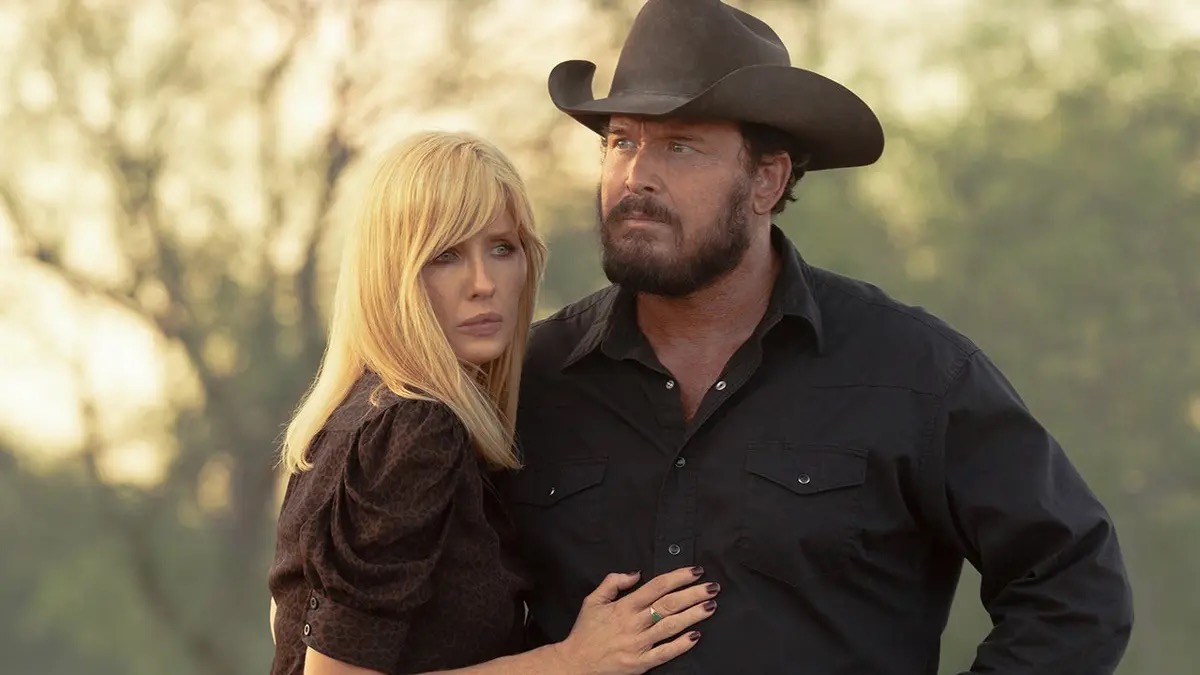
In the high-stakes realm of modern television, few creative architects wield as much singular influence as Taylor Sheridan.
From the explosive success of Yellowstone to its intricate web of historical prequels like 1883 and 1923, Sheridan built a television empire by defying traditional network rules, embracing rugged high-country realism, and trusting his audience’s appetite for complex, morally grey stories.

As the franchise steps into its next major chapter with Dutton Ranch, expectations among fans and industry insiders have reached a fever pitch. Following a tumultuous first season marked by behind-the-scenes adjustments, creative shifts, and a dramatic narrative pivot that relocated core characters like Rip Wheeler (Cole Hauser) and Beth Dutton (Kelly Reilly) to South Texas, the stage was set for an expansive continuation.
However, as production ramps up and executive decisions settle, a clear message is reverberating throughout Hollywood: Dutton Ranch Season 2 is preparing for a massive, structural overhaul.
Taylor Sheridan is officially making his move.
From fundamental changes in creative leadership to a stark shift in visual tone and narrative focus, the upcoming season promises to strip away early transitional friction and deliver a bold, recalibrated vision that could redefine the future of the entire Western television landscape.
The Showrunner Shift: Recalibrating the Engine
The most significant signal that Season 2 will look and feel radically different lies behind the camera. Following the departure of initial showrunner Chad Feehan, acclaimed writer and producer Benjamin Cavell has stepped into the showrunner chair to steer the ship alongside Sheridan.
This executive shift represents far more than a routine change in credits; it marks a deliberate recalibration of the show’s narrative priorities.
While the debut season of Dutton Ranch bore the heavy burden of bridging the gap after Yellowstone—spending considerable screen time establishing new locations, resolving lingering plotlines, and settling its lead characters into foreign territory—Season 2 under Cavell and Sheridan is shedding that transitional weight.
Cavell, known for his work on high-intensity, character-driven dramas like SEAL Team and JUSTIFIED, brings a razor-sharp focus on pacing, tactical tension, and grounded interpersonal conflict. His arrival signals a move away from sprawling, exposition-heavy setup and a sharp turn toward lean, relentless storytelling that plunges its characters directly into high-stakes conflict from the opening frame.
Leaving the Shadow of Paradise Valley Behind
When Rip Wheeler and Beth Dutton packed their bags and departed Montana for South Texas, casual viewers viewed it as a temporary change of scenery. Many assumed the show would eventually find a way to drag its lead characters back to the comforting, familiar backdrop of the original lodge in Paradise Valley.
Season 2 is set to permanently shatter that safety net.
Sheridan’s vision for the offshoot relies heavily on environmental culture shock. Transporting characters forged in the cold, high-altitude mountains of Montana into the unforgiving, sun-baked expanses of South Texas alters every physical and psychological dynamic on screen.
As Cole Hauser famously noted during production discussions, thrusting Rip and Beth into Texas is “like going to the moon for these characters.” They no longer possess the deep political connections, local law enforcement cover, or generational territorial dominance that protected them in Montana. In Texas, they are outsiders standing on unfamiliar turf, forced to navigate alien land markets, entrenched local ranching dynasties, and new cultural codes.
By leaning fully into this Texas setting rather than treating it as a brief pitstop, Season 2 is effectively stripping Rip and Beth of their home-field advantage. The shift forces the narrative to transform from a defensive story about holding onto an existing estate into a hungry, aggressive survival story about carving out a new kingdom from scratch.
A Star-Studded Cast Expansion and Escalating Stakes
A Taylor Sheridan production is defined by the caliber of its ensemble, and Season 2 is expanding its roster with heavy-hitting Hollywood talent that elevates the show’s dramatic weight.

The addition of legendary, four-time Academy Award nominee Annette Bening brings an entirely new dimension of power to the narrative. Bening’s inclusion signals that the conflicts facing Rip and Beth will extend far beyond typical range wars or physical altercations. Her character introduces a sophisticated, institutional form of influence—operating at the intersection of high finance, corporate land acquisition, and state politics—that threatens to outmaneuver traditional cowboy tactics.
Furthermore, the expanding ensemble creates a thrilling friction between old-school high-country traditions and modern Texas corporate interests. Instead of relying on formulaic “bad guy of the week” tropes, Season 2 is building a complex network of rivalries where every faction possesses legitimate claims, deep financial backing, and unyielding ambition.
Redefining Rip and Beth: Beyond the Dutton Legacy
For five seasons on the flagship series, Rip Wheeler and Beth Dutton were defined almost entirely by their relationship to patriarch John Dutton (Kevin Costner) and the physical land of the Montana ranch. Rip was the ultimate branded enforcer executing orders; Beth was the corporate predator burning down boardrooms to protect her father’s honor.
Season 2 offers Sheridan the creative freedom to answer an intrigue-filled narrative question: Who are Rip and Beth when they are no longer standing in John Dutton’s shadow?
Deprived of their father’s directives and the historical mandate of the Montana estate, Rip and Beth are forced to confront their own long-term motivations. Their relationship, long romanticized as a battle-tested union forged in shared trauma, faces unprecedented pressure as they attempt to build a life on their own terms.
Rip must learn to lead, negotiate, and establish authority without the legal and physical protection of the Dutton name. Meanwhile, Beth is forced to channel her destructive financial brilliantness into building something sustainable rather than simply tearing down her father’s enemies. This shift transforms their arc from a static defense of the past into an unpredictable journey toward their own independent future.
The Master Strategist at Work

In the world of modern television, standing still is equivalent to narrative death. Lesser creators often fall into the trap of repeating successful formulas until the magic wears off.
Taylor Sheridan’s restructuring of Dutton Ranch for Season 2 demonstrates why he remains one of the most dominant forces in entertainment today. By changing creative leadership, embracing a radical geographic shift, bringing in elite acting talent, and forcing his lead characters to evolve, Sheridan is proactively disrupting his own universe to keep it fresh, dangerous, and vital.
Dutton Ranch Season 2 may look, feel, and move very differently from what fans originally expected. But as Sheridan makes his move, one thing is abundantly clear: the high-stakes battle for survival under the Big Sky—and across the open plains of Texas—is just getting started.