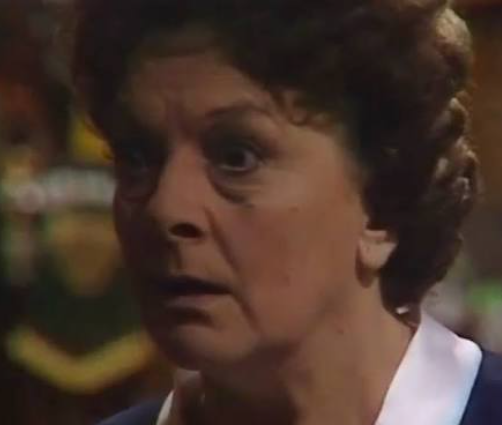
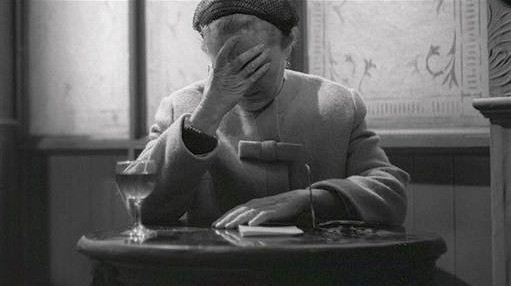
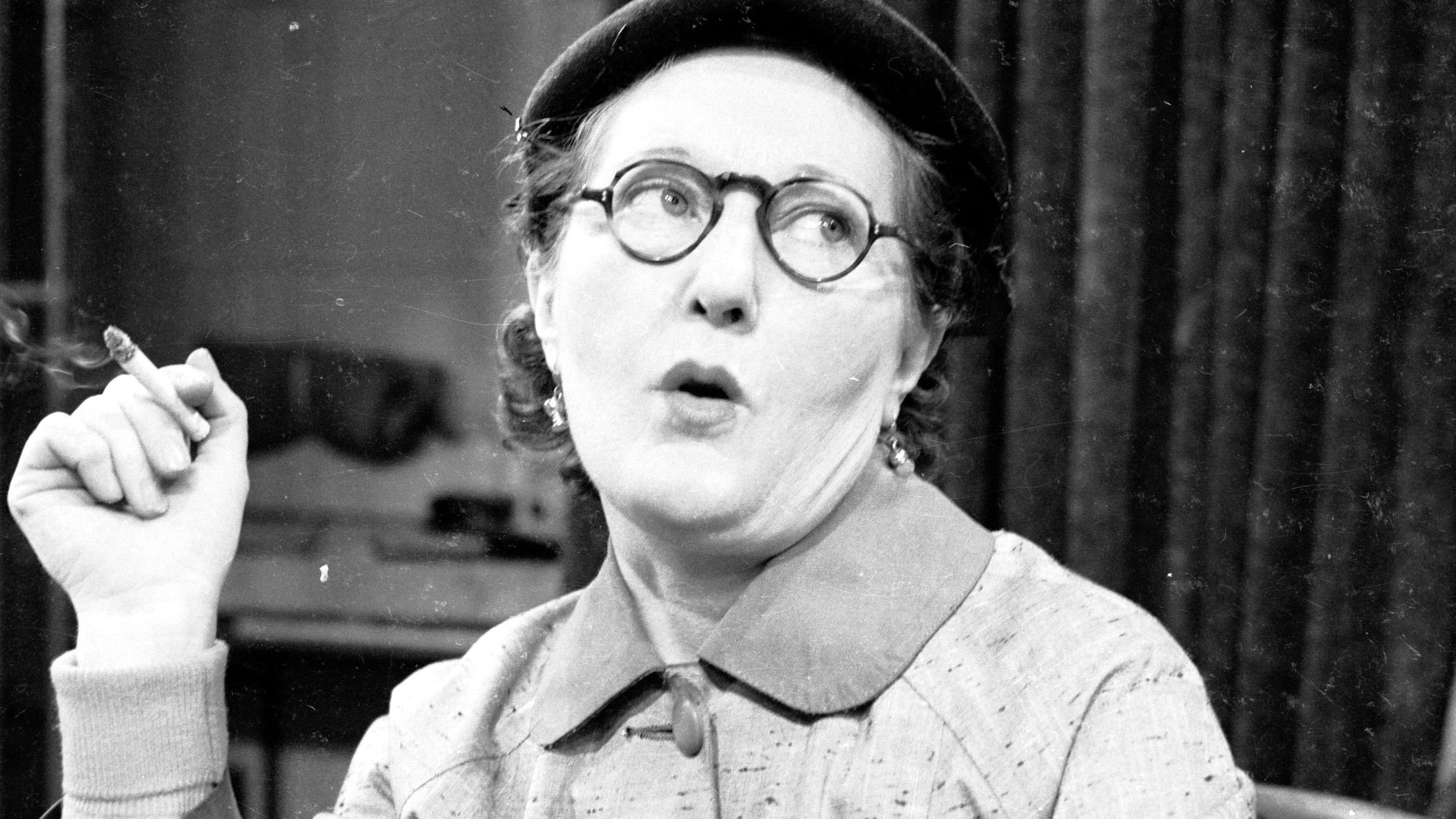
Martha Longhurst remains one of the most haunting figures in Coronation Street history, a character whose warmth, loneliness and heartbreaking final years left an unforgettable mark on the cobbles. Played by Lynne Carol, Martha was one of the original residents of Coronation Street when the soap began in 1960, and she quickly became part of the fabric of the Rovers Return. She was a widow who had already experienced profound loss before viewers met her, yet she possessed a warmth and wit that made her popular with those around her. Alongside Ena Sharples and Minnie Caldwell, Martha formed one of the legendary trio of older women whose conversations and disagreements became an important part of early Coronation Street. Beneath the humor, however, was a woman whose life was increasingly defined by loneliness and disappointment. Martha had spent years serving others, particularly behind the bar at the Rovers, but her own emotional needs were often left unfulfilled. Her friendship with Ena and Minnie gave her companionship, although their relationships were hardly free from conflict. Martha was frequently caught between Ena’s forceful personality and Minnie’s gentler nature, creating some of the show’s most memorable early scenes. Yet as the years passed, the character’s circumstances became increasingly bleak. Martha longed for affection and security, and her romantic history was filled with complications rather than the happy ending she might have hoped for. Her story was ultimately shaped by the harsh reality that life could continue becoming more difficult even for someone surrounded by familiar faces. For viewers watching at the time, Martha represented a generation of working-class women whose lives were often marked by sacrifice, duty and limited choices. Her struggles therefore felt painfully real. She was not a glamorous soap heroine, nor did she expect to be rescued by some extraordinary twist of fate. Instead, Martha was an ordinary woman trying to find happiness in the small spaces available to her. That made her eventual decline all the more devastating. Her final years would reveal just how vulnerable she had become, turning one of Coronation Street’s most familiar faces into the center of an unexpectedly tragic story.
Martha’s emotional life became particularly complicated through her relationship with Ted Farrell, a married man who offered her the affection and companionship she desperately wanted. Their romance was controversial, but it also revealed how deeply Martha craved a meaningful connection after years of living alone. Ted eventually became an important part of her life, and for a time it seemed possible that Martha might finally escape the loneliness that had followed her for so long. Yet their relationship was never simple. Ted was still married, and the circumstances surrounding their romance meant that happiness always came with guilt and uncertainty. Martha’s willingness to accept an imperfect relationship said much about her emotional state. She was not demanding a perfect fairy-tale romance; she simply wanted someone to care about her. That desire made her sympathetic even when her decisions were questionable. As her circumstances changed, Martha’s dependence on Ted and the possibility of a future with him became increasingly important. She could imagine leaving Weatherfield behind and starting again, but fate ultimately intervened. Her dreams of happiness were repeatedly threatened by circumstances beyond her control, and the uncertainty surrounding her future contributed to the sense that she was running out of options. What made the storyline particularly painful was that Martha had spent much of her life giving to other people. She worked hard, offered companionship and remained part of the community, yet she struggled to find someone willing to put her needs first. In many ways, her relationship with Ted represented her last great hope. She had endured widowhood, loneliness and the inevitable changes that came with growing older, and she wanted to believe that love could still arrive unexpectedly. Instead, her romantic hopes became another source of heartbreak. The story also demonstrated the soap’s willingness to portray older characters as people with complicated emotional lives. Martha was not simply a background figure or a comic presence. She wanted love, companionship and a future, and those desires remained powerful regardless of her age. Her relationship with Ted gave her renewed optimism, but it also placed her on a path toward one of the most tragic departures in early Coronation Street history.
The heartbreaking turning point came when Martha’s hopes of leaving Weatherfield were overshadowed by the reality of Ted’s circumstances. She had become increasingly determined to build a new life, but the transition was far from straightforward. Eventually, Martha’s story took her away from the familiar surroundings of the Rovers Return and toward a future that promised uncertainty rather than happiness. Her departure from the Street was emotionally difficult because she had been part of its identity from the very beginning. She had witnessed neighbors come and go, arguments erupt and relationships collapse, making her one of the people who gave the early series its sense of community. Yet perhaps the most painful aspect of her final chapter was the feeling that Martha never truly received the happy ending she deserved. Her relationship with Ted could not erase years of loneliness, and her decision to leave Weatherfield was tinged with sadness. The character’s final scenes were made even more memorable because they were not built around an enormous explosion or sensational crime. Instead, Martha’s tragedy came from ordinary human disappointment. She wanted companionship, but circumstances kept placing obstacles in her way. She wanted security, but the future remained uncertain. She wanted to believe that there was still time to begin again, yet the passage of time seemed to be working against her. That quiet realism made her departure especially powerful. In a soap opera known for dramatic deaths, affairs and scandals, Martha’s story stood out because it captured another kind of tragedy: the tragedy of someone reaching the later stages of life without finding the emotional security she had spent years seeking. Her friendships with Ena and Minnie remained among the defining elements of her time on the Street, and their trio became one of the earliest examples of how Coronation Street could turn ordinary conversations into compelling television. Martha’s absence changed that dynamic permanently. The Rovers and the cobbles continued without her, but the character’s departure left behind an emotional void that could not easily be filled.
The circumstances surrounding Martha’s eventual death made her final chapter even more poignant. After leaving Weatherfield, she continued to struggle with the realities of her situation, and her story ultimately ended away from the Street that had been her home for so long. Martha died in 1964, only a few years after Coronation Street began, and her death marked the end of one of the soap’s original characters. Her passing was particularly significant because she had not simply been another resident; she had been part of the show’s foundation. Modern viewers may be accustomed to characters staying for decades, but Martha’s relatively short run demonstrated how quickly an early character could become deeply important to the audience. Her death also cemented the bittersweet quality of her story. Martha had spent her final years hoping for companionship and a fresh start, yet she never received the kind of lasting happiness that would have transformed her life. For Ena and Minnie, losing their friend meant the end of a relationship that had helped define their own lives. The trio had argued, joked and supported one another, and their friendship reflected the complicated bonds formed by people living in a close-knit community. Martha’s death therefore represented more than the loss of an individual character. It signaled the passing of an era. The original Coronation Street was already beginning to evolve, and characters who had established its identity were gradually being replaced by new faces and new storylines. Yet Martha’s legacy remained. She demonstrated that soap characters could be emotionally complex without needing extravagant plots. Her loneliness was recognizable, her desire for love was universal and her disappointments were painfully human. That emotional authenticity helped make her memorable long after she disappeared from the screen. Even though generations of viewers have come to know Coronation Street through countless different characters, Martha remains part of its historical DNA. She represents the early soap’s ability to find drama in everyday life and to make the struggles of ordinary people feel important.
Ultimately, Martha Longhurst’s tragic final years remain one of the most moving chapters in Coronation Street’s early history because her story was never really about one romance or one departure. It was about a woman searching for companionship after a lifetime of sacrifice and discovering that happiness is not always guaranteed simply because someone desperately wants it. Martha entered Coronation Street as a familiar, warm presence and became one of the central figures of the show’s original community. Her friendship with Ena Sharples and Minnie Caldwell created a legendary partnership, while her complicated relationship with Ted Farrell exposed the vulnerability hidden beneath her humor and confidence. Her dreams of a new life gave her hope, but those dreams ultimately could not protect her from the loneliness and uncertainty that had shaped so much of her existence. When Martha died in 1964, Coronation Street lost one of its original personalities, but the character’s emotional impact survived. Her story remains a reminder that the most powerful soap opera tragedies are not necessarily the loudest ones. Sometimes the deepest heartbreak comes from watching a decent person spend years hoping for something simple—love, companionship, security and a place to belong—and never quite receiving it. Martha’s life on the cobbles was filled with ordinary conversations, friendships, disappointments and fleeting moments of happiness, yet those experiences made her feel remarkably real. She was flawed, lonely and sometimes desperate, but she was also funny, caring and determined to keep going. That combination gave her a humanity that continues to resonate. Long after her final appearance, the memory of Martha helps explain why the earliest years of Coronation Street remain so important to the show’s history. She embodied a world where neighbors knew each other’s business, friendships could survive fierce arguments and personal heartbreak unfolded against the backdrop of everyday life. Her death closed her story, but it did not erase her place in the Street’s history. Martha Longhurst may have had a tragic ending, but she became something more enduring: one of the original characters who helped establish Coronation Street as a place where ordinary lives could produce extraordinary emotion.
Martha Longhurst’s Tragic Final Years After Coronation Street