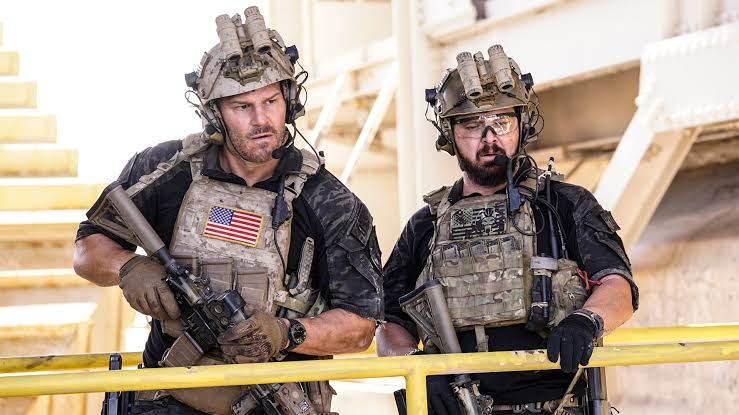
The numbers on Netflix have changed everything. *SEAL Team*’s strong performance on the streamer has created sudden momentum for a Season 8 revival, according to multiple industry sources — and that momentum is colliding with private resistance from several key members of the original cast.
Insiders claim the surge in viewership has prompted fresh conversations at the highest levels about bringing the series back. What began as casual “never say never” comments has escalated into more concrete exploratory talks. The driving force is no longer nostalgia alone. It is data.
“The Netflix numbers are too strong to ignore,” one source familiar with the discussions alleged. “When a completed show starts climbing charts years after it ended, the business case for more episodes becomes very real, very fast.”
The problem, according to those close to the situation, is that not everyone who starred in the series is equally enthusiastic. Private conversations among certain original cast members have revealed hesitation, scheduling conflicts, and in some cases outright reluctance to reopen a chapter they considered finished.
David Boreanaz, who led the series as Jason Hayes, has previously indicated he was done with the physical and mental demands of the role. Sources say that position has not softened simply because the show is performing well on a new platform. Other returning players are said to be weighing family commitments, new projects, and the question of whether a revival would serve the story or simply capitalize on a streaming spike.
Max Thieriot’s potential involvement remains one of the most complicated variables. Any Season 8 built to maximize attention would almost certainly attempt to address Clay Spenser’s absence. That possibility has introduced additional private tension. Some who remained with the show after Thieriot’s exit are reportedly wary of a return that would require rewriting the emotional consequences of Clay’s death.
The result is a growing gap between the commercial incentive and the personal willingness of the people who would have to execute it. Network and streaming executives see an opportunity. Certain cast members see a risk of undermining the ending they already filmed and the lives they have built since.
Sources describe the current phase as delicate. Informal outreach has taken place. Availability questions are being quietly explored. At the same time, private pushback is being registered through representatives and direct conversations. No one is speaking publicly against a revival. Behind the scenes, the temperature is higher than the polished industry comments suggest.
Creative approaches that could minimize the need for full original-cast participation are also under discussion. A limited event season, a time jump, or a story focused on a smaller core of returning players have all been mentioned as possible ways to move forward even if some key actors decline. Those options, however, reduce the very star power that makes a revival commercially attractive.
The Netflix success has created a rare second window for a show that had already concluded. Whether that window stays open will depend on how many of the original players are willing to walk back through it. Right now the business side is pushing forward. The private side, according to those listening to the cast conversations, is far more divided.
If Season 8 happens, it may not look like the reunion many fans are imagining. It may instead reflect a compromise shaped as much by who refuses to return as by who agrees. The streaming numbers opened the door. The original cast still controls whether anyone walks through it.
For now the revival remains unconfirmed and contested. The only clear fact is that *SEAL Team*’s new life on Netflix has forced a conversation many believed was permanently closed — and not everyone is happy it has been reopened.