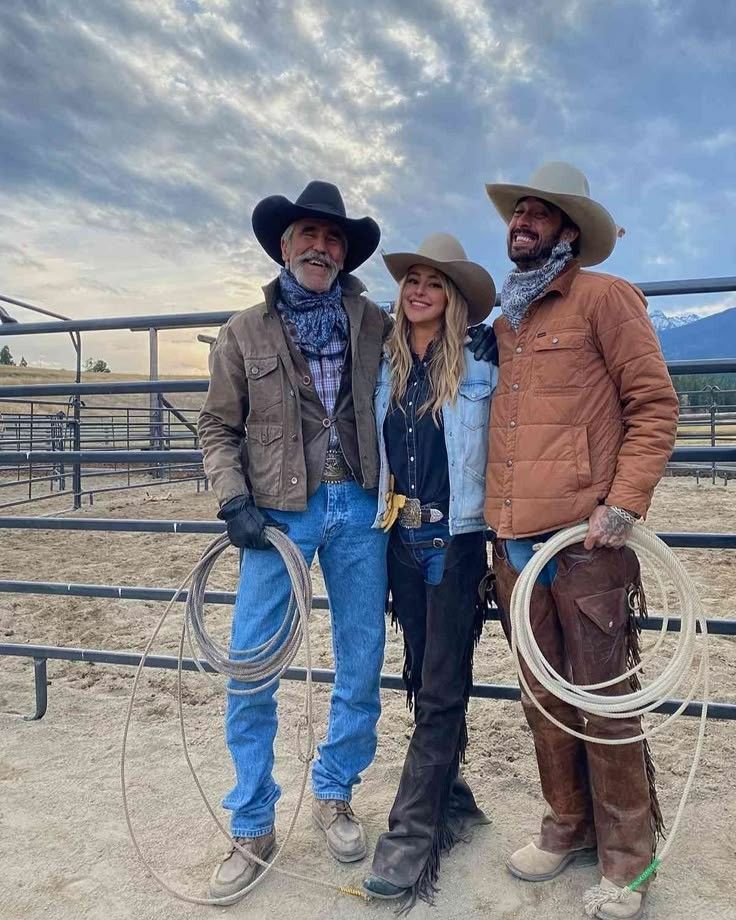
Y: Marshals Season 2 has gradually shifted attention toward Tate Dutton, transforming him from a supporting presence into a character whose choices now carry real narrative weight.
Across recent episodes, Tate has begun to assert a quiet but unmistakable independence that directly challenges Kayce’s assumptions about protection, control, and the future of the Dutton name. The development is not loud or explosive. It is steady, specific, and increasingly difficult for the adults around him to ignore.
The Emergence of Tate’s Own Direction

Earlier seasons positioned Tate primarily as the emotional stake in Kayce’s story — the reason for caution, the source of guilt, the living reminder of what could be lost. Season 2 has begun to reverse that dynamic. Tate now initiates conversations, withholds information, and makes small decisions that place him outside the immediate supervision of both his father and the wider family. These actions are portrayed as natural steps in growing up, yet within the high-pressure world of the Duttons they register as significant.
Brecken Merrill has risen to the expanded role with a performance that balances youthful uncertainty and emerging resolve. The character no longer simply reacts. He observes, evaluates, and occasionally refuses the paths laid out for him.
Kayce’s Recognition and Resistance
Luke Grimes portrays Kayce’s response as a mixture of pride and deep unease. On one level, he recognizes that Tate’s developing independence is healthy. On another, it threatens the protective framework that has defined their relationship for years. The series shows this tension through practical moments: delayed answers, redirected questions, and the visible effort Kayce makes to accept decisions he cannot fully control.
The fear underneath is clear. If Tate continues to move beyond the reach of constant supervision, the dangers that surround the family become harder to manage. Kayce’s professional life has already demonstrated how quickly external threats can arrive. The possibility that his son might face those threats with greater autonomy forces a confrontation with the limits of paternal control.
Beth’s Parallel Influence

Beth Dutton remains an active force in Tate’s environment. Her approach differs from Kayce’s, emphasizing strength, strategic awareness, and the necessity of understanding power. Season 2 has shown her offering Tate forms of guidance that sometimes conflict with the more cautious stance preferred by his father. The result is a subtle competition over influence that the young character must navigate.
Kelly Reilly plays these interactions with her customary sharpness, yet the scenes also allow for moments of unexpected restraint. Beth appears to recognize that overt control may no longer be effective. The adjustment itself becomes part of the season’s exploration of changing family dynamics.
The Marshal World as Both Model and Warning
Kayce’s work continues to shape the context in which Tate is growing up. The boy sees the demands of the job, the emotional toll, and the irregular presence it creates. At the same time, the Marshal environment represents a form of structured authority and purpose that can appear attractive. Season 2 uses this dual aspect to complicate Tate’s emerging choices. The professional world is neither fully rejected nor idealized. It simply exists as one of the realities he must measure himself against.
Supporting characters within the Marshal team occasionally interact with Tate in ways that underscore this complexity. Brief exchanges reveal different attitudes toward duty, risk, and family, giving the young character additional data points as he forms his own views.
A Franchise Preoccupied With Succession
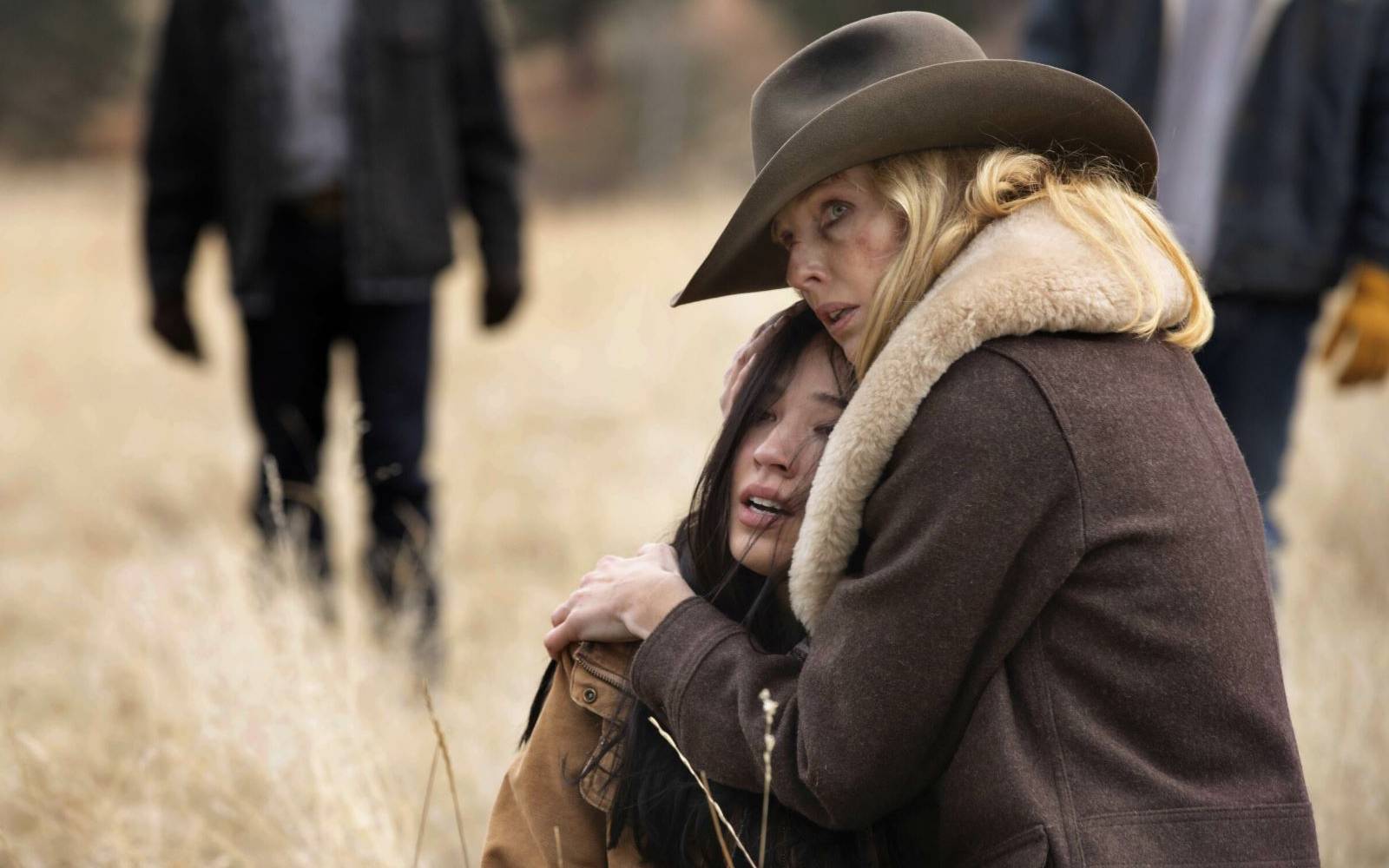
The broader Yellowstone universe has always been concerned with succession — who inherits the land, the name, and the responsibility. Tate’s quiet rebellion fits squarely inside that tradition while updating it for a new generation. Previous cycles of conflict focused on adult power struggles. Season 2 suggests that the next phase may be defined by how the younger generation chooses to engage with, or step away from, those struggles.
This thematic continuity gives the development weight beyond a single character arc. Tate’s movement toward independence becomes a test of whether the Dutton model of intense familial control can adapt or whether it will generate the very distance it seeks to prevent.
Narrative Patience and Credibility
One of the strengths of the current season is its refusal to accelerate Tate’s development into sudden maturity or dramatic declaration. The changes remain incremental. A withheld confidence here, a separate plan there, a refusal to accept a protective arrangement without question. The accumulation of these moments creates credibility. Viewers are allowed to watch a young person testing boundaries rather than being told that a transformation has occurred.
This patience also preserves tension. Because the rebellion is quiet, the adults around Tate can underestimate it until the consequences become harder to reverse.
Visual Language of Separation
The series has begun to frame Tate in ways that emphasize emerging separation. Scenes that once kept him within the same compositional space as Kayce now occasionally place him at a distance or in independent motion. These visual choices are subtle, yet they reinforce the narrative direction. The land that once symbolized shared inheritance now also represents the space in which a new generation might chart a different course.
Possible Trajectories
Several paths remain open. Tate’s independence could lead to greater mutual respect and a healthier relationship with Kayce. It could create lasting friction if the adults respond with increased control. Or it could pull him toward influences — including Beth’s more hard-edged worldview — that reshape his values in ways his father cannot predict. The series has left all three possibilities viable while steadily increasing the probability of meaningful change.
Audience Investment and Emotional Stakes
Fans have long been protective of Tate as a character. His growing agency therefore carries emotional risk. Viewers who want him shielded may resist the direction of the story. Others may welcome the refusal to keep him in permanent narrative childhood. The division itself demonstrates the effectiveness of the writing. A character who provokes strong feelings about his future has become more than a supporting presence.
Broader Implications for the Series
If Tate continues to assert independence, the premise of Y: Marshals will need to accommodate a changing emotional center. Kayce’s motivations have been closely tied to protecting his son. A son who requires less direct protection, or who rejects certain forms of it, forces the lead character to re-examine his own priorities. The professional conflicts of the series will remain, but their personal meaning may shift.
Conclusion
Y: Marshals Season 2 has turned Tate Dutton’s quiet rebellion into one of its most significant developments. By allowing the character to claim small but real forms of autonomy, the series has introduced a new source of tension that cannot be resolved through the usual methods of force or loyalty. Kayce is being compelled to face a future in which his son is not simply a responsibility to be managed but a person with independent direction.
The Dutton legacy has always demanded continuity. Tate’s emerging choices raise the possibility that continuity itself may look different in the next generation. How Kayce, Beth, and the wider family respond will likely determine the emotional direction of the remainder of the season. For now, the quiet rebellion stands as a clear signal that the future of the Dutton name will not be decided by the adults alone.